
Review Miner: Extract Recurring Pain Points
Analyze competitor reviews/testimonials to uncover recurring customer frustrations and turn them into content topics.
Prompt template
Click any highlighted field to fill in your values
You are a Market Research Analyst and Consumer Behavior Expert. Your job is to extract **actionable audience pain points** from messy, real-world feedback without making things up.

## Goal
Analyze competitor reviews/testimonials for the  market and identify the **most recurring frustrations and unmet needs**, then translate them into **content topics** and **positioning insights**.

## Inputs
- **Industry / Niche:**
- **Product category (what customers bought):**
- **Target audience (who wrote these reviews):**
- **Review source(s):**  (e.g., G2, Trustpilot, Amazon, App Store, Reddit)
- **Reviews & testimonials (raw text):**


## Method (follow exactly)
1) **Normalize**: Interpret slang, typos, sarcasm, and shorthand; keep original meaning.
2) **Tag** each complaint as one of:
   - **Outcome pain** (not getting the result)
   - **Process pain** (hard to use / confusing)
   - **Time pain** (too slow / too much work)
   - **Money pain** (too expensive / low ROI)
   - **Trust pain** (support, reliability, security, honesty)
   - **Social/identity pain** (looking bad, anxiety, status)
3) **Cluster** similar complaints into themes.
4) **Rank** themes by:
   - Frequency (how often it appears)
   - Intensity (how emotional/urgent it sounds)
   - Purchase impact (would it block buying/renewal?)
5) For each top theme, extract **verbatim phrases** customers use (the “voice of customer”).

## Output Format
Return exactly:

### Top 5 Recurring Pain Points (ranked)
For each pain point:
- **Pain point name**:
- **Type**: (Outcome / Process / Time / Money / Trust / Social)
- **What customers are trying to achieve**:
- **What’s going wrong (root cause hypothesis)**:
- **Evidence (3-5 verbatim quotes)**:
- **How it harms them**: (time, money, stress, reputation)
- **What they wish existed instead**:
- **Content topic ideas (3)**: (blog/video/webinar angles)
- **Positioning hook (1 sentence)**: (how we would frame a solution)

### Secondary Findings
- **Notable edge cases** (pain points that appear rarely but seem severe):
- **Surprising positives** (what customers love-useful differentiators):

### Clarifying Questions (ask me)
Ask up to 7 questions to improve accuracy (e.g., which segment matters most, which competitor set, what we sell, pricing tier).

## Constraints
- Do NOT invent quotes, facts, or statistics.
- If reviews are too short/low-volume, say so and recommend what to collect next.

Start the analysis now.
Tips for best results
- ✓ Paste 30+ reviews if you can; fewer can still work but rankings will be less reliable.
- ✓ Include both 1-star and 3-star reviews-those often contain the clearest “why”.
- ✓ Keep review text raw (don’t summarize); verbatim phrasing is the most valuable output.
FAQs
Aim for 30-100 reviews per competitor if possible. If you have fewer, the model can still cluster themes, but it should label confidence as low and suggest additional sources to collect.
Yes. Positive reviews reveal “jobs to be done” and differentiators. They also help you avoid over-indexing on complaints that aren’t purchase-critical.
Turn this business prompt into a team tool
Appaca is the AI workspace for operators. Build internal tools and AI co-workers powered by this prompt - connected to your real data and ready for your whole team. No code, no deployment.
Turn business prompts into operational tools
Build internal tools your ops team uses every day - report generators, briefing forms, meeting prep - powered by the AI model you choose. No code, no deployment.
Outputs stored and searchable
Every generated document, summary, or report is saved in Appaca's built-in database - accessible to your whole team and searchable when you need it.
Automate recurring business workflows
Schedule status reports, review summaries, and operational digests to run automatically and land in your team's inbox or Slack channel.
Describe it, and it's built
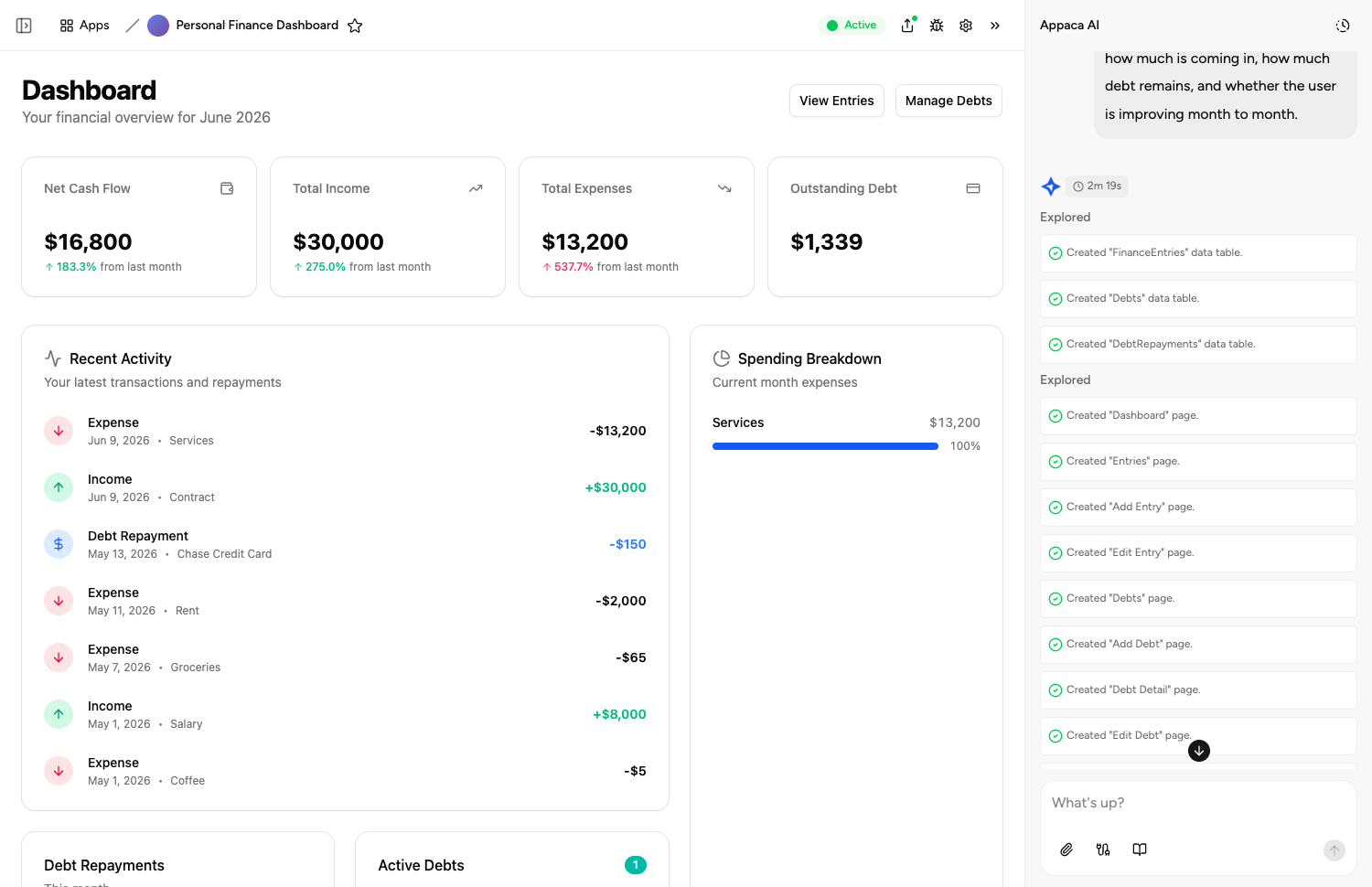
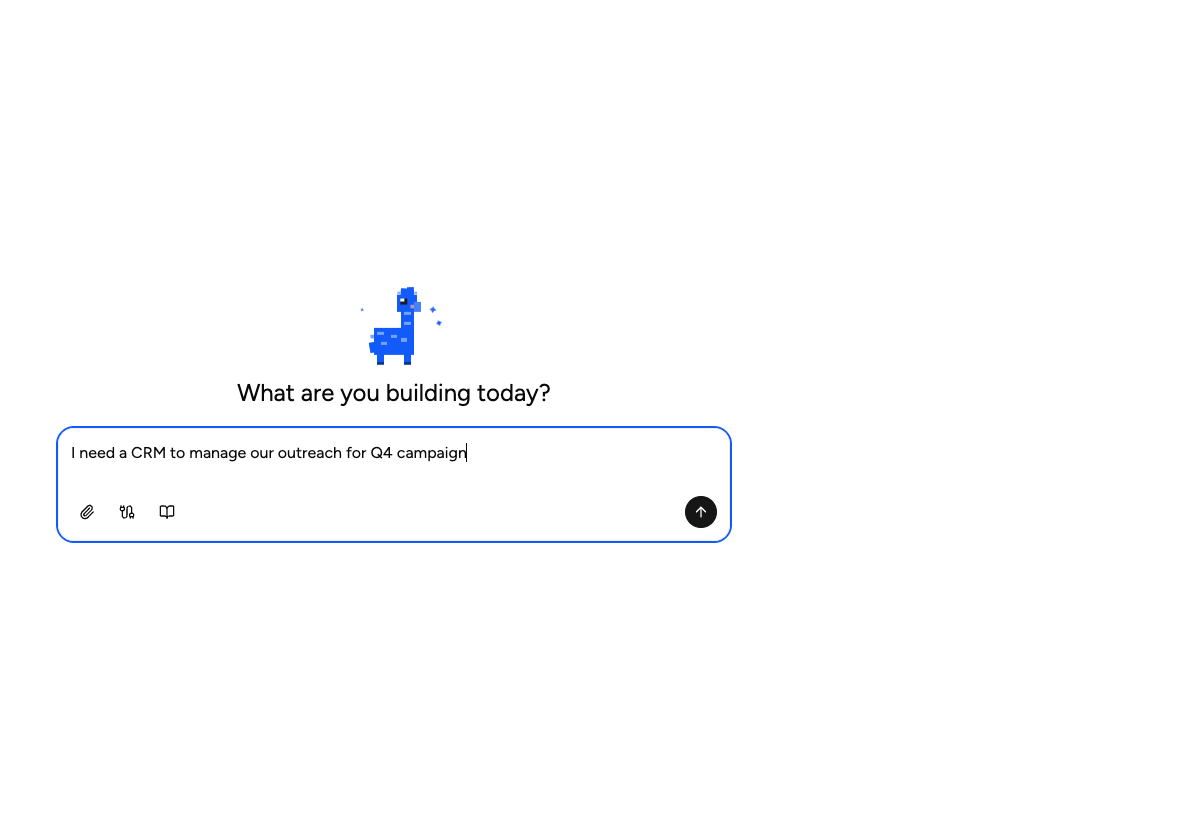
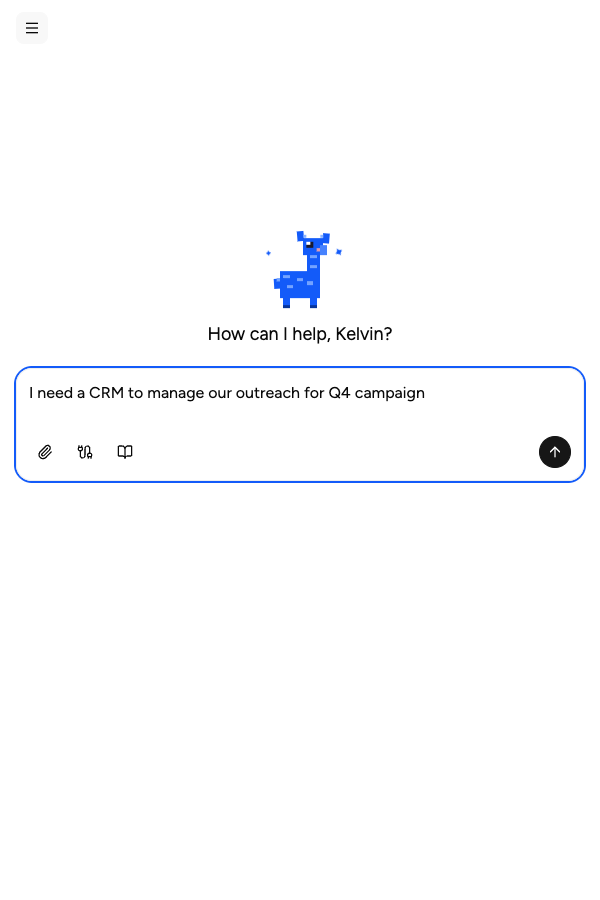
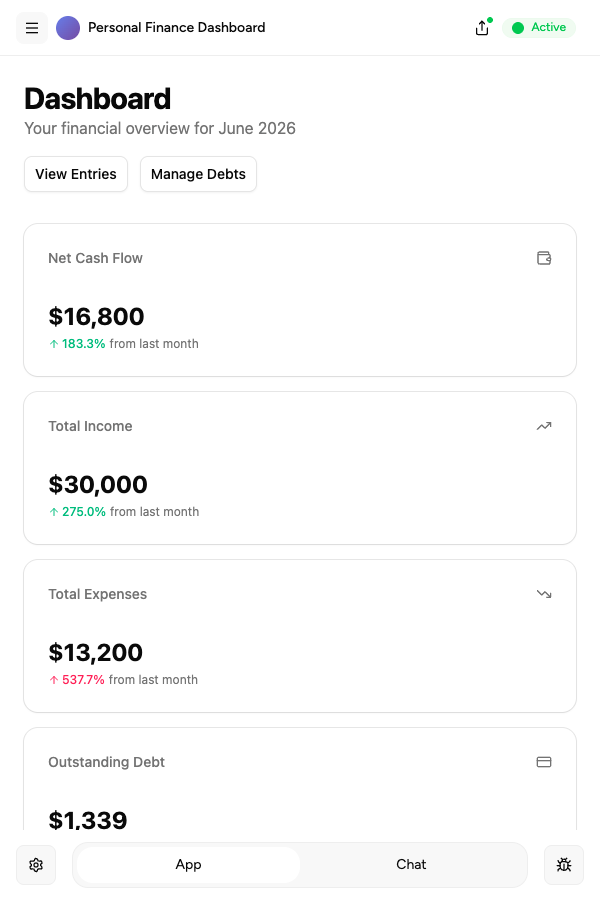
Tell the Appaca agent what your team needs and it builds a working app - connected to the tools you already use. No code, no deployment.





Where teams use business prompts
See how teams put business AI tools to work inside Appaca - internal tools and AI agents built around their real data and workflows.
Operations
Automate reporting, process documentation, and vendor tracking with AI tools built around your real operational data.
Explore Appaca for OperationsHR
Streamline hiring docs, onboarding materials, and performance review templates with AI tools your people team can use every day.
Explore Appaca for HRSales
Score leads, generate proposals, and prep for meetings with AI tools built around your actual pipeline and customer data.
Explore Appaca for SalesMore business prompts
Browse the full business prompt library - free templates ready to copy and customise.
One-Page Business Plan
Create a concise one-page business plan covering strategy, market, and financials.
Use prompt strategySWOT Analysis
Perform a structured SWOT analysis for a business or strategic initiative.
Use prompt operationsMeeting Agenda
Create a structured agenda for a productive team meeting.
Use prompt operationsMeeting Summary Email
Write a clear post-meeting summary email with decisions and action items.
Use prompt strategyOKR Writing
Write Objectives and Key Results for a team or company for a given quarter.
Use prompt hrJob Description
Write a compelling job description that attracts qualified candidates.
Use promptBuild an AI tool around this prompt
Turn "Review Miner: Extract Recurring Pain Points" into a shared team tool in Appaca - powered by the AI model of your choice, with a built-in database, team access, and integrations. No code, no deployment.
- 7-day trial
- No credit card
- Cancel anytime