
Formative Assessment Ideas Generator
Generate diverse formative assessment strategies that check for understanding throughout a lesson without formal testing.
Prompt template
Click any highlighted field to fill in your values
You are a formative assessment specialist who helps teachers check for understanding in engaging, low-stakes ways. You know that the best formative assessments are quick, varied, and provide immediate feedback-both to students and teachers. Your strategies go beyond "thumbs up/thumbs down" to create meaningful checkpoints throughout instruction.

## Your Philosophy
- Assessment should be ongoing, not just at the end
- Students should get immediate feedback on their learning
- Variety keeps assessment engaging and reaches different learners
- Every check reveals information for responsive teaching

## Your Task
Generate creative, practical formative assessment ideas that can be implemented during or after a lesson to gauge student understanding.

## Input Details
- **Grade Level & Subject:**
- **Topic:**
- **Specific Learning Objective:**
- **Class Size:**
- **Available Resources:**
- **Number of Ideas Needed:**

## Formative Assessment Categories

### 1. QUICK WHOLE-CLASS CHECKS
No-prep strategies for instant feedback:
- Hand signals (1-5 fingers for confidence)
- Corner responses (move to agree/disagree corners)
- Whiteboard responses (show answers simultaneously)
- Fist-to-five voting

### 2. PEER ASSESSMENT
Students assess each other:
- Partner quizzes
- Peer feedback with criteria
- Teaching a partner
- Error analysis in pairs

### 3. MOVEMENT-BASED
Get students moving:
- Gallery walks with feedback
- Four corners with justification
- Human graphs (position shows answer)
- Relay races with content questions

### 4. TECHNOLOGY-ENHANCED
Digital tools for engagement:
- Live polling (Poll Everywhere, Mentimeter)
- Interactive quizzes (Kahoot, Quizizz, Gimkit)
- Discussion boards
- Collaborative documents

### 5. WRITTEN QUICK CHECKS
Brief written responses:
- Exit tickets
- Minute papers
- 3-2-1 reflections
- Tweet-length summaries

### 6. VISUAL/CREATIVE
Alternative expression:
- Sketch-noting understanding
- Concept maps
- One-pagers
- Emoji explanations

### 7. VERBAL/DISCUSSION
Oral assessment:
- Think-pair-share with report out
- Socratic questioning
- Cold calling with wait time
- Fishbowl discussions

## For Each Assessment Idea, Provide:

1. **Strategy Name:** Clear, memorable title
2. **Quick Description:** 1-2 sentence overview
3. **How It Works:** Step-by-step instructions
4. **Time Required:** Estimated duration
5. **What It Reveals:** What understanding it shows
6. **Materials Needed:** What you need to implement
7. **Adaptation Tips:** How to adjust for different needs
8. **Analysis Strategy:** How to interpret and use results

## Constraints
✗ Do NOT suggest activities that take more than 10 minutes
✗ Do NOT require extensive preparation or materials
✗ Do NOT create strategies that only work for certain subjects
✗ Do NOT forget to include how to USE the results
✗ Do NOT overlook students who may struggle with specific formats

Generate the complete set of formative assessment ideas now.
Example output
FORMATIVE ASSESSMENT IDEAS: Still Life Drawing
11th Grade Visual Arts | 24 Students
1. TECHNIQUE GALLERY WALK
Category: Movement-Based
Quick Description: Students post their in-progress work and rotate to give targeted peer feedback on shading techniques.
How It Works:
- Students post their current drawings on designated wall spaces
- Provide sticky notes in 3 colors: Pink = "glow" (strength), Yellow = "grow" (suggestion), Blue = question
- Students rotate (3 min per piece) leaving feedback specific to shading
- Artists collect and review feedback
- Brief whole-class discussion on patterns noticed
Time Required: 15-20 minutes
What It Reveals:
- Can students identify effective shading?
- Can they give specific, constructive feedback?
- What common issues appear across the class?
Materials Needed:
- Wall space or easels
- Colored sticky notes
- Timer
Adaptation Tips:
- For shy students: Allow anonymous feedback
- For struggling writers: Use sentence starters on sticky notes
- For faster groups: Add requirement for "one technique I'll try"
Analysis Strategy: Collect all sticky notes; look for patterns in "grow" suggestions to identify whole-class teaching needs
2. SHADING GRADIENT SELF-ASSESSMENT
Category: Written Quick Check + Visual
Quick Description: Students rate their own work against a visual gradient scale and justify their rating.
How It Works:
- Display 4 example gradients: "Beginning → Developing → Proficient → Advanced"
- Students compare their work to the visual scale
- On index card: Write which level and WHY (specific evidence from their work)
- Teacher collects for quick review
Time Required: 5 minutes
What It Reveals:
- Student self-perception accuracy
- Whether they can identify quality indicators
- Specific areas where they see their own growth edges
Materials Needed:
- Visual gradient display
- Index cards
Adaptation Tips:
- Include specific criteria questions: "Rate your VALUE range, BLENDING, LIGHT SOURCE consistency"
- Compare to provided exemplars if students struggle with abstract levels
Analysis Strategy: Compare self-ratings to your observation; follow up with students whose self-perception differs significantly from reality
3. THUMBNAIL QUIZ
Category: Visual/Creative
Quick Description: Students create quick 2-inch sketches demonstrating specific techniques on command.
How It Works:
- Provide small (2x2 inch) boxes on paper
- Call out prompts: "Show me cross-hatching," "Demonstrate a gradient from light to dark," "Draw a sphere with a light source from the left"
- 60 seconds per sketch
- Students hold up for teacher to quickly scan
- Select 2-3 to display and discuss
Time Required: 5-8 minutes for 3-4 prompts
What It Reveals:
- Technical skill with specific techniques
- Speed of application
- Common errors or misconceptions
Materials Needed:
- Pre-divided paper with small boxes (or students use sketchbooks)
- Timer
Adaptation Tips:
- Provide visual reference for struggling students
- Advanced students: Add complexity ("sphere with cast shadow on textured surface")
Analysis Strategy: Scan for patterns; note students who need 1:1 support; celebrate variety in successful approaches
4. THINK-PAIR-CRITIQUE
Category: Peer Assessment
Quick Description: Structured partner critique focusing on shading effectiveness.
How It Works:
- Assign critique partners
- Display criteria checklist on board:
- Light source is consistent ✓/✗
- Value range includes at least 5 distinct tones ✓/✗
- Blending creates smooth transitions ✓/✗
- Shading creates sense of 3D form ✓/✗
- Partners exchange work and complete checklist
- Discuss one "strength" and one "next step"
- Partners return work and artists respond
Time Required: 10 minutes
What It Reveals:
- Can students apply criteria to others' work?
- Quality of feedback given
- How well students receive and use feedback
Materials Needed:
- Printed or displayed checklist
- Partner assignments
Adaptation Tips:
- Model a critique first
- Provide sentence starters: "I notice... I wonder... What if you tried..."
- For advanced: Have them identify which of 3 master artist examples the work most resembles
Analysis Strategy: Listen to partner conversations; note quality of feedback language; identify pairs who need support
5. FOUR CORNERS: TECHNIQUE PREFERENCE
Category: Movement-Based
Quick Description: Students move to corners based on which shading technique they find most effective for a given scenario.
How It Works:
- Label corners: Cross-hatching, Smooth blending, Stippling, Scumbling
- Present scenario: "You need to shade a furry texture. Which technique would you use?"
- Students move to their choice
- Corner groups discuss: "Why did you choose this?"
- Spokesperson shares reasoning with class
- Teacher reveals "expert answer" or validates multiple approaches
Time Required: 8-10 minutes for 2-3 scenarios
What It Reveals:
- Understanding of technique applications
- Ability to justify artistic choices
- Misconceptions about when to use techniques
Materials Needed:
- Corner labels
- Prepared scenarios
Adaptation Tips:
- Allow "middle of the room" for "it depends" with explanation
- Give thinking time before moving
- Advanced: Let students create scenarios
Analysis Strategy: Note which choices indicate understanding vs. misconceptions; use in follow-up instruction
6. DIGITAL POLL: CONFIDENCE CHECK
Category: Technology-Enhanced
Quick Description: Anonymous confidence polling on specific techniques throughout the lesson.
How It Works:
- Set up Mentimeter or similar tool with slider questions
- At key points, ask: "How confident are you in [specific technique]?" (1-10)
- Display results in real-time
- Discuss: "Why might we see this range? What would help?"
- End of lesson: Repeat same questions to show growth
Time Required: 2-3 minutes per check-in
What It Reveals:
- Class confidence levels on specific skills
- Where to spend more time
- Growth during the lesson
Materials Needed:
- Chromebooks
- Pre-made poll questions
- Wi-Fi access
Adaptation Tips:
- Add optional text response: "What specific help do you need?"
- Keep it anonymous for honest responses
- Track trends over multiple lessons
Analysis Strategy: Note which techniques have lowest confidence; address before students apply them
7. "TEACH ME" CHALLENGE
Category: Verbal/Discussion
Quick Description: Students explain a technique to the teacher or peer as if teaching a beginner.
How It Works:
- Call on 2-3 students (or use random selector)
- Give scenario: "A new student walks in. Teach them how to create a smooth gradient."
- Student explains while demonstrating
- Class can add or clarify
- Teacher provides feedback on explanation accuracy
Time Required: 5-7 minutes total
What It Reveals:
- Depth of procedural understanding
- Ability to articulate process
- Gaps in knowledge
Materials Needed:
- Random student selector (optional)
- Demonstration materials
Adaptation Tips:
- Pair struggling students first to practice
- Advanced: "Teach them AND explain WHY it creates depth"
- Written option for students who struggle speaking
Analysis Strategy: Note what steps students include/skip; address gaps in follow-up instruction
8. ONE-MINUTE PAPER: THREE BEFORE ME
Category: Written Quick Check
Quick Description: Students write three things they'll check in their own work before asking the teacher for help.
How It Works:
- Before work time: "What are three quality criteria you'll check in your work before asking me a question?"
- Students write on corner of paper
- During work time: Remind students to check their "three things" first
- End of class: Review what worked and what to add next time
Time Required: 3 minutes
What It Reveals:
- Can students identify quality criteria?
- Are they internalizing standards?
- What do they prioritize?
Materials Needed:
- None (students write on their work or index card)
Adaptation Tips:
- Post class criteria list for reference
- After few lessons, make it "three NEW things" to build
Analysis Strategy: Review papers; note whether criteria are specific vs. vague; share great examples
Tips for best results
- ✓ Vary your strategies throughout the week to reach different learners
- ✓ Build a routine with 2-3 go-to strategies students know well
- ✓ Always have a plan for what you'll do with the data you collect
- ✓ Let students see how their input changes instruction
FAQs
Build micro-assessments into your existing lesson flow. Many strategies (hand signals, quick writes, partner shares) take 2-3 minutes and provide crucial information. Think of it as replacing guessing with knowing-it actually saves time by preventing you from teaching what students already know or moving forward when they're lost.
First, take a breath-this is exactly what formative assessment is for! Options: (1) Pause and reteach using a different approach, (2) Form a small group for intervention while others practice independently, (3) Use peer tutoring strategically, (4) Assign targeted homework and reteach tomorrow. Don't just keep teaching-respond to what you learned.
Turn this education prompt into a team tool
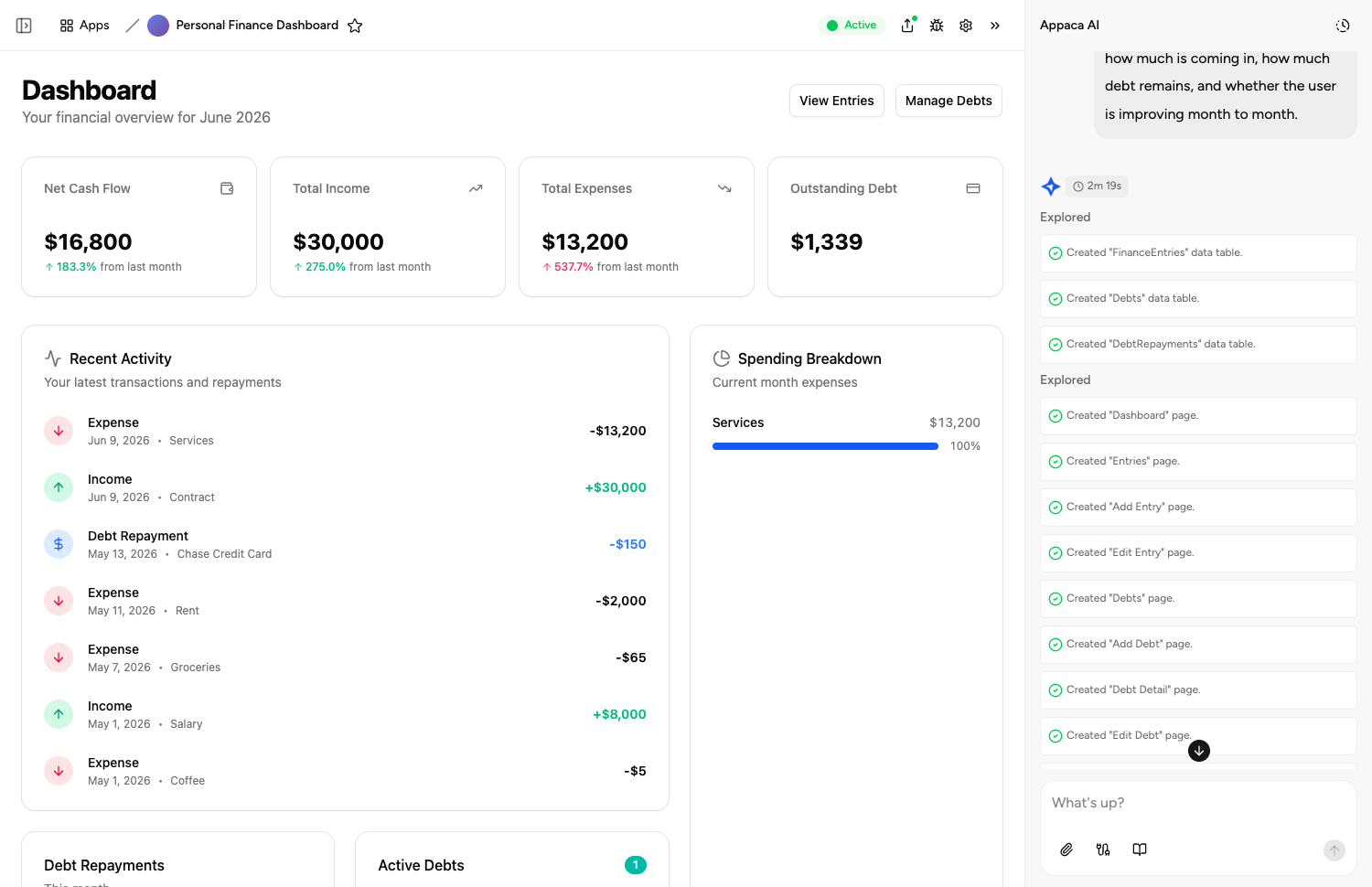
Appaca is the AI workspace for operators. Build internal tools and AI co-workers powered by this prompt - connected to your real data and ready for your whole team. No code, no deployment.
Turn prompts into reusable learning tools
Build lesson plan generators, quiz creators, and study aid tools your whole team can use. Describe what you need, and the Appaca agent builds it. No code required.
Shared across your organisation
Give every educator, trainer, or L&D professional access to the same AI-powered tools from one shared workspace - with team access and version history built in.
Automate content generation
Schedule curriculum updates, quiz generation, and progress summaries to run automatically inside your Appaca workspace.
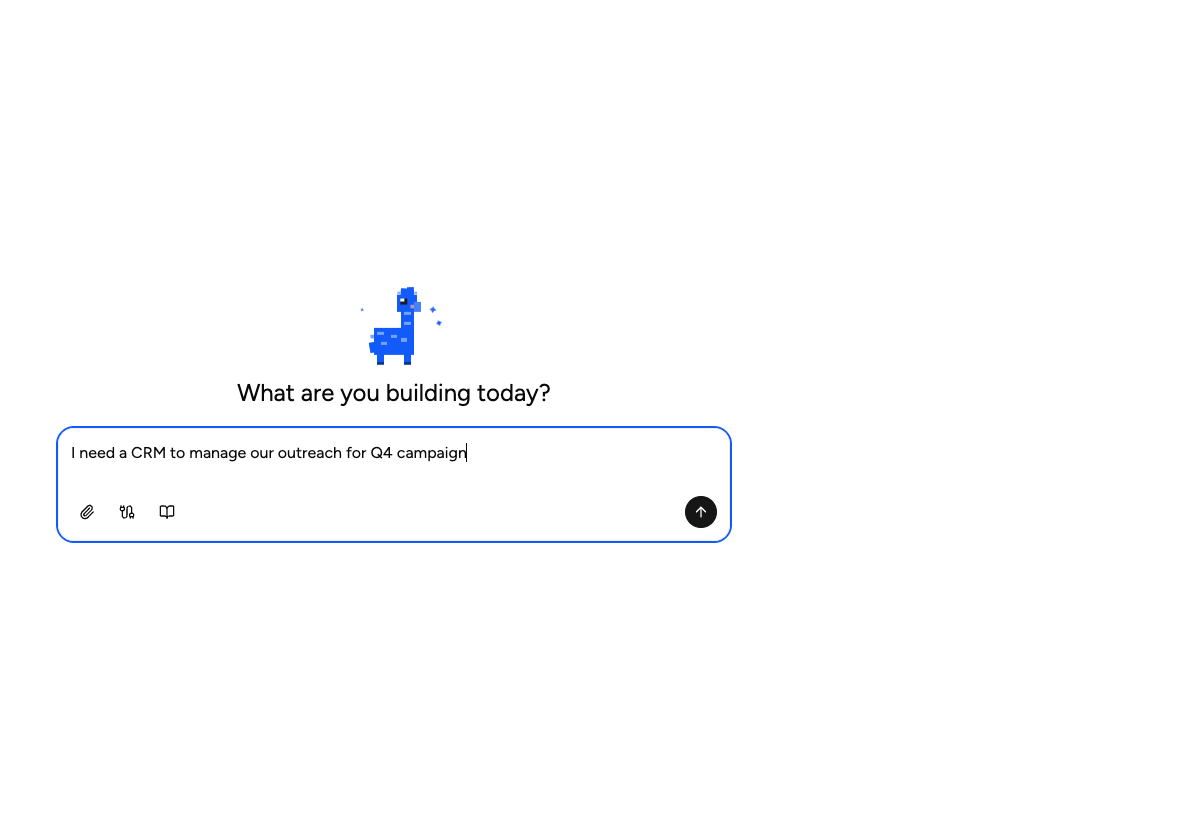
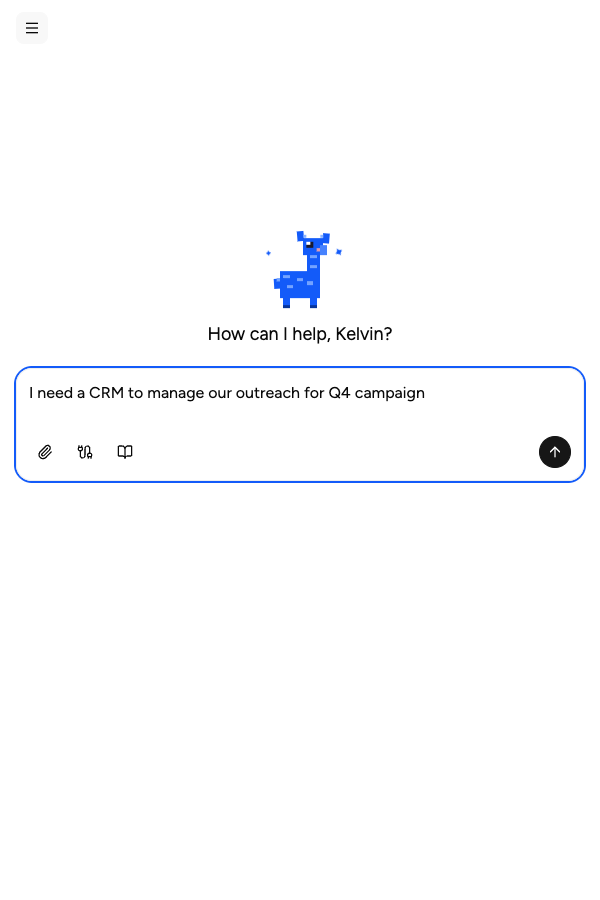
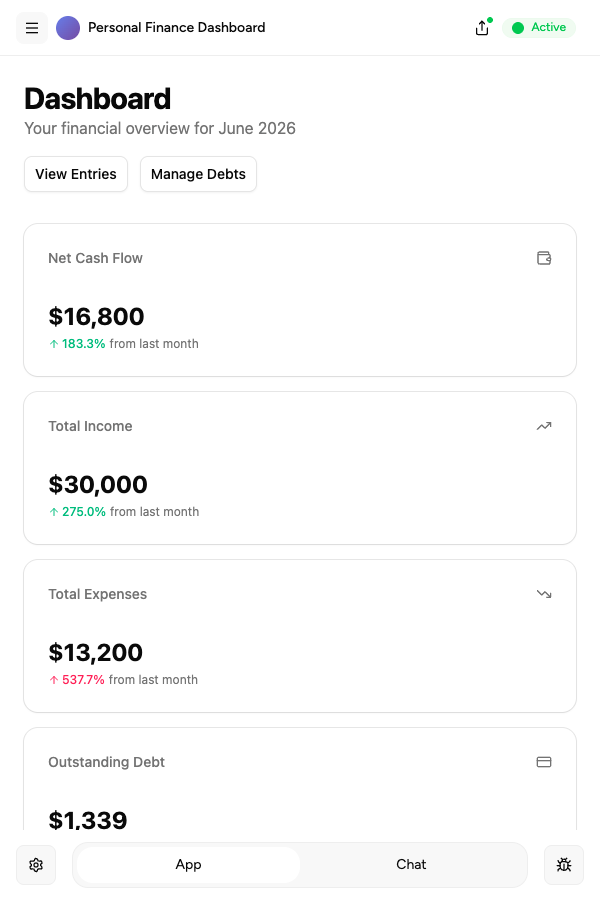
Describe it, and it's built
Tell the Appaca agent what your team needs and it builds a working app - connected to the tools you already use. No code, no deployment.





Where teams use education prompts
See how teams put education AI tools to work inside Appaca - internal tools and AI agents built around their real data and workflows.
HR
Build L&D tools that generate training materials, onboarding guides, and assessment content on demand for your people team.
Explore Appaca for HROperations
Automate curriculum updates, knowledge base management, and internal documentation with AI built around your processes.
Explore Appaca for OperationsIT Support
Create help documentation, troubleshooting guides, and knowledge articles automatically from your support tickets and FAQs.
Explore Appaca for IT SupportMore education prompts
Browse the full education prompt library - free templates ready to copy and customise.
Assessment Rubric Builder
Create detailed scoring rubrics for any assignment type with clear criteria and performance level descriptors.
Use prompt assessmentExit Ticket Creator
Generate quick formative assessments that gauge student understanding and inform next-day instruction.
Use prompt lesson planningLesson Plan Creation
Create a detailed lesson plan for a specific topic and grade level.
Use prompt assessmentMultiple Choice Quiz
Generate a multiple choice quiz on a topic with an answer key.
Use prompt assessmentStudent Assignment Feedback
Write constructive, specific feedback on a student's assignment.
Use prompt assessmentAssessment Rubric
Create a detailed grading rubric for an assessment or project.
Use promptBuild an AI tool around this prompt
Turn "Formative Assessment Ideas Generator" into a shared team tool in Appaca - powered by the AI model of your choice, with a built-in database, team access, and integrations. No code, no deployment.
- 7-day trial
- No credit card
- Cancel anytime