
GPT-4o mini Audio vs Claude 4.1 Opus
Compare GPT-4o mini Audio and Claude 4.1 Opus. Find out which one is better for your use case.
Model Comparison
| Feature | GPT-4o mini Audio | Claude 4.1 Opus |
|---|---|---|
| Provider | OpenAI | Anthropic |
| Model Type | audio | text |
| Context Window | 128,000 tokens | 1,000,000 tokens |
| Input Cost | $0.15 / 1M tokens | $15.00 / 1M tokens |
| Output Cost | $0.60 / 1M tokens | $75.00 / 1M tokens |
Strengths & Best Use Cases
GPT-4o mini Audio
1. Affordable multimodal audio model
- Extremely low-cost audio + text model for production-scale usage.
- Ideal for startups and high-volume traffic apps.
2. Fast real-time performance
- Low latency suitable for responsive voice assistants, AI phone bots, IVR flows, and audio chat apps.
- Great when speed matters more than deep reasoning.
3. Audio input and audio output
- Accepts raw audio (speech, recordings, commands).
- Generates natural audio responses via the REST API.
4. Large 128K context window
- Handles long conversations, transcriptions, and extended instructions.
- Supports multi-step voice workflows or multi-part inputs.
5. Great for lightweight reasoning workloads
- Performs well for classification, instructions, Q&A, rewriting, and audio-driven tasks.
- Good for voice agents that don't need high-end reasoning like GPT-5.1.
6. Works across major endpoints
- Chat Completions, Responses API, Realtime API, Assistants, Batch.
- Supports streaming and function calling.
7. Scalable for commercial production
- Perfect for customer support hotlines, appointment bots, FAQ voice agents, or embedded voice UI in apps.
- Reliable and predictable output behavior given its price.
8. Preview model designed for experimentation
- Lets teams prototype voice-first features with minimal cost.
- Useful stepping-stone before upgrading to GPT-4o Audio or GPT-5 audio models.
Claude 4.1 Opus
1. Advanced Coding Performance
-
Achieves 74.5% on SWE-bench Verified, improving the Claude family's state-of-the-art coding abilities.
-
Stronger at:
- Multi-file code refactoring
- Large codebase debugging
- Pinpointing exact corrections without unnecessary edits
-
Outperforms Opus 4 and shows gains comparable to jumps seen in past major releases.
2. Improved Agentic & Research Capabilities
- Better at maintaining detail accuracy in long research tasks.
- Enhanced agentic search and step-by-step problem solving.
- Performs reliably across complex multi-turn reasoning tasks.
3. Validated by Real-World Users
- GitHub: Better multi-file refactoring and code adjustments.
- Rakuten Group: High precision debugging with minimal collateral changes.
- Windsurf: One standard deviation improvement on their junior dev benchmark—similar magnitude to Sonnet 3.7 → Sonnet 4.
4. Hybrid-Reasoning Benchmark Improvements
- Improvements across TAU-bench, GPQA Diamond, MMMLU, MMMU, AIME (with extended thinking).
- Stronger robustness in long-context reasoning tasks.
Turn your AI ideas into AI products with the right AI model
Appaca is the complete platform for building AI agents, automations, and customer-facing interfaces. No coding required.
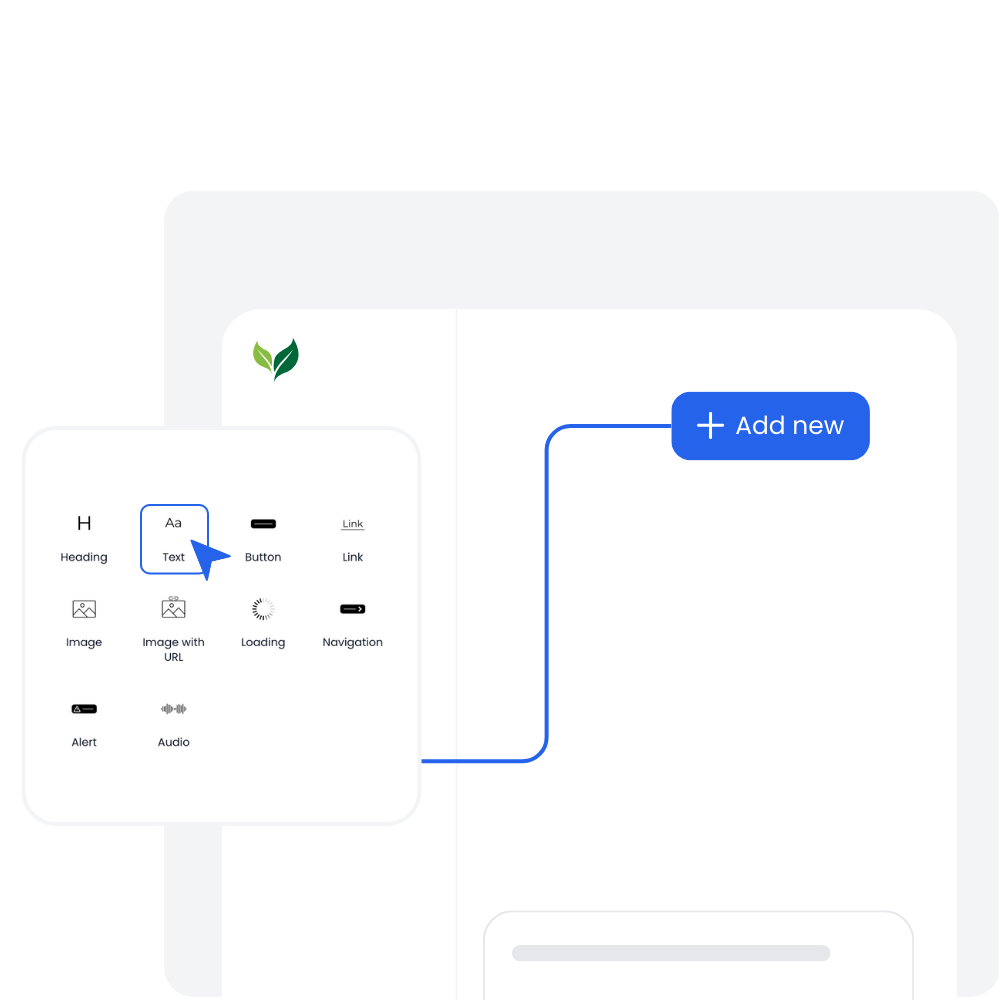
Customer-facing Interface
Create and style user interfaces for your AI agents and tools easily according to your brand.
Multimodel LLMs
Create, manage, and deploy custom AI models for text, image, and audio - trained on your own knowledge base.
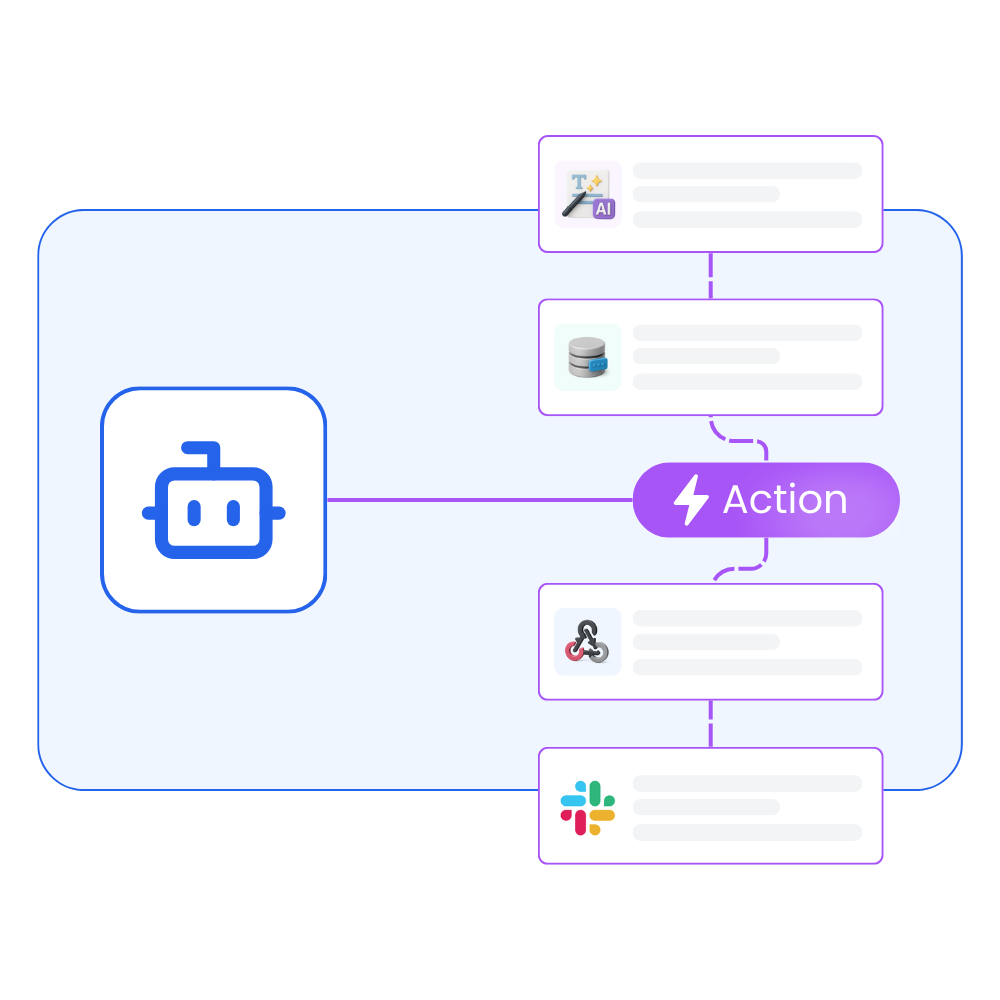
Agentic workflows and integrations
Create a workflow for your AI agents and tools to perform tasks and integrations with third-party services.
Trusted by incredible people at





All you need to launch and sell your AI products with the right AI model
Appaca provides out-of-the-box solutions your AI apps need.
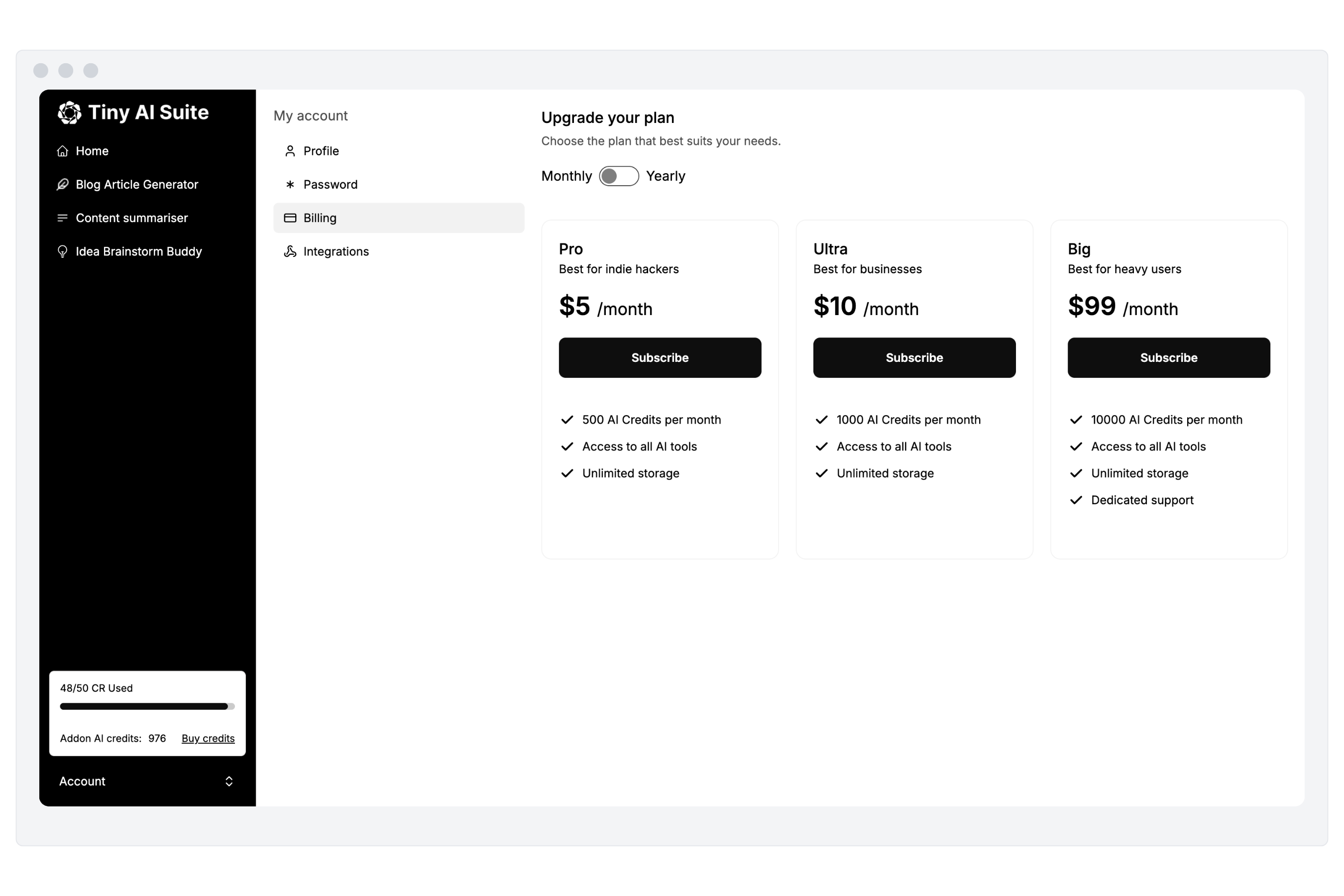
Monetize your AI
Sell your AI agents and tools as a complete product with subscription and AI credits billing. Generate revenue for your busienss.

“I've built with various AI tools and have found Appaca to be the most efficient and user-friendly solution.”

Cheyanne Carter
Founder & CEO, Edubuddy
Put your AI idea in front of your customers today
Use Appaca to build and launch your AI products in minutes.