
GPT-5.1 Codex vs GPT Image 1.5
Compare GPT-5.1 Codex and GPT Image 1.5. Find out which model is better for your specific use case and requirements.
Model Comparison
| Feature | GPT-5.1 Codex | GPT Image 1.5 |
|---|---|---|
| Provider | OpenAI | OpenAI |
| Model Type | text | image |
| Context Window | 400,000 tokens | N/A |
| Input Cost | $1.25/ 1M tokens | $5.00/ 1M tokens |
| Output Cost | $10.00/ 1M tokens | N/A |
Strengths & Best Use Cases
GPT-5.1 Codex
OpenAI1. Purpose-Built for Agentic Coding
- Designed specifically for environments where the model acts as an autonomous or semi-autonomous coding agent.
- Optimized for multi-step reasoning in code tasks such as planning, refactoring, debugging, file generation, and tool coordination.
2. Enhanced Coding Intelligence
- Extends GPT-5.1's advanced reasoning capabilities to handle complex software architecture decisions.
- Better accuracy in code generation across languages (JavaScript, Python, TypeScript, Go, Rust, etc.).
- Produces cleaner, more idiomatic code aligned with modern frameworks and best practices.
3. Superior Tool Use & Code Navigation
- Excels at reading, understanding, and transforming multi-file codebases.
- Works well with Codex workflows that simulate real developer tooling.
- Strong at following function signatures, constraints, and code patterns within an existing project.
4. Long-Range Context Awareness
- 400,000-token context window enables the model to ingest large repositories or multiple files simultaneously.
- Supports deep analysis of project structures, dependencies, and cross-file logic.
5. Multi-Modal Development Capabilities
- Accepts text + image input and output - suitable for tasks like:
- Reading UI mockups or screenshots to generate code
- Understanding architectural diagrams
- Reviewing images of whiteboard sessions
6. Agentic Workflow Optimization
- Built to manage longer chains of thought and execution typically required in:
- Automated code repair
- Project bootstrapping
- Linting and migration tasks
- Long-running coding agents using planning + execution loops
7. Continually Updated Model Snapshot
- Codex-specific version receives regular upgrades behind the scenes.
- Ensures the latest coding improvements without requiring developers to update model names.
8. Reliable Instruction Following
- Highly consistent in honoring explicit constraints:
- Code styles
- Folder structures
- API contracts
- Framework conventions
9. Broad API Support
- Works across Chat Completions, Responses API, Realtime, Assistants, and more.
- Ideal for apps that need live, reasoning-heavy coding agents or generative dev environments.
GPT Image 1.5
OpenAI1. State-of-the-Art Image Generation
- Produces high-quality, detailed images optimized for realism, style control and prompt fidelity.
- Designed to handle complex visual scenes, compositions and lighting conditions.
2. Natively Multimodal Architecture
- Understands and reasons over both text and images as inputs.
- Ideal for workflows like editing based on reference images, expanding sketches or mockups and visual concept development.
3. Flexible Output Resolutions & Quality Levels
- Supports multiple resolutions including 1024x1024, 1024x1536 and 1536x1024.
- Offers three quality tiers (Low, Medium, High) to balance cost, speed and maximum detail.
4. Multiple Pricing Models
- Pay-per-token for multimodal input: text tokens and image tokens.
- Pay-per-image generation for final output: low, medium and high quality tiers.
- Enables businesses to balance cost and output needs.
5. Broad Use Cases
- Product photography and marketing assets.
- Illustration, concept art and creative ideation.
- UX/UI mockups.
- Style-guided image creation.
- Generating reference images for design or storytelling.
6. Supported Across Major API Endpoints
- Available via Chat Completions, Responses, Realtime, Assistants and Images (generations/edits) endpoints.
- Allows tight integration into automated creative pipelines or user-facing apps.
7. Simplified Model Behavior for Stability
- No streaming, function calling, structured outputs or fine-tuning; focused solely on high-quality image generation.
8. Consistent Results via Snapshots
- Supports snapshots for version locking to ensure long-term reproducibility.
9. Ideal For
- Designers, marketers and creatives.
- Product teams needing image assets.
- App builders integrating image generation workflows.
- Agencies producing visual content at scale.
Try These Prompts
Discover AI prompts that work great with these models. Use them to build powerful AI tools on Appaca.
Best for GPT-5.1 Codex
textBug Fixer & Debugger
Identify bugs in your code, understand why they happen, and get a corrected version.
Meeting Notes Summarizer
Transform raw meeting transcripts or messy notes into clear, structured summaries with action items.
Professional Email Rewriter
Rewrite your rough drafts into polished, professional emails suitable for any business context.
Best for GPT Image 1.5
imageSocial Media Campaign (USP + Challenge Angles)
Design a social media campaign that engages your persona with informative and entertaining content tied to your USP and their challenges.
Influencer Campaign (Partner + Brief + Measurement)
Design an influencer marketing campaign that reaches your persona via credible partners while reinforcing your USP and persona challenges.
Content Marketing Strategy (Thought Leadership)
Create a persona-first content strategy that positions your brand as a thought leader and connects your USP to the challenges you solve.
Use Appaca to make AI tools powered by GPT-5.1 Codex or GPT Image 1.5
Turn your AI ideas into AI products with the right AI model
Appaca is the complete platform for building AI agents, automations, and customer-facing interfaces. No coding required.
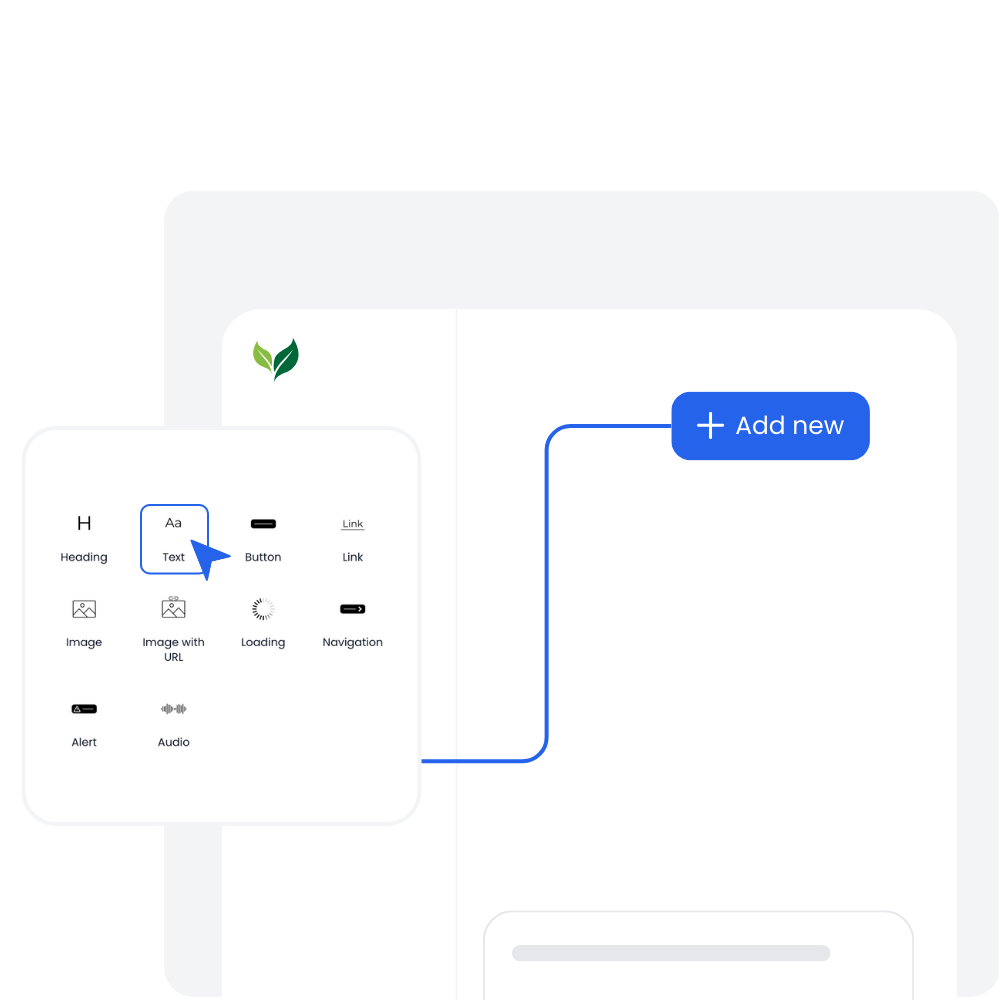
Customer-facing Interface
Create and style user interfaces for your AI agents and tools easily according to your brand.
Multimodel LLMs
Create, manage, and deploy custom AI models for text, image, and audio - trained on your own knowledge base.
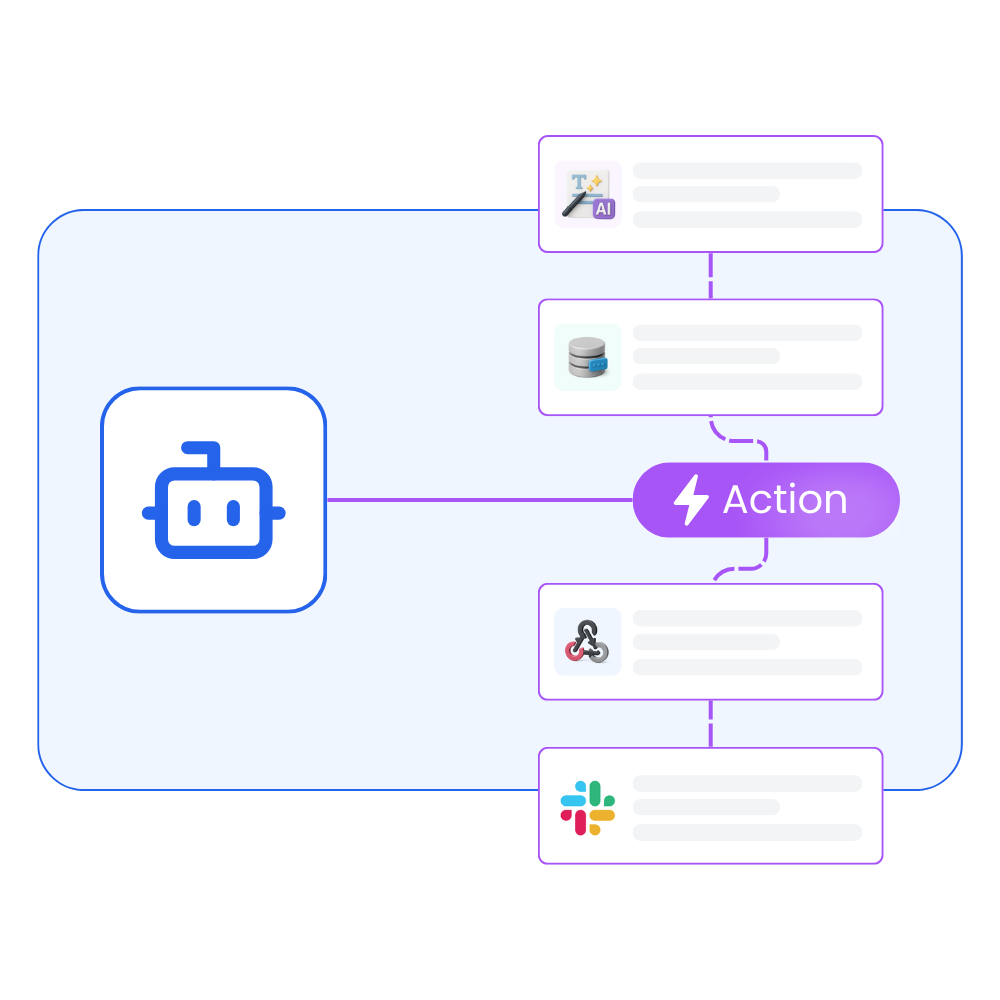
Agentic workflows and integrations
Create a workflow for your AI agents and tools to perform tasks and integrations with third-party services.
Trusted by incredible people at







All you need to launch and sell your AI products with the right AI model
Appaca provides out-of-the-box solutions your AI apps need.
Monetize your AI
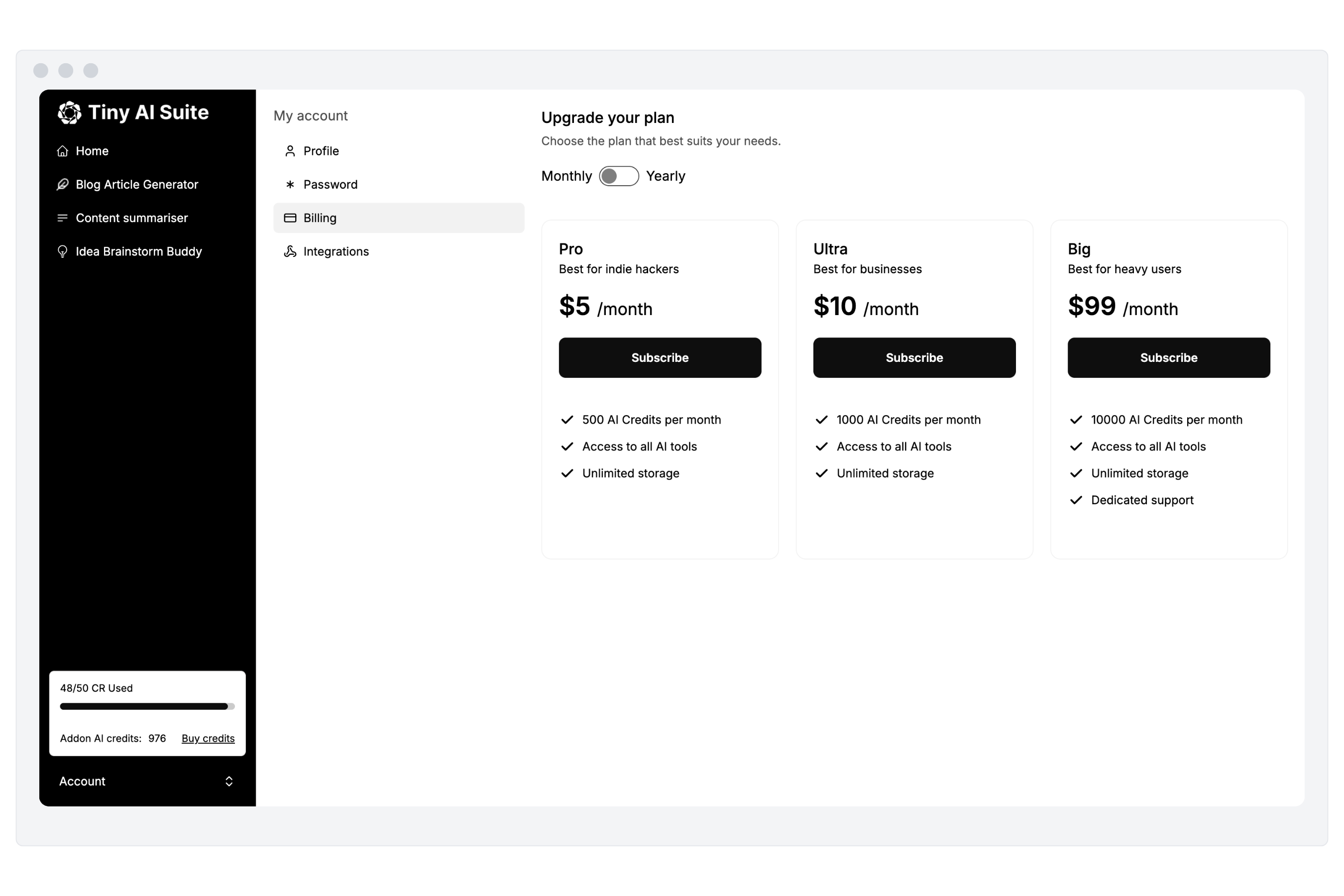
Sell your AI agents and tools as a complete product with subscription and AI credits billing. Generate revenue for your busienss.

“I've built with various AI tools and have found Appaca to be the most efficient and user-friendly solution.”

Cheyanne Carter
Founder & CEO, Edubuddy
Put your AI idea in front of your customers today
Use Appaca to build and launch your AI products in minutes.