
GPT-5 Mini vs GPT Image 1.5
Compare GPT-5 Mini and GPT Image 1.5. Find out which model is better for your specific use case and requirements.
Model Comparison
| Feature | GPT-5 Mini | GPT Image 1.5 |
|---|---|---|
| Provider | OpenAI | OpenAI |
| Model Type | text | image |
| Context Window | 400,000 tokens | N/A |
| Input Cost | $0.25/ 1M tokens | $5.00/ 1M tokens |
| Output Cost | $2.00/ 1M tokens | N/A |
Strengths & Best Use Cases
GPT-5 Mini
OpenAI1. High reasoning performance
- Retains strong reasoning capabilities despite being a smaller, faster model.
- Suitable for tasks requiring accurate logic and structured thinking.
2. Fast and cost-efficient
- Optimized for speed, making it ideal for real-time or high-volume workloads.
- Far cheaper than GPT-5 while maintaining solid capability.
3. Great for well-defined tasks
- Excels when prompts are precise and objectives are clearly specified.
- More predictable and stable for deterministic workflows.
4. Multimodal input
- Accepts text + image as input.
- Outputs text only.
5. Tool support
- Works with Web Search, File Search, Code Interpreter, MCP.
- (Does not support Image Generation as a tool and does not support Computer Use.)
GPT Image 1.5
OpenAI1. State-of-the-Art Image Generation
- Produces high-quality, detailed images optimized for realism, style control and prompt fidelity.
- Designed to handle complex visual scenes, compositions and lighting conditions.
2. Natively Multimodal Architecture
- Understands and reasons over both text and images as inputs.
- Ideal for workflows like editing based on reference images, expanding sketches or mockups and visual concept development.
3. Flexible Output Resolutions & Quality Levels
- Supports multiple resolutions including 1024x1024, 1024x1536 and 1536x1024.
- Offers three quality tiers (Low, Medium, High) to balance cost, speed and maximum detail.
4. Multiple Pricing Models
- Pay-per-token for multimodal input: text tokens and image tokens.
- Pay-per-image generation for final output: low, medium and high quality tiers.
- Enables businesses to balance cost and output needs.
5. Broad Use Cases
- Product photography and marketing assets.
- Illustration, concept art and creative ideation.
- UX/UI mockups.
- Style-guided image creation.
- Generating reference images for design or storytelling.
6. Supported Across Major API Endpoints
- Available via Chat Completions, Responses, Realtime, Assistants and Images (generations/edits) endpoints.
- Allows tight integration into automated creative pipelines or user-facing apps.
7. Simplified Model Behavior for Stability
- No streaming, function calling, structured outputs or fine-tuning; focused solely on high-quality image generation.
8. Consistent Results via Snapshots
- Supports snapshots for version locking to ensure long-term reproducibility.
9. Ideal For
- Designers, marketers and creatives.
- Product teams needing image assets.
- App builders integrating image generation workflows.
- Agencies producing visual content at scale.
Try These Prompts
Discover AI prompts that work great with these models. Use them to build powerful AI tools on Appaca.
Best for GPT-5 Mini
textBuild Emergency Fund
Calculate personalized emergency fund targets with this AI prompt, offering strategies to build a buffer without sacrificing essentials.
Craft Catchy Sales Emails
Write high-converting sales emails with strong hooks, clear value, and a single focused CTA—optimized for your audience and offer.
Influencer Campaign (Partner + Brief + Measurement)
Design an influencer marketing campaign that reaches your persona via credible partners while reinforcing your USP and persona challenges.
Best for GPT Image 1.5
imageCustomer Onboarding Program (Activation + Value)
Create a customer onboarding program that reinforces your USP and sets your persona up for success overcoming their challenges.
Welcome Email Series Generator
Create a complete automated welcome email sequence that nurtures new subscribers and drives conversions.
Influencer Campaign (Partner + Brief + Measurement)
Design an influencer marketing campaign that reaches your persona via credible partners while reinforcing your USP and persona challenges.
Use Appaca to make AI tools powered by GPT-5 Mini or GPT Image 1.5
Turn your AI ideas into AI products with the right AI model
Appaca is the complete platform for building AI agents, automations, and customer-facing interfaces. No coding required.
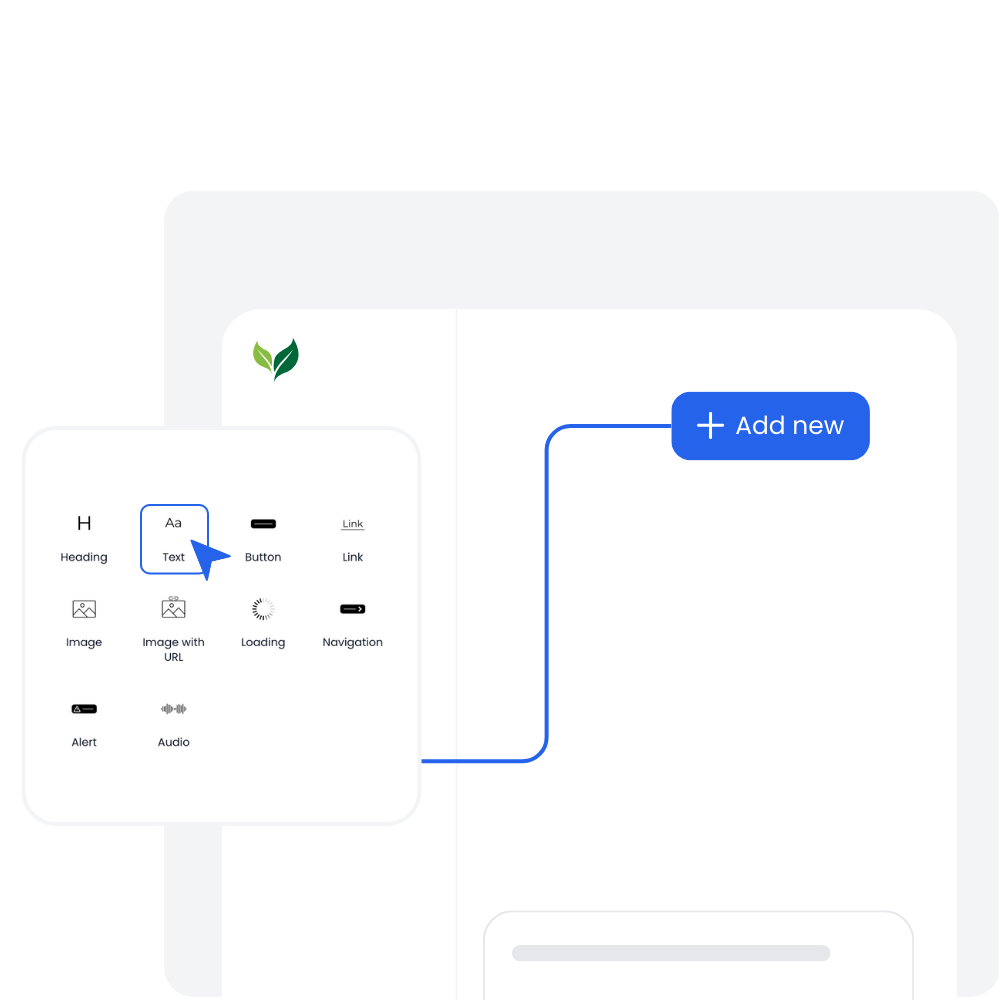
Customer-facing Interface
Create and style user interfaces for your AI agents and tools easily according to your brand.
Multimodel LLMs
Create, manage, and deploy custom AI models for text, image, and audio - trained on your own knowledge base.
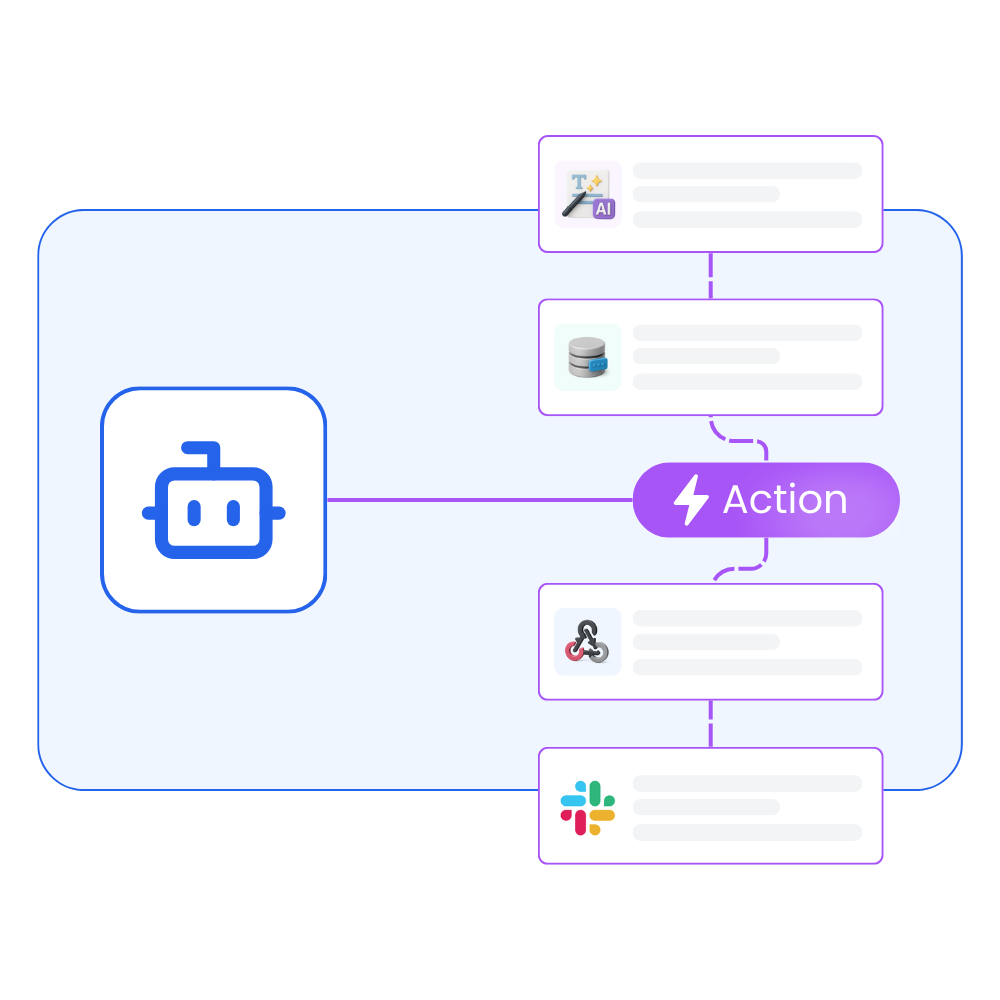
Agentic workflows and integrations
Create a workflow for your AI agents and tools to perform tasks and integrations with third-party services.
Trusted by incredible people at







All you need to launch and sell your AI products with the right AI model
Appaca provides out-of-the-box solutions your AI apps need.
Monetize your AI
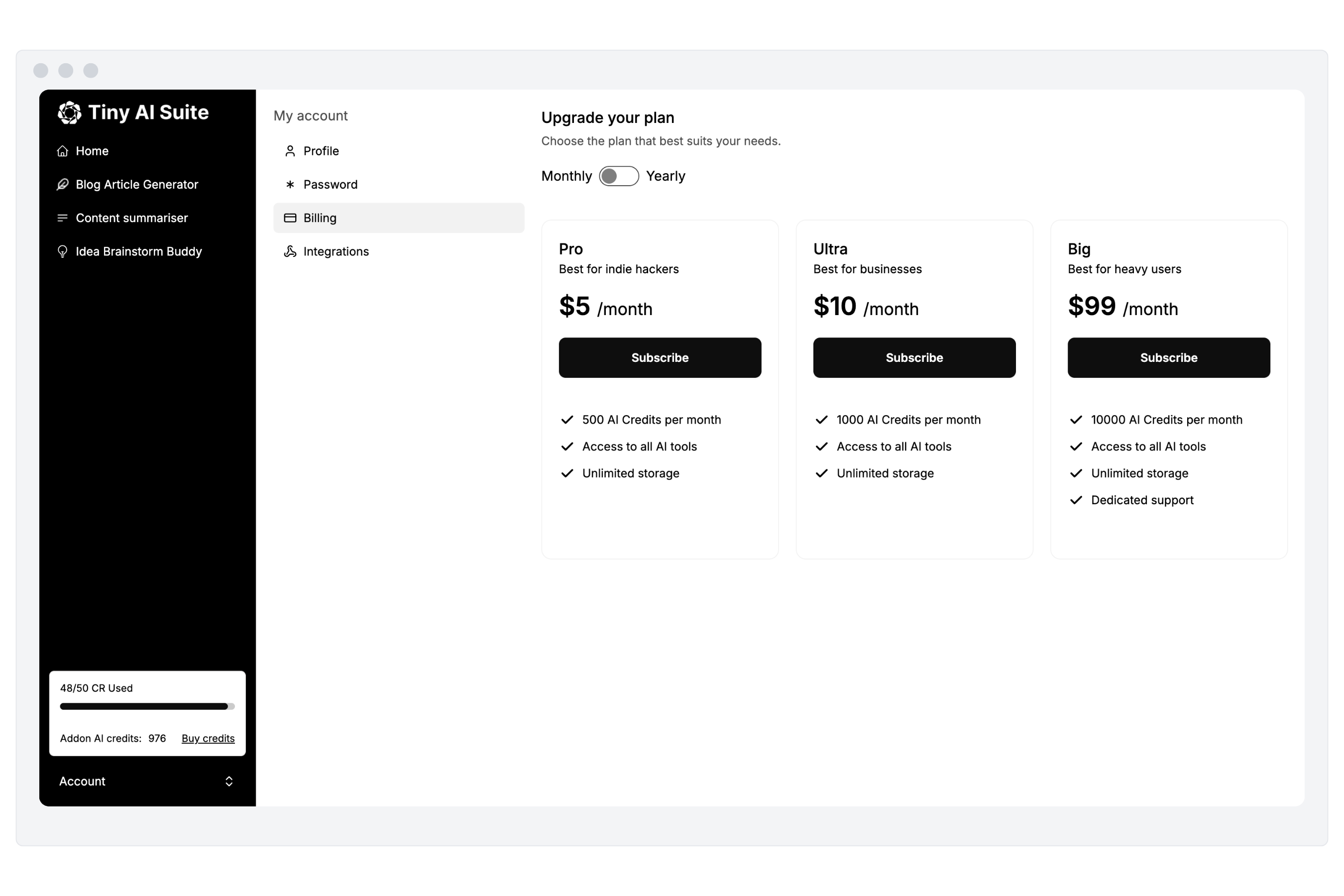
Sell your AI agents and tools as a complete product with subscription and AI credits billing. Generate revenue for your busienss.

“I've built with various AI tools and have found Appaca to be the most efficient and user-friendly solution.”

Cheyanne Carter
Founder & CEO, Edubuddy
Put your AI idea in front of your customers today
Use Appaca to build and launch your AI products in minutes.