Try Appaca - the Power Apps alternative for personal software
Get started freeAppaca vs Power Apps
Power Apps is powerful but complex and tied to Microsoft. Appaca generates apps from a plain description - no Microsoft ecosystem required, no learning curve.
Feature Comparison
| Feature | Appaca | Power Apps |
|---|---|---|
| Primary Approach | Describe what you need, get a ready-to-use app | Low-code visual builder integrated with Microsoft 365 |
| Target User | Anyone - no technical skills needed | Enterprise users in Microsoft ecosystems |
| Coding Required | None | Power Fx formula language often required |
| Apps Run Inside Platform | Yes - no deployment needed | Yes - within Microsoft 365 environment |
| Hosting Required | No - built-in | No - Azure/Microsoft cloud |
| Database Included | Yes - automatic | Dataverse available but complex to configure |
| Team Collaboration | Yes - shared workspaces | Yes - Microsoft 365 integration |
| Free Plan | Yes (100 AI credits) | Free trial only, then per-user licensing |
| Starting Price | Free (paid from $24/mo) | From $5/user/mo (often bundled with M365) |
| Integrations | Google Sheets, Slack, Notion, and more | Deep Microsoft 365, SharePoint, Dynamics integration |
What makes Appaca different
See how Appaca's approach to personal software compares to Power Apps.
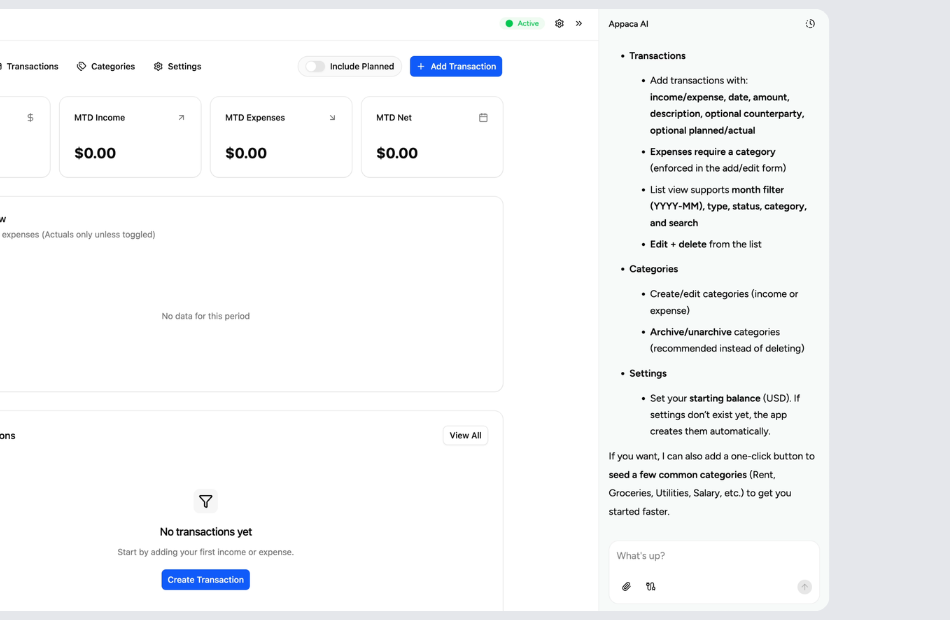
No Microsoft ecosystem required
Power Apps is built for Microsoft 365 environments. Appaca works independently - no Azure, no SharePoint, no Dynamics required.
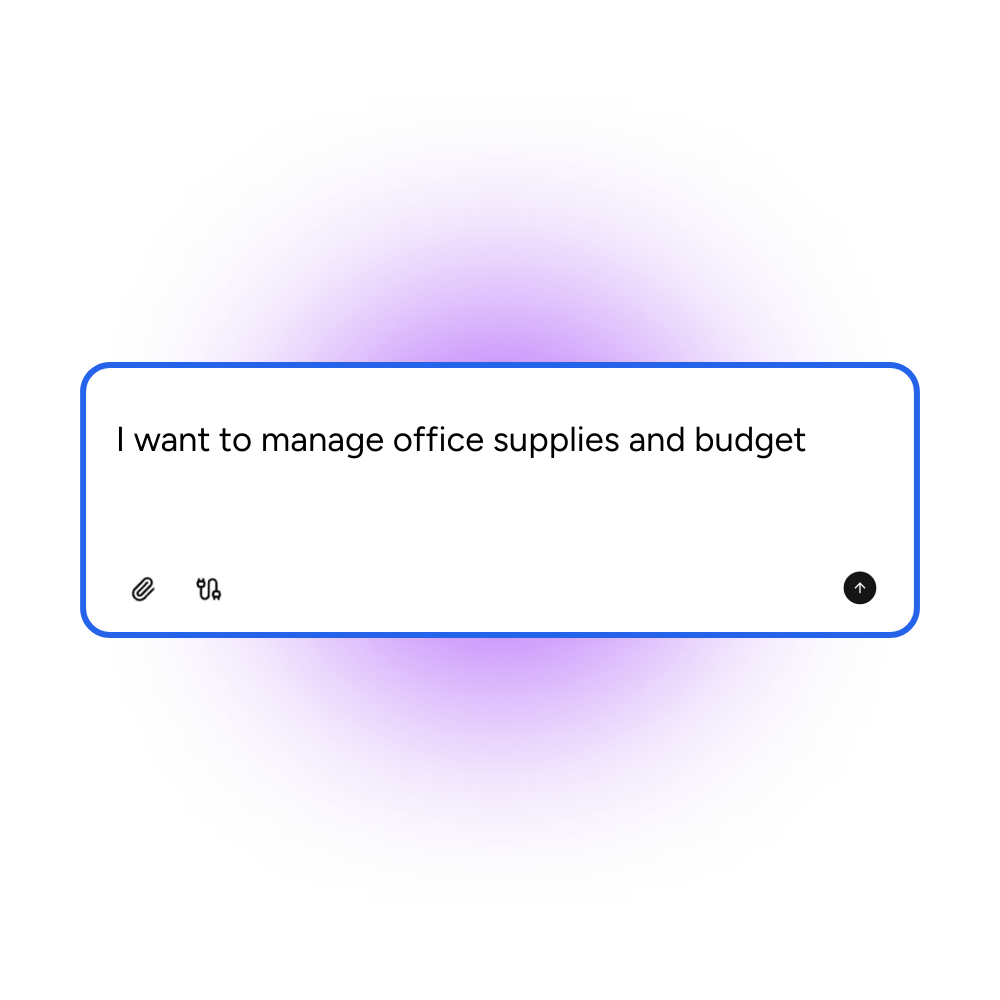
No formula language
Power Apps uses Power Fx, a formula language with a steep learning curve. Appaca requires no formulas, no expressions, no technical language of any kind.

Free to start
Power Apps has no permanent free plan - just a trial. Appaca has a free plan with AI credits so you can build real apps before committing to a paid plan.
The Appaca approach
Appaca creates personal software that is ready to use. Here is how it works compared to Power Apps.
Platform-independent
Power Apps is deeply integrated with Azure, SharePoint, and Dataverse. Appaca is standalone - works for any team regardless of which cloud or productivity suite they use.
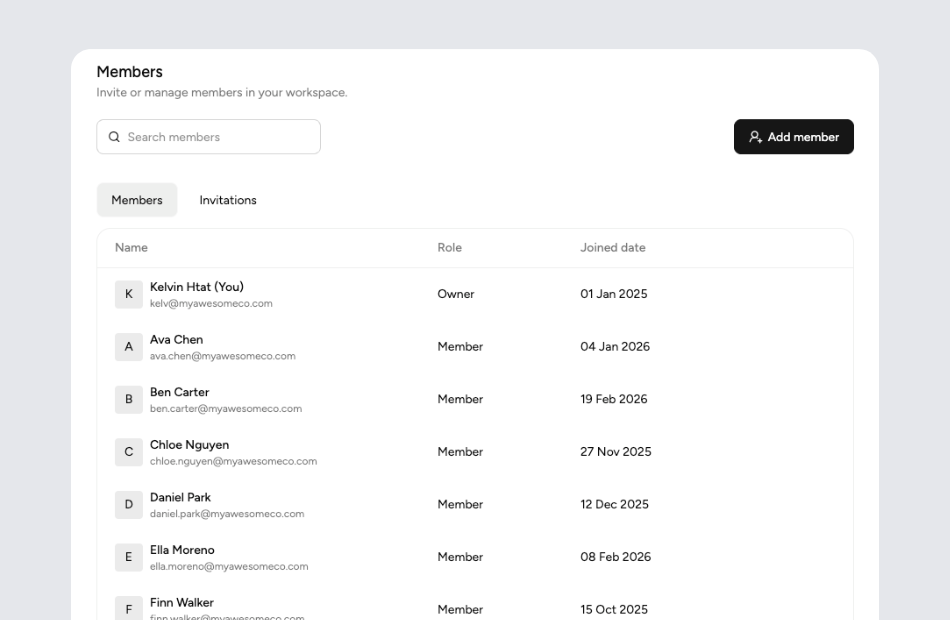
AI-powered vs formula-driven
Power Apps requires Power Fx formulas to add logic and dynamic behavior. Appaca generates all logic from a plain description - no formula language, no expression editor needed.

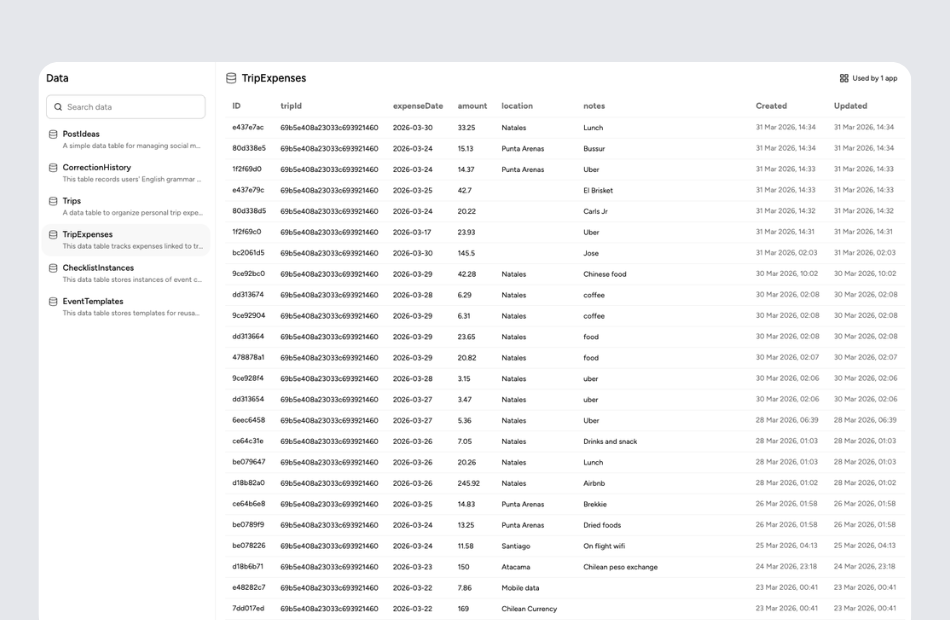
Built-in automatic database
Power Apps requires Dataverse or SharePoint lists as data sources, which need their own setup and licensing. Appaca's database is created automatically with every app.
What is Power Apps?
Power Apps is Microsoft's low-code platform for building business applications integrated with the Microsoft 365 ecosystem. It connects to SharePoint, Dataverse, Excel, and Dynamics 365, and supports canvas apps and model-driven apps. Power Apps is popular in large enterprises already using Microsoft infrastructure for building custom internal tools and automating business processes.
Key differences between Appaca and Power Apps
Power Apps is deeply tied to the Microsoft ecosystem and requires Power Fx formula knowledge to build useful apps. Appaca is platform-independent and generates apps from plain descriptions - no formulas, no Microsoft subscriptions, no Azure infrastructure needed.
Why choose Appaca over Power Apps
Choose Appaca if your team doesn't use Microsoft 365 infrastructure, or if you want apps without the complexity of Power Fx and Dataverse. Appaca delivers working apps in minutes with no technical training. It's especially valuable for SMBs and teams that want to move fast without enterprise IT involvement.
Questions & answers
Significantly. Power Apps requires Power Fx formula knowledge and Microsoft ecosystem familiarity. Appaca generates apps from plain English with no technical skills needed.
No. Appaca is independent of any Microsoft products. You can use it with any tools and any team.
For non-enterprise teams, yes. Power Apps charges per user per month and often requires Dataverse licensing. Appaca starts at $24/mo flat.
Appaca is well-suited for small to mid-sized business apps. For large-scale enterprise apps deeply integrated with Microsoft infrastructure, Power Apps has more depth.
Appaca focuses on its own built-in database and common integrations. For deep Microsoft integration, Power Apps has native advantages.
Also compare
See how Appaca compares to other AI app builders and vibe coding tools.
SAP Build Apps
No-code app builderGoogle's no-code mobile and web app builder, now part of the SAP ecosystem.
Compare with AppacaQuickbase
Low-code platformDynamic work management platform for custom business applications.
Compare with AppacaZoho Creator
Low-code platformLow-code app development platform in the Zoho suite.
Compare with AppacaLovable
AI app builderChat-based AI web app builder with GitHub integration
Compare with Appaca