Try Appaca - the Typeform alternative for personal software
Get started freeAppaca vs Typeform
Typeform creates beautifully designed forms. Appaca builds the complete app where form data is stored, managed, and acted on - all in one place.
Feature Comparison
| Feature | Appaca | Typeform |
|---|---|---|
| Form experience | Standard forms with logic | Conversational one-at-a-time UX |
| Data management | Full app with views and workflows | Responses spreadsheet only |
| Post-submission workflow | Built-in | Via integrations (Zapier etc.) |
| Team dashboards | Built-in | Not available |
| Starting price | Free (paid from $24/mo) | $25/mo (100 responses) |
| Response limits | No response limits | Capped by plan tier |
What makes Appaca different
See how Appaca's approach to personal software compares to Typeform.
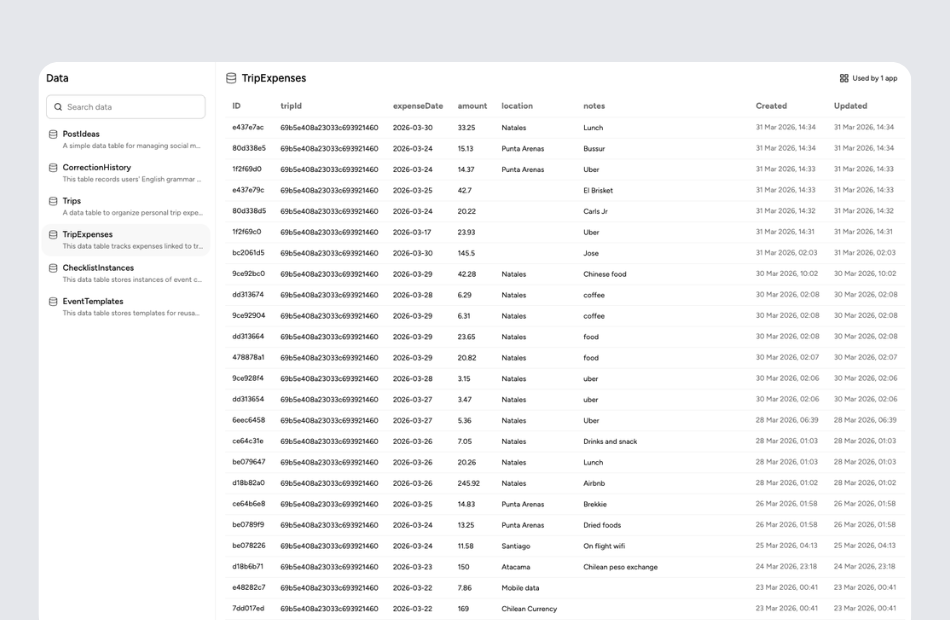
Data that lives in your app
Typeform stores responses separately. Appaca stores submissions in your app database - linked to related records, searchable, and actionable.
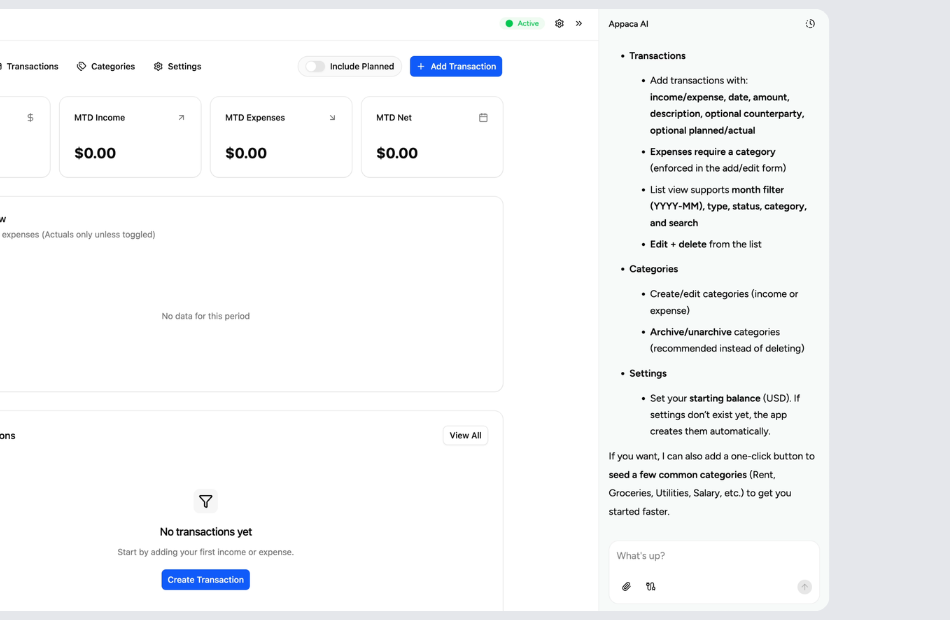
Workflows without extra tools
Typeform sends data to Zapier to trigger actions. Appaca's built-in workflows route, assign, and notify without extra tools.
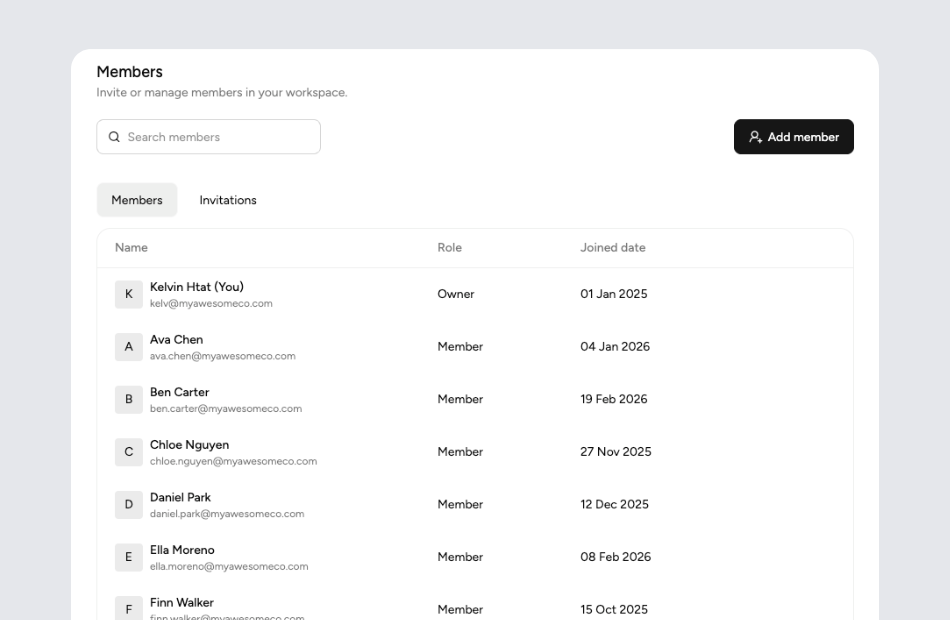
No response caps
Typeform charges by response volume. Appaca has no per-response pricing - collect as many submissions as your workflow generates.
The Appaca approach
Appaca creates personal software that is ready to use. Here is how it works compared to Typeform.
Forms connected to your workflow
Typeform excels at conversion-optimized form design. Appaca connects the form to the workflow behind it - routing submissions, updating records, sending notifications, and tracking status.
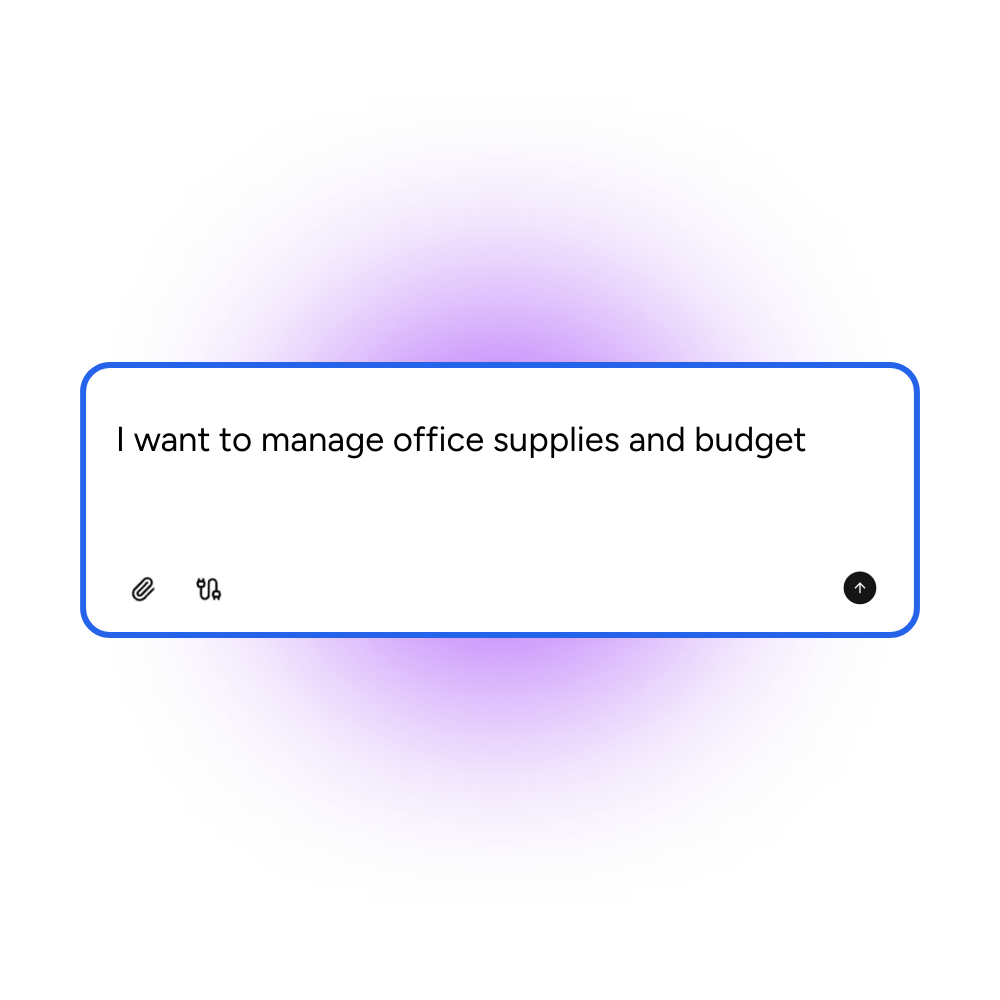
One tool instead of Typeform + Zapier + Spreadsheet
Most Typeform users also use Zapier to route data and a spreadsheet to manage it. Appaca replaces that entire stack with one custom app.

Scale without cost surprises
Typeform charges by response volume. As your forms gain traction, Appaca stays predictably priced by workspace - not by usage.

What is Typeform?
Typeform is a form and survey builder known for its conversational, one-question-at-a-time interface. Founded in 2012, it is used by millions of businesses for lead capture, customer feedback, onboarding questionnaires, and market research. Typeform's design focuses on improving completion rates through a more engaging format than traditional form builders.
Key differences between Appaca and Typeform
Typeform is a specialized form builder. Appaca is a complete app builder that includes form creation. After a Typeform submission, you typically need Zapier to route data and Google Sheets or a CRM to manage it. Appaca handles the entire lifecycle - form submission, data storage, workflow routing, team management - in one app.
When to choose Appaca over Typeform
Choose Appaca when you need more than beautiful forms - when submissions need to trigger workflows, update related records, be reviewed by a team, or tracked through a process. Typeform remains the best choice for conversion-optimized surveys and forms where the primary goal is high completion rate.
Questions & answers
Typeform charges per response - its basic plan allows 100 responses/mo for $25/mo. For high-volume forms, costs escalate quickly. Appaca has no per-response pricing.
Appaca builds standard forms with conditional logic and branching. For the specific conversational one-question-at-a-time UX, Typeform remains the benchmark.
Typeform integrates with Zapier, HubSpot, Salesforce, Slack, Google Sheets, Mailchimp, and 500+ tools. Appaca handles these workflows natively within the app.
Also compare
See how Appaca compares to other AI app builders and vibe coding tools.
Budibase
Open-source low-code platformAn open-source low-code platform for building business apps and workflows.
Compare with AppacaToolJet
Open-source low-code platformAn open-source low-code platform for building and deploying internal tools.
Compare with AppacaAirtable
Spreadsheet-database hybridA spreadsheet-database hybrid for organizing information and building workflows.
Compare with AppacaNotion
Docs and databases platformAn all-in-one workspace for notes, docs, wikis, and databases.
Compare with Appaca