Create your own AI forecasting and budgeting tools
Tell Appaca your revenue streams, cost centers, and planning cadence, and it creates forecasting software that fits your financial model without rigid spreadsheet templates.
Trusted by incredible people at







What you can make with Appaca
Appaca is a platform for personal software, so your forecasting tool can match your chart of accounts instead of a generic finance template.
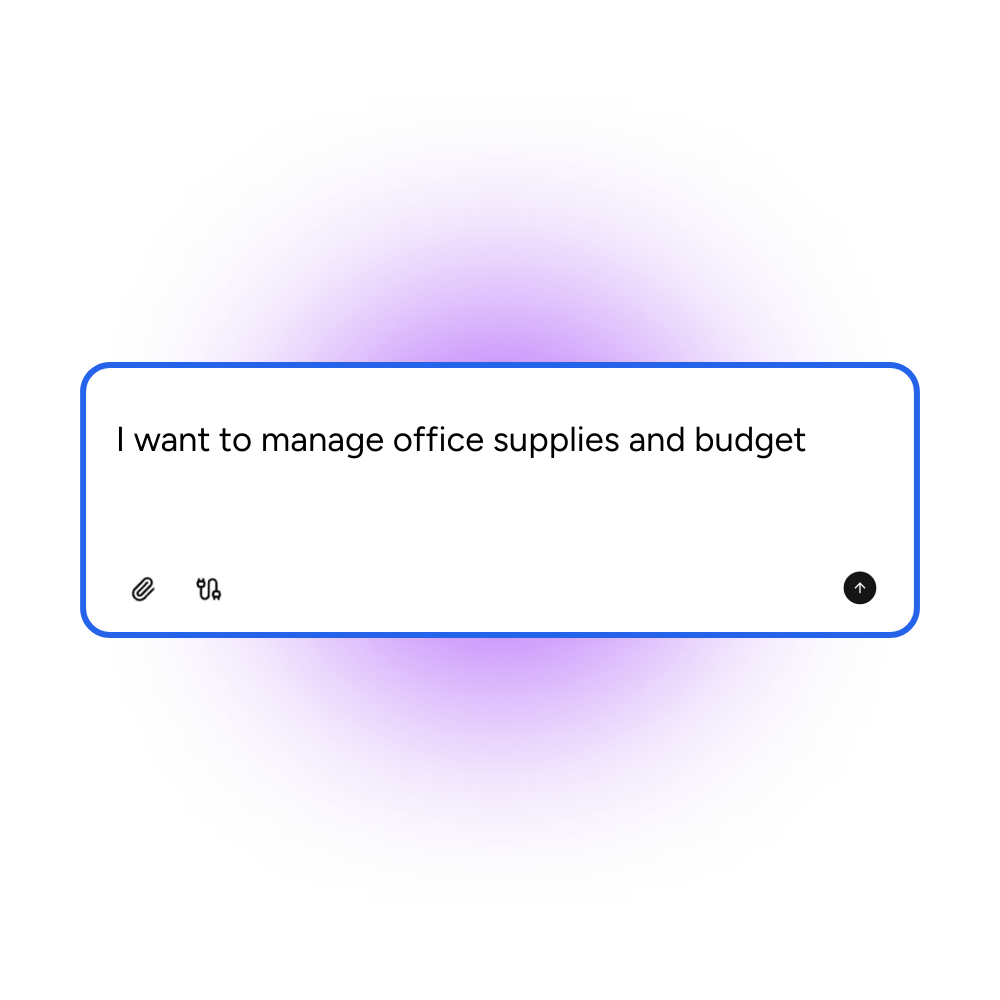
Budgets structured around your real line items
Define categories the way your team reviews them-payroll, marketing, infrastructure-and set periods that align with your fiscal year rather than a calendar default.

Forecasts that reflect how you actually earn
Whether revenue comes from subscriptions, project fees, or seasonal sales, Appaca shapes projection logic around your inputs so the numbers feel familiar.

Compare scenarios without duplicating sheets
Create best-case and worst-case views by adjusting a few assumptions. Everything lives in one workspace instead of scattered workbook copies.
Personal software for finance teams and founders
Start with your budget structure and revenue drivers. Appaca creates the forecasting app around your model, and you can keep refining it as actuals roll in.
Start with your numbers and planning rhythm
Tell Appaca your revenue lines, cost buckets, and how often you reforecast-monthly, quarterly, or on demand.
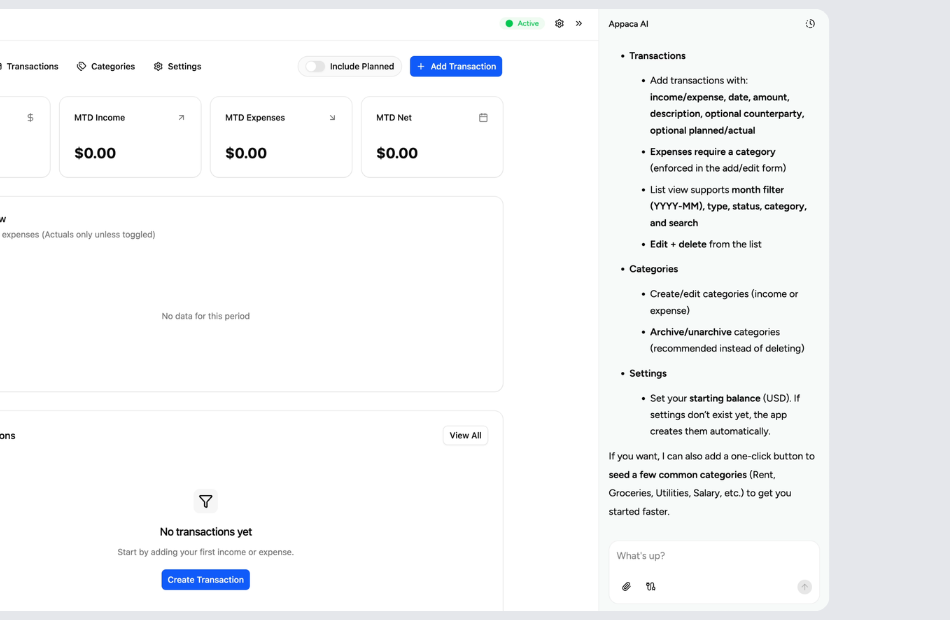
Let Appaca shape the budgeting app around your model
Describe growth assumptions, headcount plans, or seasonal patterns. Appaca turns that into editable tables, summary views, and variance tracking your CFO can review.
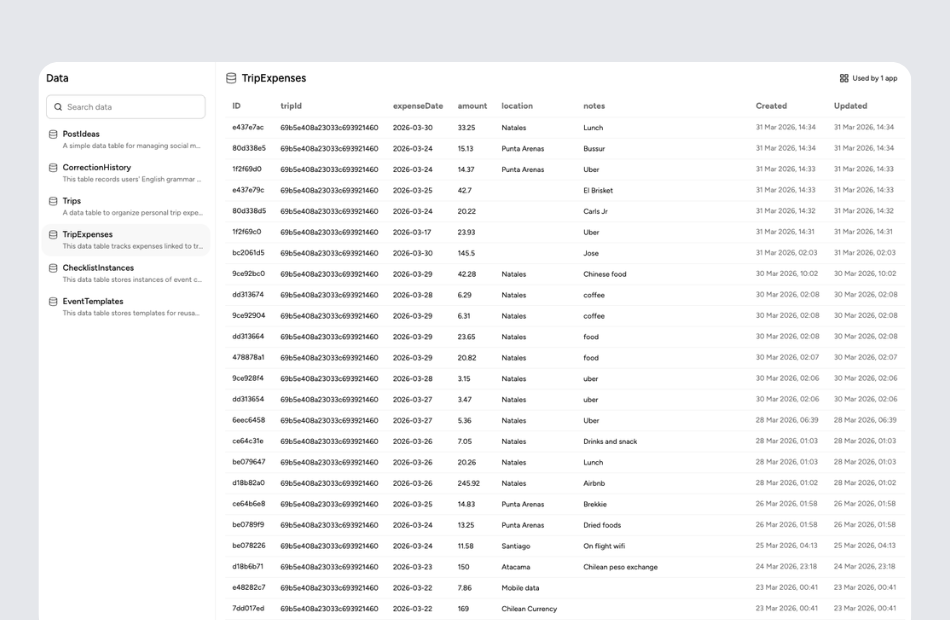
Share it with finance and leadership
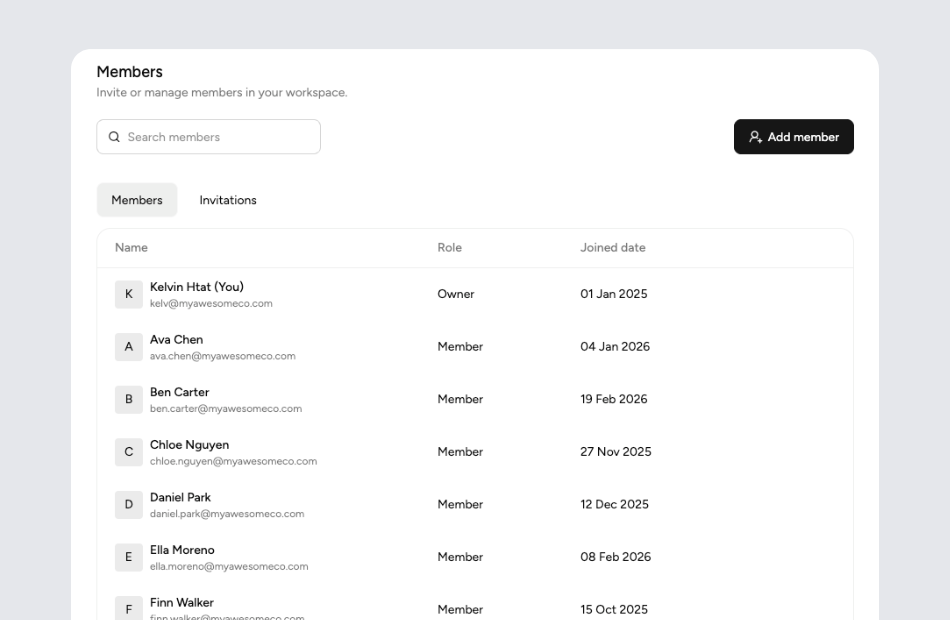
Invite controllers, department heads, and executives into the same workspace so budget owners update their numbers and everyone sees the consolidated picture.
What are AI forecasting and budgeting tools?
AI forecasting and budgeting tools help teams project future revenue, expenses, and cash flow by learning from historical data and adjustable assumptions. They typically cover budget creation, variance analysis, scenario modeling, and rolling forecasts. The goal is faster planning cycles and fewer surprises-without wrestling with fragile spreadsheet formulas every month.
Key features to look for in AI forecasting and budgeting tools
Look for flexible budget hierarchies that match your chart of accounts, support for multiple scenarios, and actuals-vs-plan comparison that updates as new data arrives. Rolling forecasts that extend automatically are more useful than static annual plans. Collaboration features matter too-budget owners should be able to update their sections without emailing files back and forth.
Why build your own AI forecasting and budgeting tools with Appaca
Off-the-shelf FP&A platforms assume a standard corporate structure with fixed modules and expensive per-seat pricing. Appaca lets you describe your unique revenue model, cost centers, and reporting cadence, then generates a forecasting workspace around that. As your business evolves-new products, different seasonality, additional departments-you refine the tool instead of migrating to a bigger platform.
Questions & answers
The best tool fits your specific revenue model, cost structure, and planning rhythm. Appaca builds a forecasting workspace from your description rather than forcing you into a one-size-fits-all finance template.
They can eliminate the manual formula maintenance and version-control headaches of spreadsheets while keeping the flexibility finance teams expect. Appaca generates editable tables and scenario views so you get structure without losing control.
You define adjustable assumptions-growth rate, headcount, churn-and Appaca creates parallel views so you can compare optimistic, base, and conservative outcomes in one place.
Yes. Early-stage companies often need lightweight forecasting that grows with them. Appaca lets you start with a simple cash flow projection and add complexity as your business scales.
Absolutely. Invite department heads, finance partners, or co-founders into the same workspace so everyone updates their numbers in one place and leadership sees a consolidated view.