Create your own bug tracker app
Tell Appaca how your team reports bugs, triages severity, and ships fixes, and it creates an issue tracker that fits your development workflow.
Trusted by incredible people at







What you can make with Appaca
Appaca is a platform for personal software, so your bug tracker app can match your stack, release cadence, and triage rules instead of a generic issue tool.
Issue tracking shaped to your release process
Create a tracker around how your team actually works, whether you ship weekly, run formal QA cycles, or need separate flows for production incidents and internal defects.

Assignments, priorities, and status together
If you want reproducibility steps, environment tags, owner assignment, severity scoring, or release milestones, Appaca can combine them in the same app.
Built-in database and team access
Every app can come with its own built-in database and can be shared with your team, so your bug tracker is ready to use right away.
Personal software for engineering teams
Start with your workflow. Appaca creates the bug tracker app around how you log, assign, and close issues, and you can keep refining it.
Start with how your team handles bugs today
Tell Appaca whether you need a simple defect list, a full triage board, customer-facing bug reports, or a hybrid with internal and external issue types.
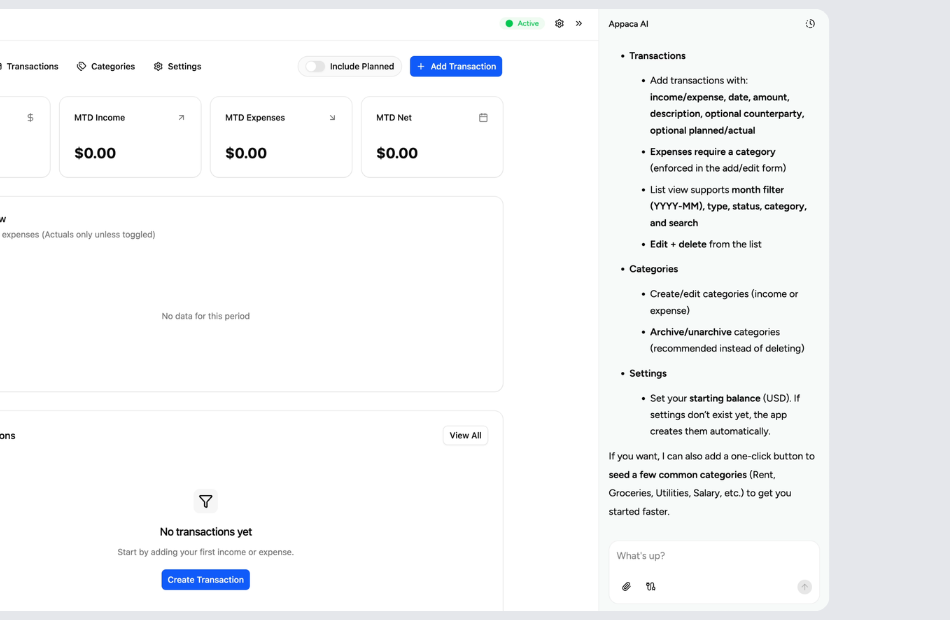
Let Appaca shape the app around your process
You can describe your severity levels, ownership model, linking to releases or environments, and what you want to capture in every report. Appaca turns that into software.
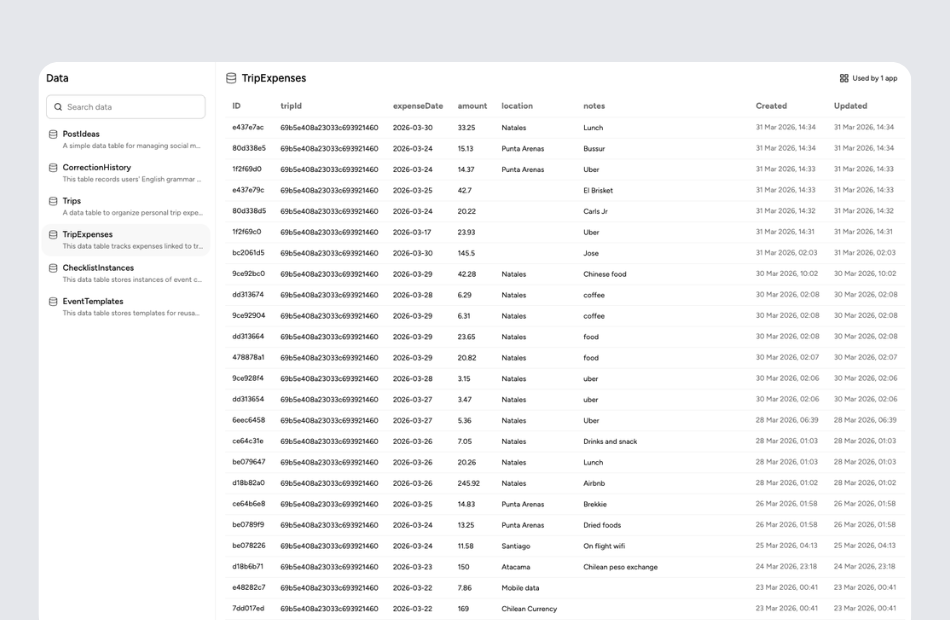
Share it with your development team right away
The app lives inside Appaca, so engineers and leads can log issues, update status, and see priorities in one place without waiting on a lengthy setup.
What is a bug tracker app?
A bug tracker app is software teams use to record defects, assign ownership, prioritize fixes, and follow issues from report to resolution. It replaces scattered spreadsheets, chat threads, and email chains with a single place where every bug has a status, history, and clear next step. Good bug tracking software helps leads see backlog health, helps developers focus on the right work, and helps QA verify that fixes actually landed.
Key features to look for in a bug tracker app
Look for structured bug reports with steps to reproduce, environment or build metadata, and attachments or links when needed. Assignment, priority, and severity fields should match how you triage. Status workflows-from open through in progress, resolved, and closed-should reflect your release process. Search, filters, and views for backlog, current sprint, or release readiness also matter so leads can answer what is blocking shipping without manual digging.
Why build your own bug tracker app with Appaca
Off-the-shelf bug tracking software forces your team into fixed fields, workflows, and terminology. Your process may blend customer issues, internal defects, and hotfixes differently than a generic tool assumes. With Appaca, you describe how your team reports, triages, and ships fixes, and you get a bug tracker app aligned to that reality. You can evolve fields and flows as your product and team change without fighting a rigid product roadmap.
Questions & answers
The best option is one your team will actually use: simple enough to log bugs quickly, structured enough to prioritize and assign work, and visible enough that nothing slips through cracks. Small teams often outgrow spreadsheets but do not need enterprise complexity. Appaca lets you describe your ideal bug tracker app and get software shaped to your team size and process.
Most teams combine severity (impact on users or systems) with priority (order to fix given capacity and deadlines). Some add labels for customer-facing issues, security, or release blockers. Your bug tracker app should make those dimensions easy to set and filter. Appaca can build prioritization fields and views that match how your leads and developers already decide what ships first.
A clear title, steps to reproduce, expected versus actual behavior, environment or version details, and screenshots or logs when helpful. Assignment and severity help triage. The goal is that another person can understand and act on the report without a long back-and-forth. Appaca can structure your bug report forms so reporters capture what engineering needs every time.
Often yes. Many products use both terms for tools that track work items, defects, and tasks. Some teams use issue trackers more broadly for features and chores, while bug trackers emphasize defects. Appaca can build a bug tracker app or a broader issue tracker depending on how you describe what you need to log and track.
Yes, when the app makes reporting as easy as email but keeps everything searchable and tied to status. Centralizing reports reduces lost threads and duplicate filings. Appaca can include intake forms or views so stakeholders report bugs in one system while your development team works from the same backlog.