Business process automation software built around your workflows
Describe a process your team runs manually and Appaca builds an app that automates the steps, tracks progress, and keeps everyone aligned. No visual flow editor or developer required - try it free.
Trusted by incredible people at







What you can make with Appaca
Business processes are specific to each company. Appaca creates the automation app from your description so it reflects your actual steps and participants, not a predefined template.
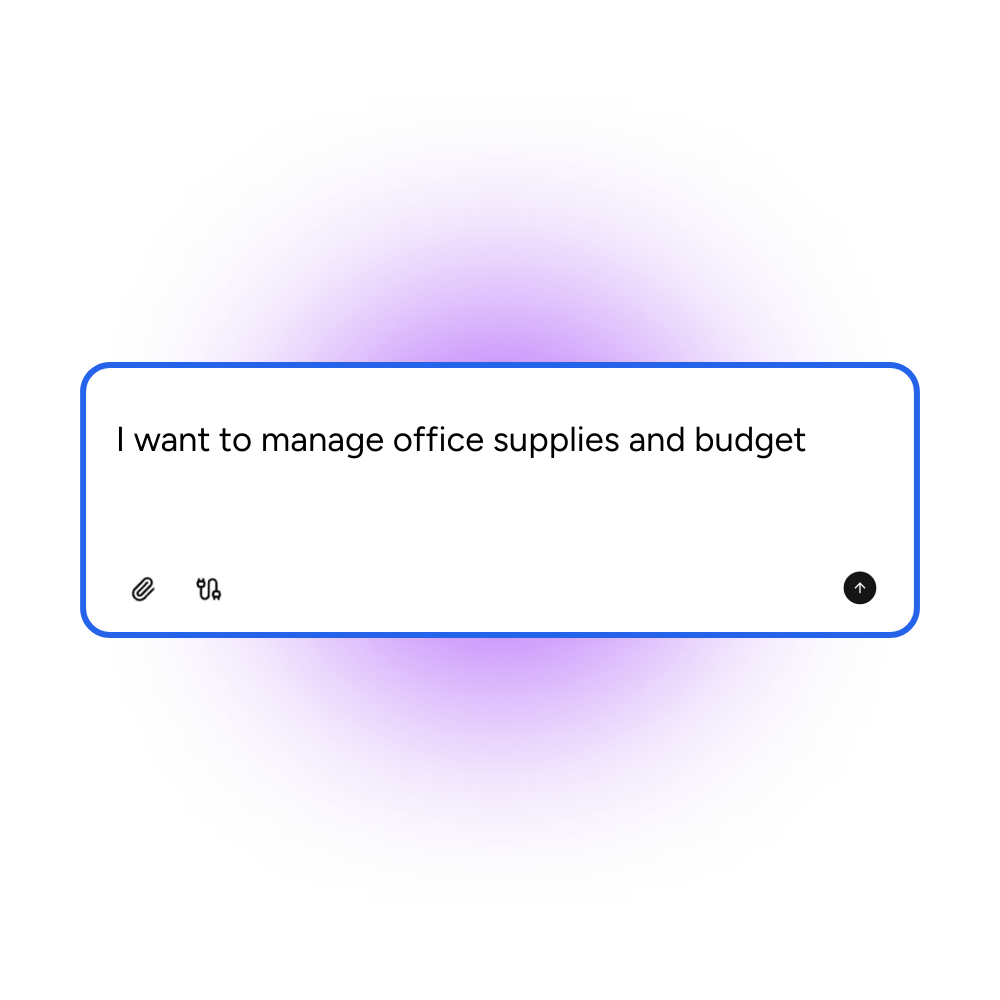
Automate any process, not just predefined templates
Describe the steps, participants, and decisions in your process. Appaca builds the automation logic around your specific sequence instead of a fixed template.

Track every process instance from start to finish
Every process run is tracked with its current stage, history, and ownership so your team can see where things stand and managers can see what is open or overdue.
Update processes as your business changes
When a step changes or a new participant is added, describe the update to Appaca and it adjusts the automation without rebuilding from scratch.
Software built to run your team's actual business processes
Start with a process your team runs manually today. Appaca creates the automated version from your description of how it works.
Start with a process your team runs manually today
Describe the steps involved, who is responsible at each stage, and what information needs to move between them. Appaca uses that to build the automated version.
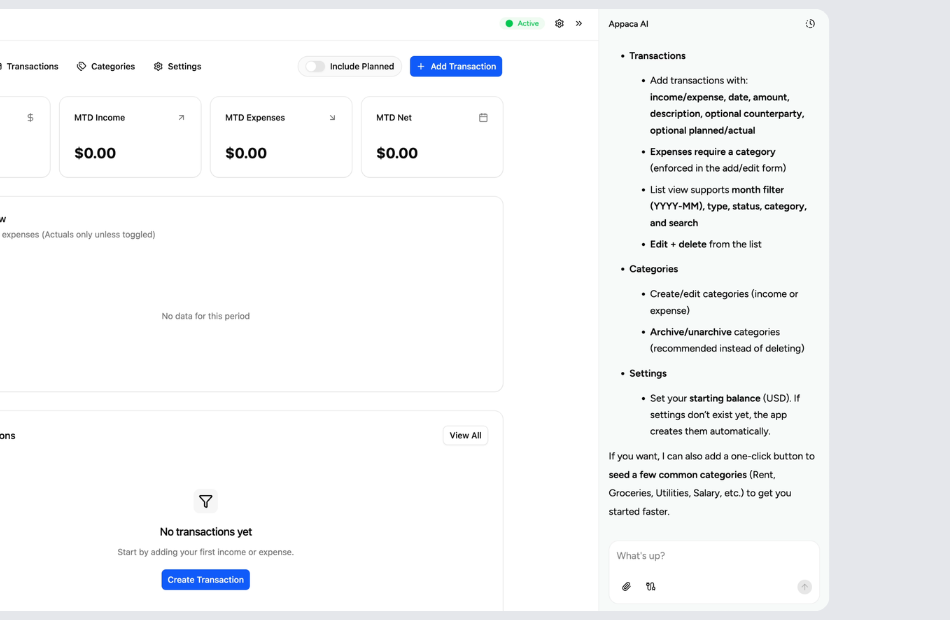
Let Appaca build the routing, notifications, and status tracking
Tell Appaca what should happen at each step - who gets notified, what triggers the next stage, and what needs to be recorded. Appaca creates the logic and the interface.
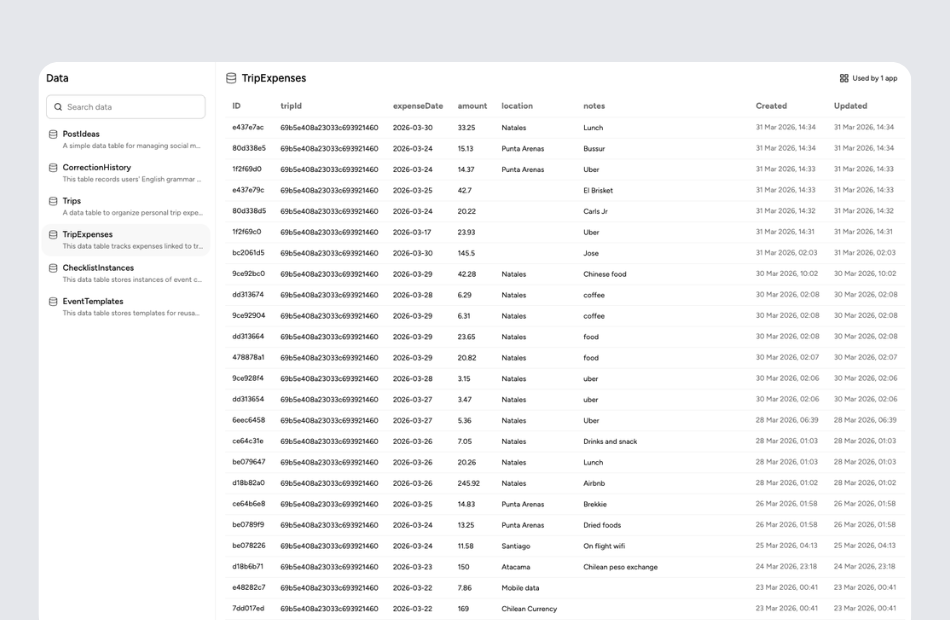
Share it with the team and replace the manual version
Because the app lives in Appaca, there is no deployment step. Add team members and start running the process through it the same day.
What is business process automation software?
Business process automation software replaces manual, repetitive steps in a business workflow with a structured, trackable system. Instead of passing information through email and spreadsheets, a process automation tool routes tasks to the right people, tracks status, and records decisions at each step. It is used for anything from onboarding checklists and compliance reviews to content sign-offs and budget routing.
Key features to look for in business process automation software
The ability to define custom steps and logic is more important than a large library of predefined templates - your processes are specific to your business. Status tracking and audit trails help you see where a process instance stands and review what happened after the fact. Notifications that trigger at the right step reduce manual follow-up. The tool should also be easy to update when processes change, which they always do.
Why build your own business process automation with Appaca
Most process automation tools require you to map out flows with a visual builder and connect steps to external systems. Appaca creates the automation app from a description of the process, so you do not need to build a flowchart to get started. Because the app is hosted in Appaca with storage and team access included, there is no infrastructure to maintain as the number of processes you automate grows.
Questions & answers
Business process automation replaces manual, human-driven steps in a workflow with a system that routes tasks, tracks status, and records decisions automatically. It reduces the time spent on repetitive coordination and makes processes easier to audit and improve. Appaca creates automation apps from descriptions of processes your team currently runs manually.
Appaca can automate any process that has defined steps and participants. Common examples include new hire onboarding checklists, budget request routing, content review processes, vendor onboarding, and compliance sign-offs. If you can describe the steps, Appaca can build a tool that runs them.
Business process automation focuses on end-to-end processes with multiple participants, stages, and decisions. Workflow automation often refers to smaller task sequences or system integrations. In practice the terms overlap significantly. Appaca handles both - from single-step routing to multi-stage processes with different participants at each step.
No. Appaca creates the automation app from a plain-language description of the process. You describe who does what, when, and what information moves between steps, and Appaca builds the tool.
Yes. When a process changes, describe the update to Appaca and it adjusts the logic. You do not have to rebuild the automation from scratch every time a step changes or a new team member is added.