Create your own CMS platform
Tell Appaca how your content is structured and it creates a CMS that fits your content types, editorial workflow, and publishing needs without fighting rigid page builders.
Trusted by incredible people at







What you can make with Appaca
Appaca is a platform for personal software, so your CMS can match your content model, approval chain, and publishing cadence instead of a generic blog template.
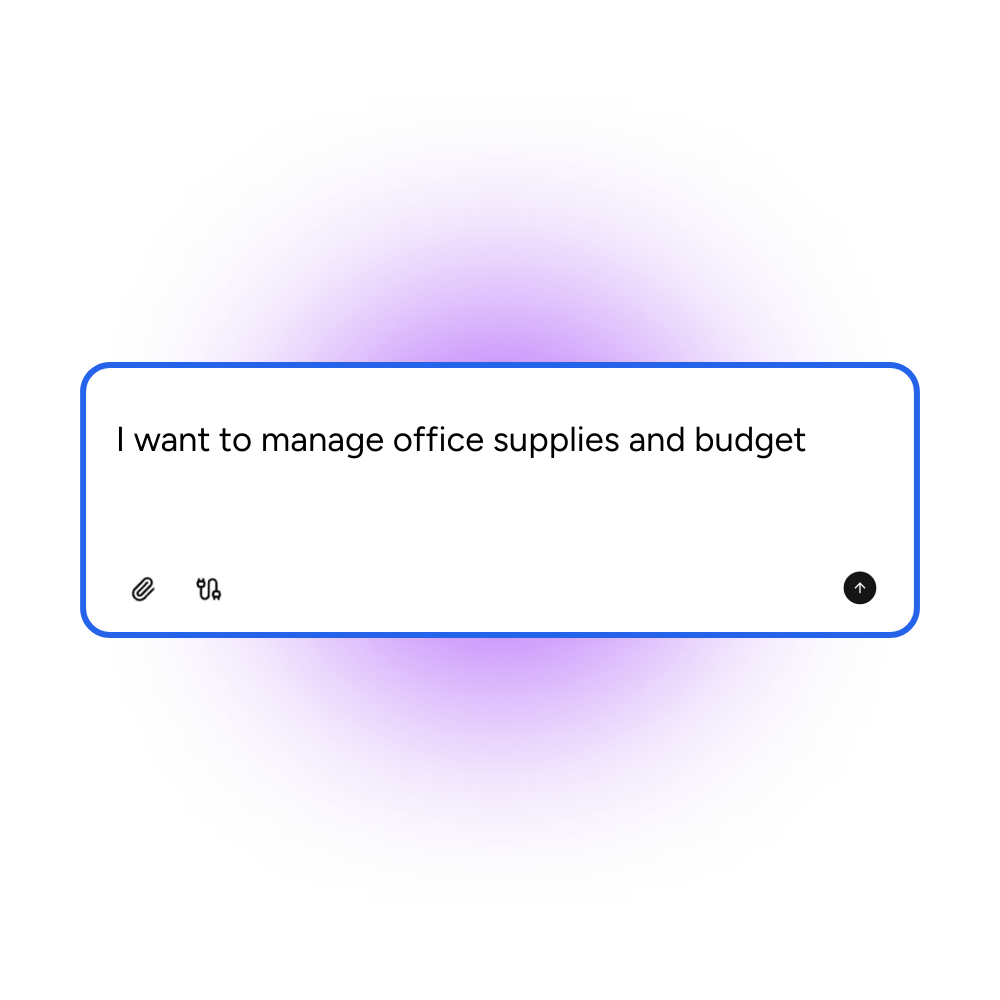
Content structures built for your domain
Define your own content types, custom fields, taxonomies, and relationships so the CMS reflects how your content actually works, not how a template assumes it does.

Editorial workflow and media in one place
Combine drafts, review stages, scheduled publishing, and a media library in a single workspace instead of stitching together separate tools.

A CMS that evolves with your content strategy
The app lives inside Appaca, so you can add new content types, adjust workflows, or restructure taxonomies as your content needs grow.
Personal software for content teams
Start with your content model. Appaca creates the CMS around your structure, and you can keep refining it as your publishing needs evolve.
Start with the content you manage
Tell Appaca about your content types, whether blog posts, product pages, help articles, or landing pages, and how they relate to each other.
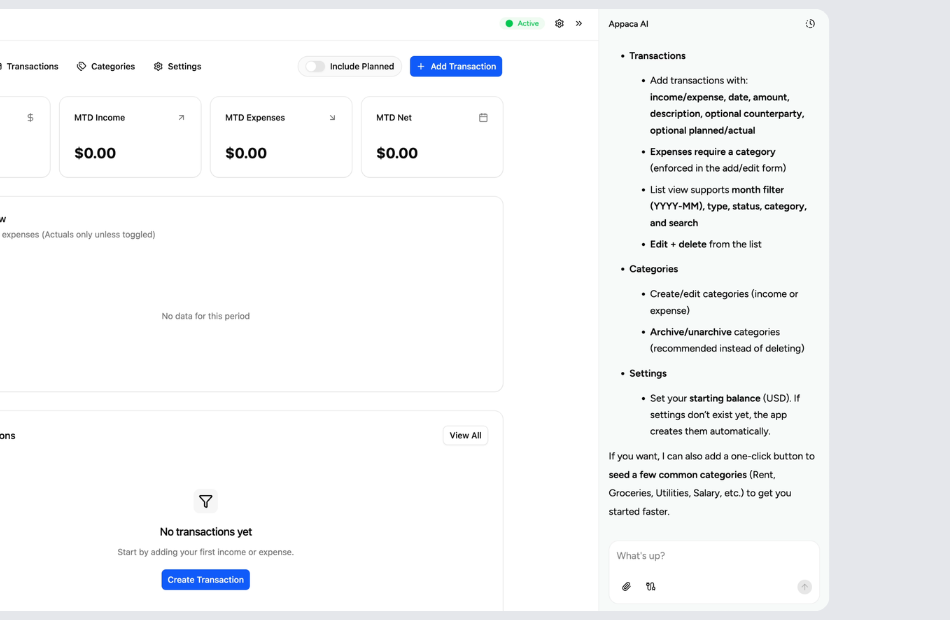
Let Appaca shape the editorial experience
You can describe your draft-review-publish cycle, author roles, SEO fields, and scheduling needs. Appaca turns those details into a working CMS.
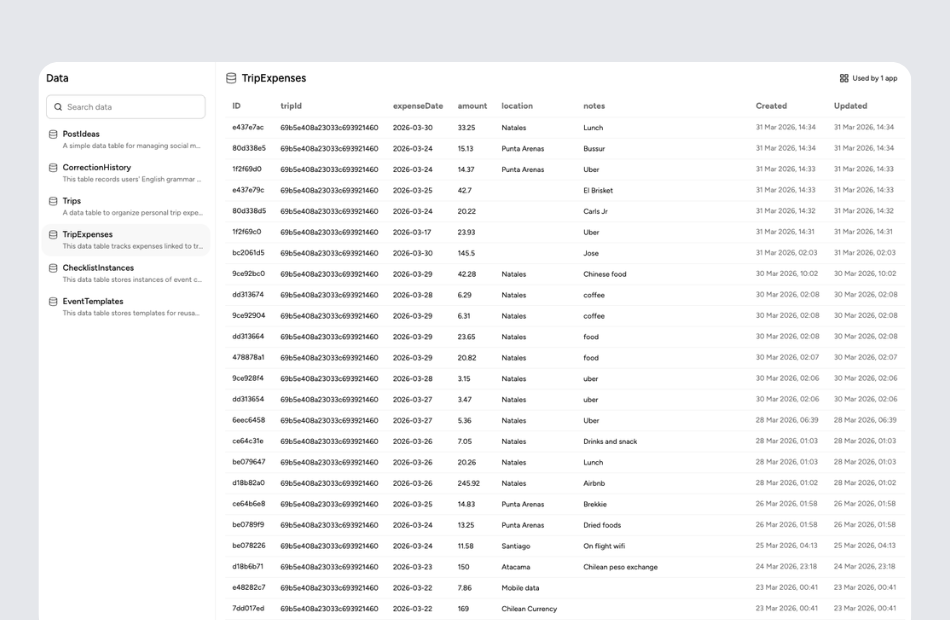
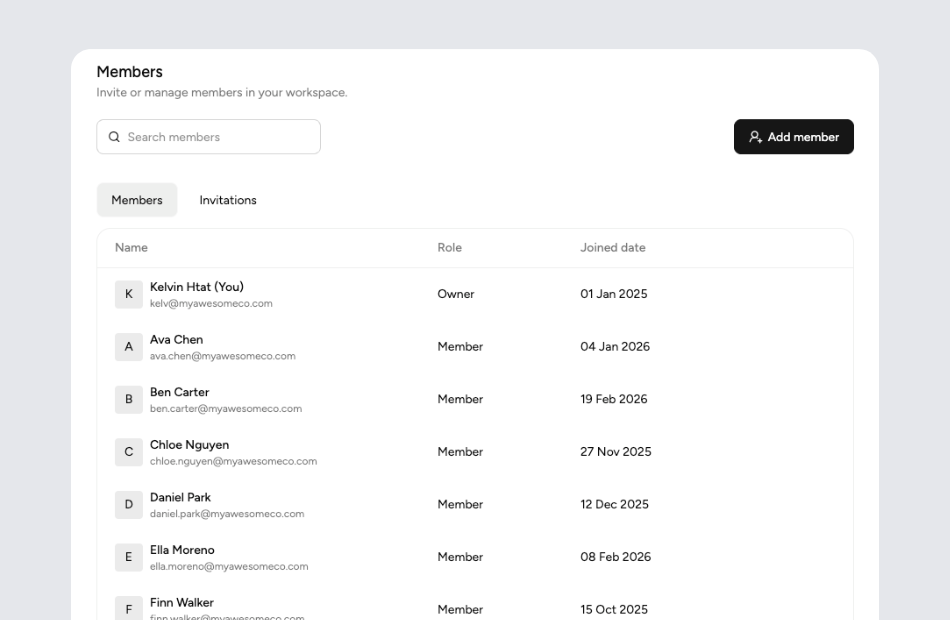
Share it with writers and editors
Invite authors, editors, and stakeholders into the same workspace with role-based access so content moves through your pipeline smoothly.
What is a CMS platform?
A content management system is software that lets you create, organize, edit, and publish digital content without writing code for every page. It provides structured content types, media management, and publishing workflows so teams can focus on creating content rather than managing files. Modern CMS platforms range from traditional page builders to headless systems that deliver content through APIs.
Key features to look for in a CMS platform
Look for flexible content modeling with custom fields and relationships, a clear editorial workflow with draft, review, and publish states, and role-based permissions for authors and editors. Scheduled publishing, version history, media management, and SEO controls are also important. The best CMS platforms adapt to your content structure rather than forcing you into a predefined page hierarchy.
Why build your own CMS platform with Appaca
Traditional CMS platforms either lock you into opinionated templates or require developer time to customize content models. With Appaca, you describe your content types, editorial process, and publishing rules, and get a CMS that matches your workflow from day one. As your content strategy shifts, you can restructure fields, add new content types, or change approval chains without a migration project.
Questions & answers
You can manage any content type your business needs: blog posts, product pages, help center articles, landing pages, press releases, or internal documentation. With Appaca, you define the fields and structure for each type so the CMS matches your content model exactly.
An effective editorial workflow moves content through stages like draft, in review, approved, and published, with clear ownership at each step. Appaca lets you describe your approval chain and it builds the workflow into your CMS, so nothing gets published without the right sign-off.
Yes, scheduled publishing is essential for content calendars and campaign launches. Appaca can include publish-date fields and scheduling logic so content goes live exactly when you plan.
WordPress and Notion are general-purpose tools with fixed structures. A custom CMS built with Appaca starts from your specific content model, workflows, and publishing rules, so you do not spend time working around features designed for someone else.
Yes, collaborative editing is a core requirement for content teams. Appaca lets you invite writers, editors, and administrators into the same workspace with role-based access, so everyone works in context without stepping on each other.