Create your own fitness dashboard
Tell Appaca how you train and what progress you want to track, and it creates a fitness dashboard that fits your routine without being locked into a one-size-fits-all workout app.
Trusted by incredible people at







What you can make with Appaca
Appaca is a platform for personal software, so your fitness dashboard can match your training style, preferred metrics, and personal goals instead of a generic workout log.
Fitness tracking shaped to your routine
Organize workouts by type, muscle group, or training block so the dashboard reflects how you actually structure your training.
Workouts, body metrics, and goals together
See training volume, body composition changes, and goal progress in one view so you connect daily effort to long-term results.
A dashboard that evolves with your fitness
Switch training programs, add new metrics, or adjust goals in Appaca as your fitness level and priorities change.
Personal software for active people
Start with how you train today. Appaca creates the dashboard around your exercises and goals, and you can keep refining it as your training evolves.
Start with your training style
Tell Appaca whether you lift weights, run, do yoga, or mix multiple disciplines, and what metrics you want to see after each session.
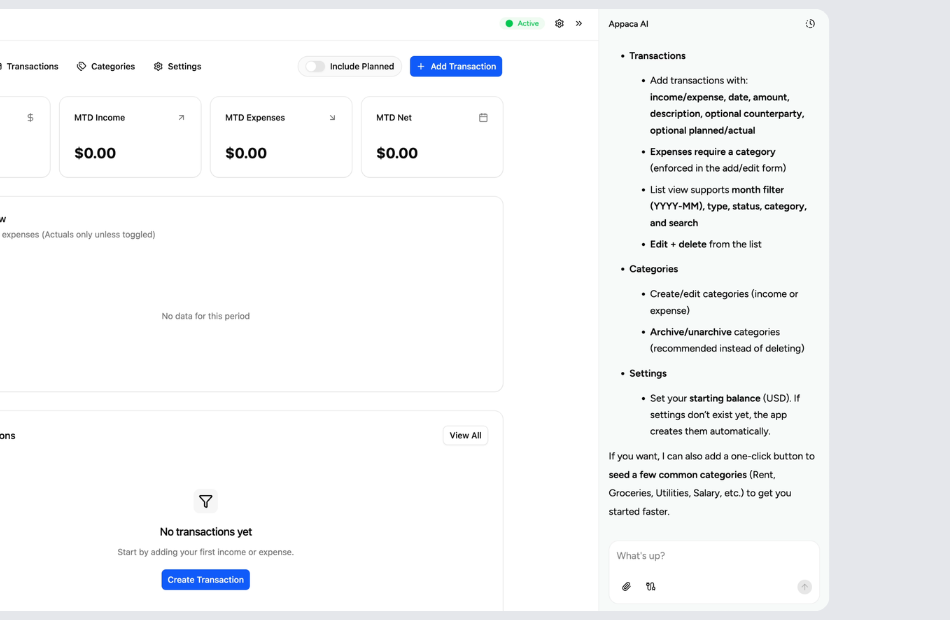
Let Appaca shape the dashboard around your goals
You can describe your targets, whether that is hitting a new PR, losing body fat, or running a faster mile, and how you want progress displayed.
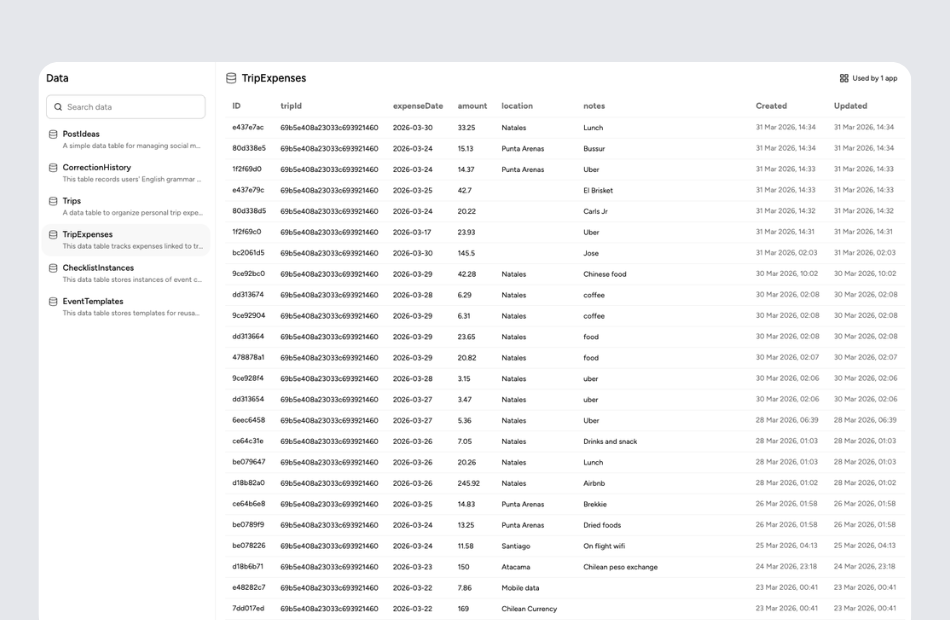
Share it with your trainer or workout partner
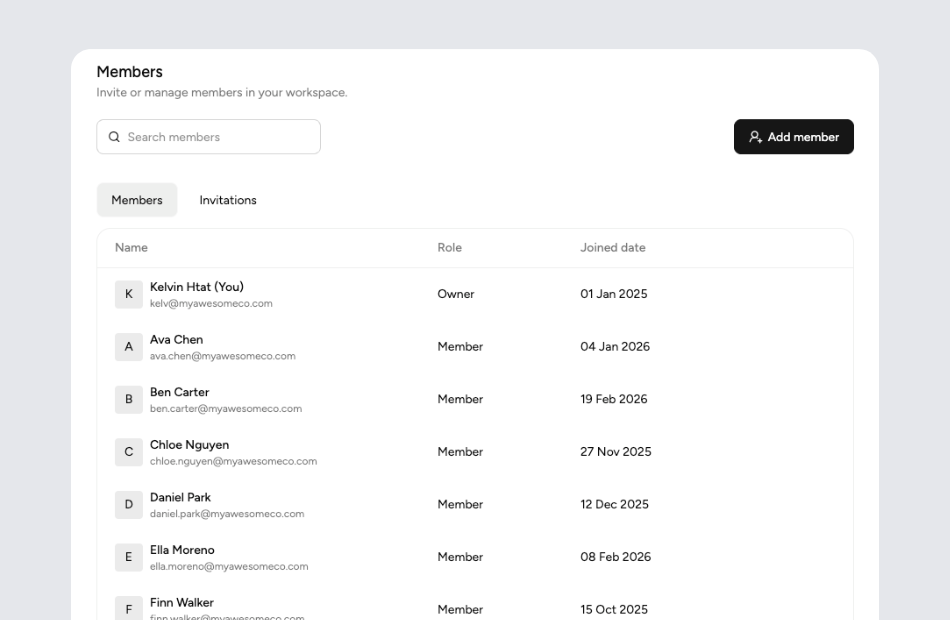
Invite a coach or training partner into the same workspace so they can see your progress and help you stay accountable.
What is a fitness dashboard?
A fitness dashboard is a personal interface that consolidates workout logs, body metrics, and goal progress into one view. It helps you see patterns in your training, track improvements over weeks and months, and stay motivated by making progress visible. Unlike basic workout logs, a dashboard connects individual sessions to your bigger fitness picture.
Key features to look for in a fitness dashboard
Look for workout logging with exercise, sets, reps, and weight tracking, body metric charts for weight, measurements, and body fat, and goal progress indicators. The best fitness dashboards also include weekly volume summaries, personal record highlights, and the ability to compare performance across different training blocks or time periods.
Why build your own fitness dashboard with Appaca
Most fitness apps force you into their workout structure and tracking format, which rarely matches how you actually train. With Appaca, you describe your training style, the metrics you care about, and your goals, and get a dashboard built around your routine. As your program changes or you pick up a new sport, you can adapt the dashboard instead of switching apps.
Questions & answers
The right metrics depend on your goals. Strength athletes track sets, reps, and weight; runners track distance, pace, and heart rate; general fitness enthusiasts track workout frequency and body composition. Appaca lets you choose exactly which metrics to log and display so the dashboard matches your training priorities.
Progress tracking requires consistent logging and visual trend lines that show change over weeks and months. Appaca can build progress charts for any metric you track, whether that is bench press weight, running pace, or body measurements, so improvement is visible at a glance.
Yes, many people combine strength training, cardio, flexibility work, and sports. Appaca lets you log different workout types with their own relevant metrics while still seeing overall training volume and consistency on a single dashboard.
Start with your current baseline and set incremental targets based on typical progression rates for your activity. Appaca lets you define goals and milestones, then displays progress alongside your workout data so you can see whether you are on track and adjust targets as needed.
Yes, invite your trainer or coach into your Appaca workspace so they can review your workout logs, progress trends, and body metrics. This keeps coaching conversations grounded in real data and eliminates the need to send screenshots or manual summaries after each session.