Create your own flashcard app
Tell Appaca what you are studying and how you like to review, and it creates a flashcard system that fits your learning style without being locked into a rigid study app.
Trusted by incredible people at







What you can make with Appaca
Appaca is a platform for personal software, so your flashcard app can match your study habits instead of a generic quiz interface.
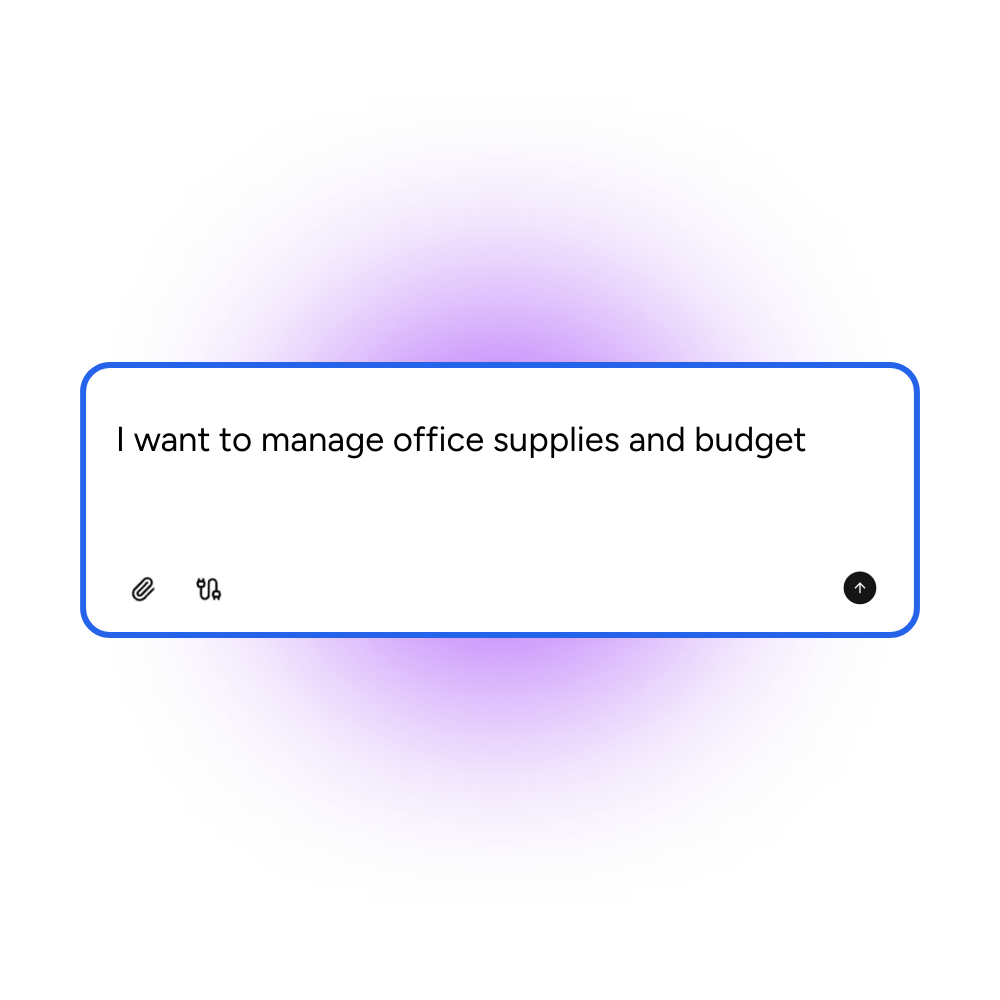
Decks structured around what you are learning
Create card sets organized by subject, chapter, difficulty, or any grouping that makes sense for your study plan. Each deck can hold text, images, or audio.

Review schedules that adapt to your progress
Spaced repetition surfaces cards you struggle with more often and spaces out cards you know well, so study sessions focus on what actually needs reinforcement.

A study tool you can keep refining
Add new decks, adjust review intervals, and change card formats as your learning evolves. The app grows with you inside Appaca.
Personal software for learners and students
Start with what you need to memorize. Appaca creates the flashcard system around your study method, and you can keep adjusting it as courses change.
Start with your subject and study method
Tell Appaca what you are studying-languages, medicine, law, programming-and how you like to review. That becomes the foundation of your flashcard app.
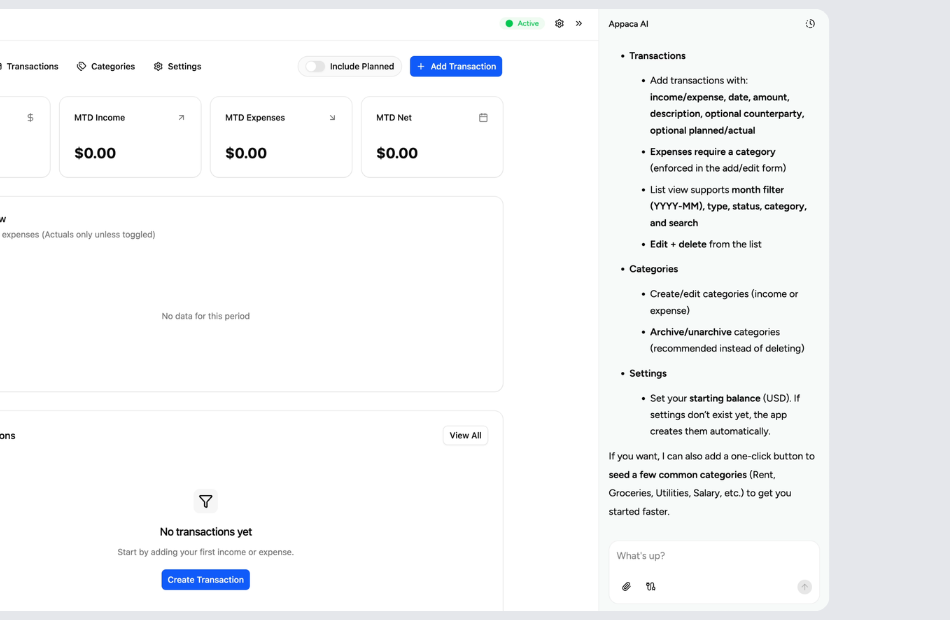
Let Appaca shape the cards and review flow
Describe the card layout, review modes, and progress tracking you want. Appaca generates a study app with spaced repetition, self-grading, and mastery indicators.
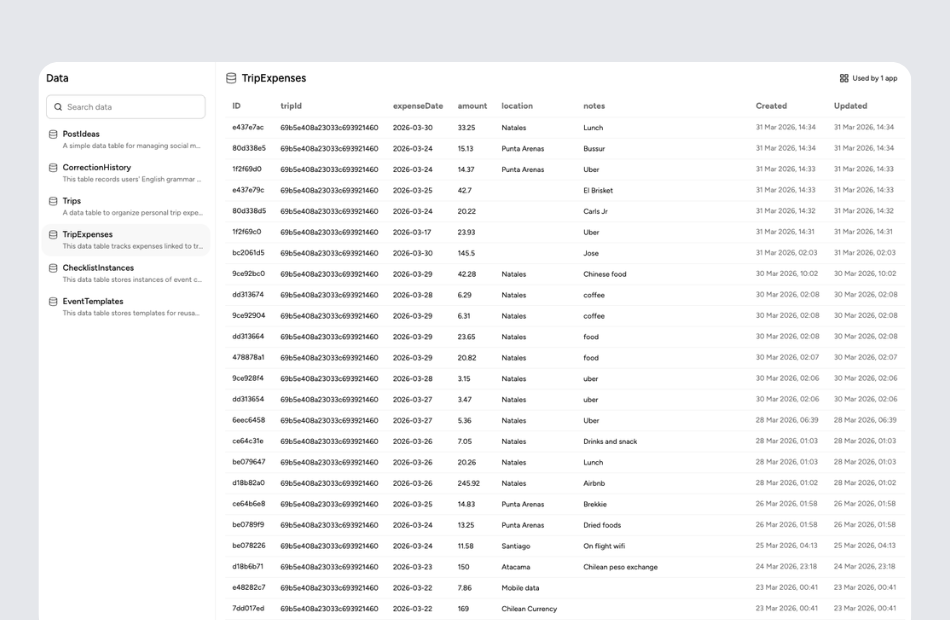
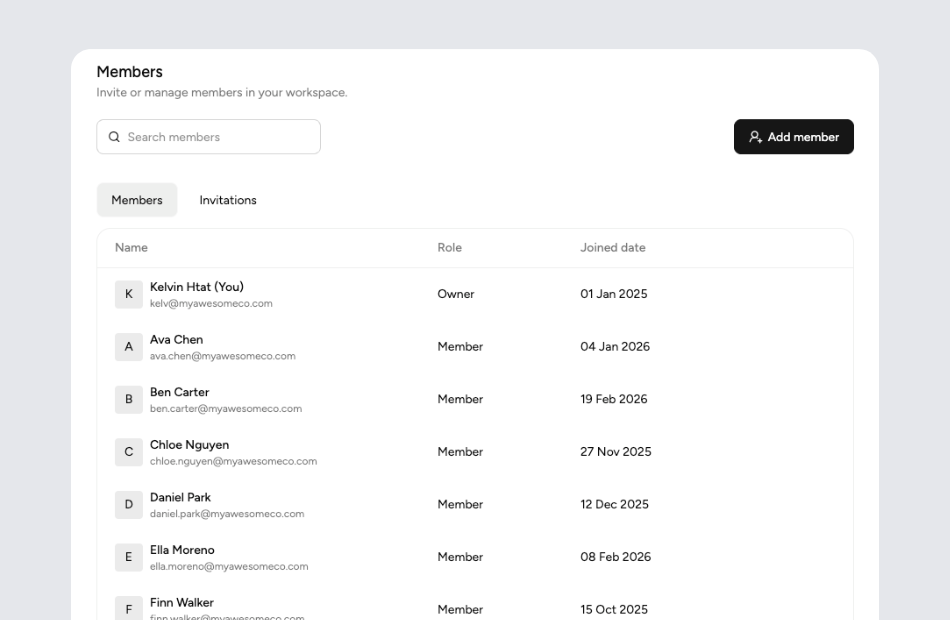
Share decks with classmates or study groups
Invite others into the same workspace to share card decks, study together, and track collective progress on shared material.
What is a flashcard app?
A flashcard app is a digital study tool that presents information on virtual cards with a question or prompt on one side and the answer on the other. Modern flashcard apps use spaced repetition algorithms to schedule reviews based on how well you know each card, making study sessions more efficient. They are used for language learning, exam preparation, medical studies, and any subject that requires memorization.
Key features to look for in a flashcard app
Effective flashcard apps offer spaced repetition scheduling, support for rich card content like images and audio, deck organization with tags or categories, and progress tracking with streaks and mastery levels. Self-grading during review sessions helps the algorithm learn what you know. Bulk card creation and import options save time when building large decks.
Why build your own flashcard app with Appaca
Most flashcard apps assume a single study format and lock you into their review algorithm. Appaca lets you describe your ideal study experience-card layouts, deck organization, review intervals, progress metrics-and builds a flashcard system around that. Whether you are learning vocabulary, preparing for a certification, or memorizing procedures, the app matches your method.
Questions & answers
Spaced repetition is a study technique that shows you cards at increasing intervals as you learn them. Cards you struggle with appear more frequently while mastered cards are spaced out. Appaca can build this scheduling into your flashcard app so every study session is focused and efficient.
Yes. Appaca can build cards that support text, images, audio clips, and formatted content. This is especially useful for language learning, anatomy studies, and any subject where visual or audio cues aid memorization.
Anki is powerful but has a steep learning curve with complex configuration. Appaca builds a flashcard app shaped to your study needs from a plain-language description. You get the study features you want without wrestling with settings and plugins.
Absolutely. Invite classmates or study partners into your Appaca workspace to share decks, study collaboratively, and track progress together.
Yes. Flashcard apps are widely used for certifications in IT, medicine, law, finance, and other fields. Appaca lets you build a study app with the specific question formats, categories, and progress tracking your certification requires.