Internal tools built around how your team actually works
Describe what your team needs and Appaca creates a working internal tool - with a built-in database, team access, and no developer, hosting, or deployment required. Try it free today.
Trusted by incredible people at







What you can make with Appaca
Internal tools are specific to the team that uses them. Appaca creates yours from a description so it fits your actual process instead of a template someone else designed.
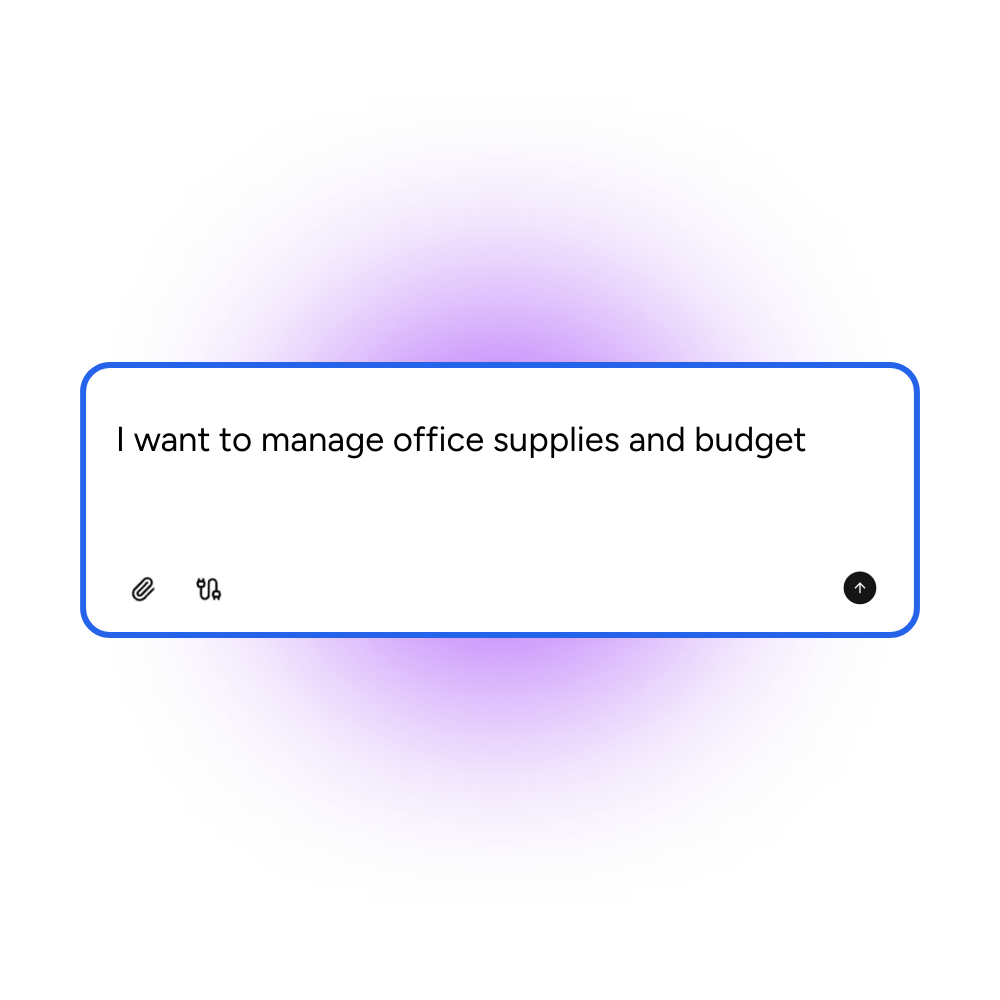
Internal tools built around your actual process
Describe the screens, logic, and data your team needs. Appaca creates the tool without requiring you to configure templates or connect external systems.

Update tools by describing what changed
When a field changes or a new requirement comes in, describe it and Appaca updates the app. No tickets to engineering required.

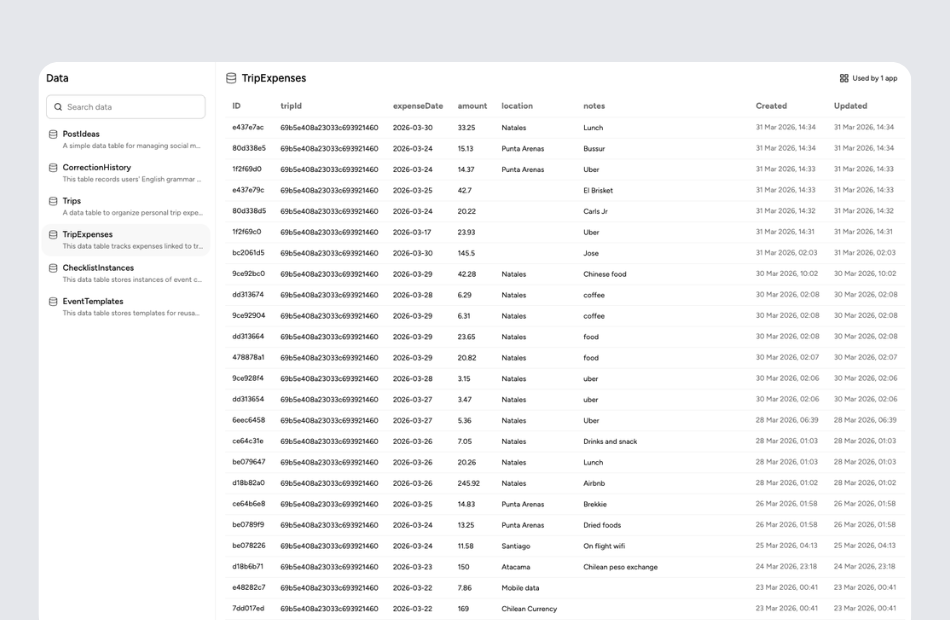
Built-in database and team workspace included
Every tool stores its data in a built-in database. Share access with your team so everyone works in the same place from day one.
Internal software built for your team's specific process
Start with what your team is doing today. Appaca turns that description into a proper internal tool.
Start with what your team is doing today
Describe the spreadsheets, emails, or manual steps your team relies on. Appaca uses that as the starting point to build a proper internal tool around your existing process.
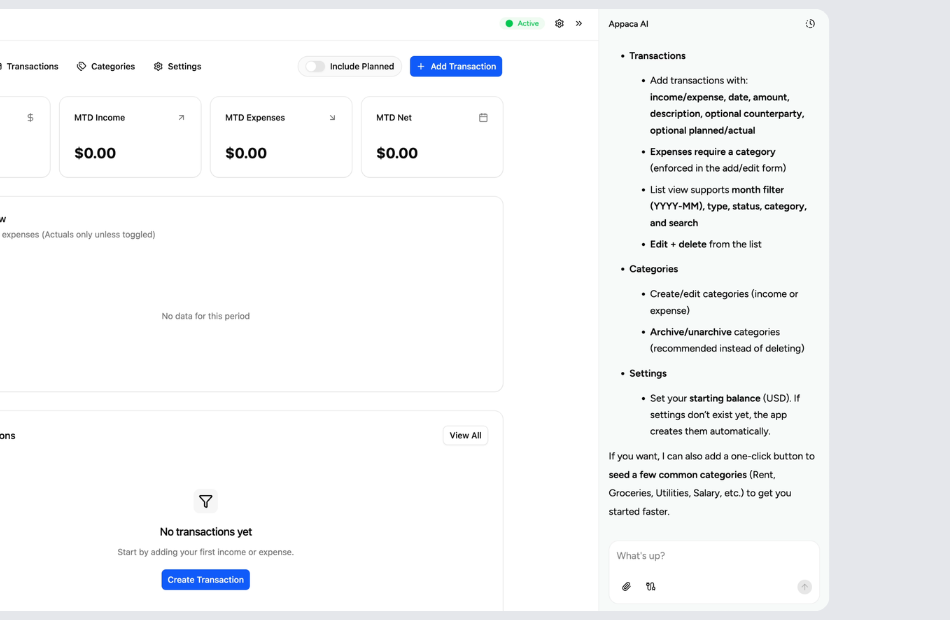
Let Appaca shape the app around your data and rules
Tell Appaca what fields, statuses, and relationships your process needs. Appaca creates the views and logic that fit your workflow without any component configuration.
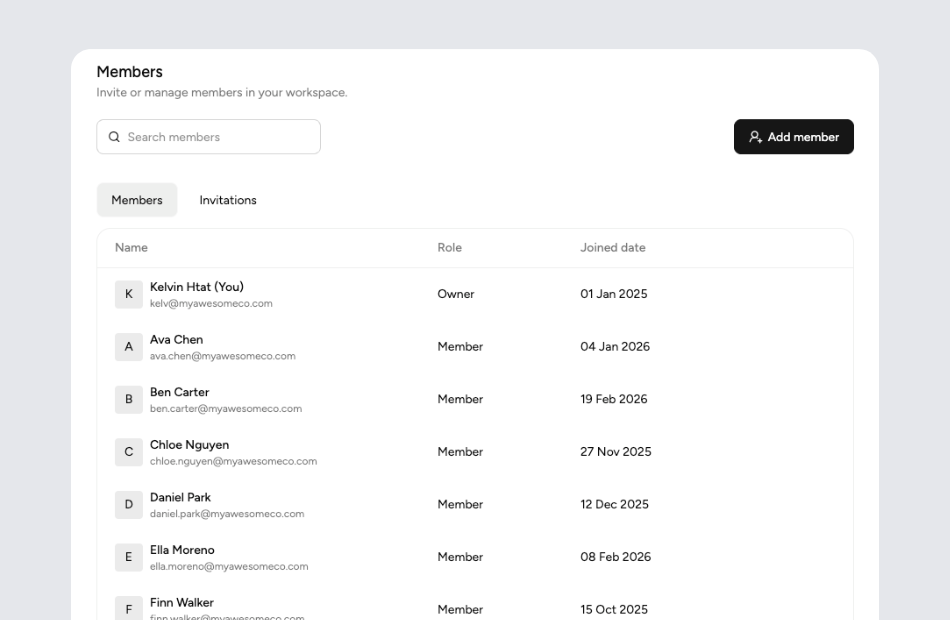
Share it with your team right away
Because the tool lives in Appaca, there is no deployment step. Invite team members and start using it the same day it is created.
What is an internal tool builder?
An internal tool builder is a platform that lets you create custom software for your team without writing code. Instead of buying a SaaS product that only partially fits, you describe what your process needs and the builder creates it. Teams use internal tool builders for admin panels, dashboards, request portals, and any workflow that generic software handles poorly.
Key features to look for in an internal tool builder
Look for a builder that turns a description into working software without a build-and-deploy cycle. Built-in data storage removes the need to configure a separate database for every tool. Team access controls let you share tools immediately without a separate identity setup. The ability to update tools as processes change is as important as getting the first version right.
Why build your internal tools with Appaca
Most internal tool builders still require technical skills - drag-and-drop components, database connections, or custom code. Appaca creates the tool from your description so anyone on the team can get a working app without those steps. The app lives in Appaca with hosting, storage, and team access already included, which means there is nothing to maintain outside the tool itself.
Questions & answers
An internal tool is custom software used by a team rather than sold to customers. It might be an admin panel, a request tracker, a dashboard, or any app that handles a specific business process. Appaca lets you describe what you need and creates the tool for you.
With a traditional approach, even a simple internal tool can take days or weeks of developer time. Appaca creates a working version from your description in minutes, and you can refine it through conversation as requirements change.
No. Appaca is built for anyone who can describe what they need in plain language. You do not need to know how to code, design, or deploy software to get a working internal tool.
You can build admin panels, request portals, approval queues, dashboards, employee directories, inventory trackers, CRM views, and any other tool your team needs to run a process. If you can describe it, Appaca can build it.
Retool and similar platforms are drag-and-drop builders designed for developers. Appaca creates apps from descriptions, so you do not need technical skills. There is also no deployment, hosting setup, or database configuration - everything is included.