Create your own mood tracker app
Tell Appaca how you want to log emotions, track patterns, and reflect on your days, and it creates a mood tracker that fits the way you process feelings.
Trusted by incredible people at







What you can make with Appaca
Appaca is a platform for personal software, so your mood tracker can match your emotional vocabulary, check-in rhythm, and reflection style instead of a fixed template.
Mood logging shaped to how you feel
Create an app around your own emotion scale, whether that is simple happy-to-sad ratings, detailed emotion wheels, or custom labels that match how you actually describe your days.

Patterns, notes, and triggers together
If you want to track what affects your mood like sleep, exercise, weather, or social activity, Appaca can combine those factors with your daily logs in the same app.
A tracker you can keep refining
The app lives inside Appaca, so you can use it right away and keep adjusting the categories, views, and check-in flow as you learn what matters most.
Personal software for emotional awareness
Start with your use case. Appaca creates the app around how you want to understand your moods, and you can keep refining it over time.
Start with how you actually want to check in
Tell Appaca whether you want a quick daily rating, a detailed emotion journal, or a mood tracker with tags for activities, sleep, and energy levels.
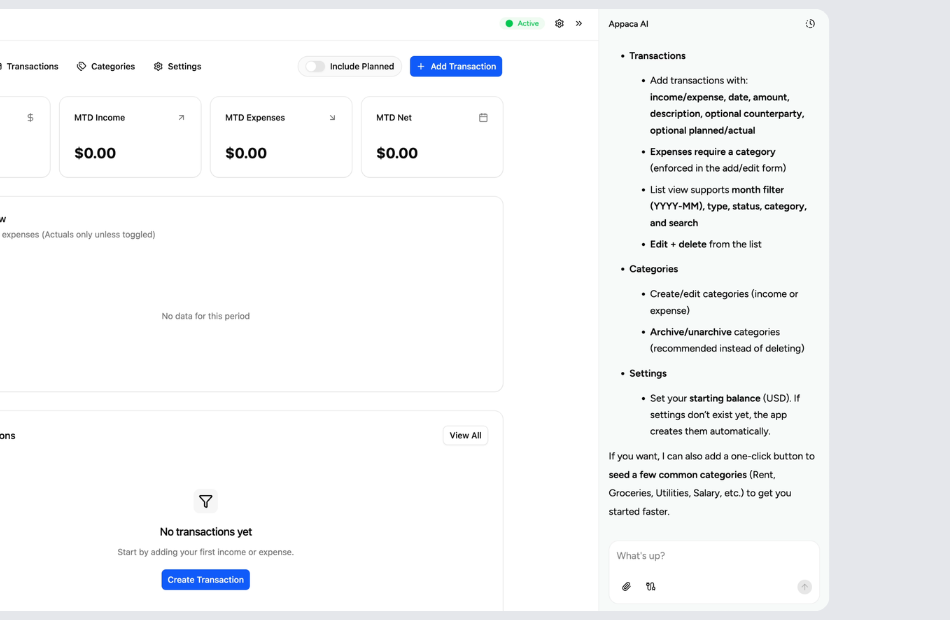
Let Appaca shape the app around your details
You can describe which emotions to track, what triggers matter, and how you want to see trends over time. Appaca turns that into software.
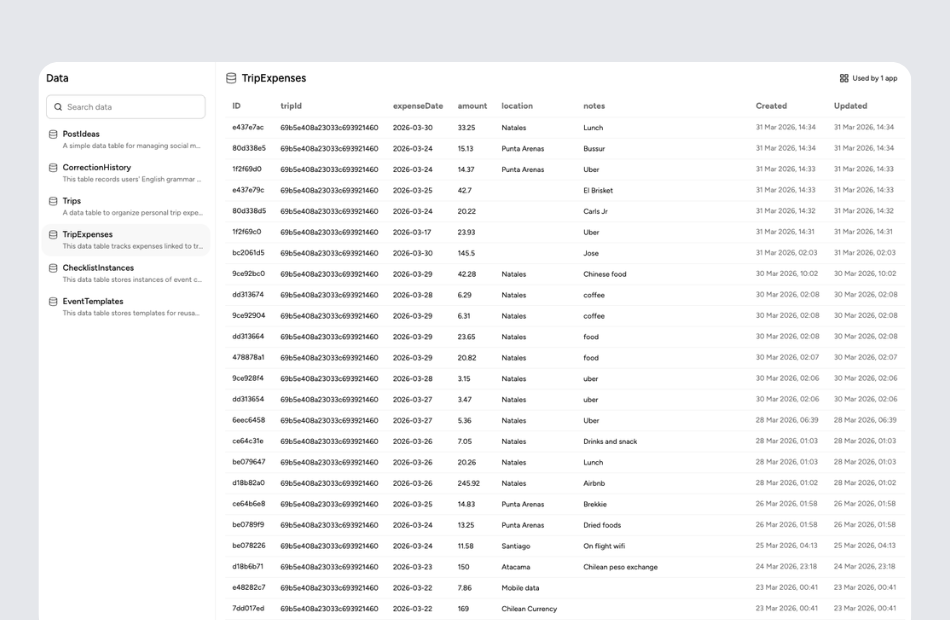
Keep changing the app as your needs evolve
If you want new emotion categories, different visualizations, or extra context fields later, you can keep refining the app with Appaca.
What is a mood tracker?
A mood tracker is a tool that helps you record and understand your emotional patterns over time. By logging how you feel each day along with potential triggers and context, you build a personal dataset that reveals connections between your lifestyle and emotional wellbeing. Regular mood tracking has been shown to increase emotional intelligence and help identify early warning signs of burnout or low periods.
Key features to look for in a mood tracker
Effective mood trackers include flexible emotion scales that go beyond simple happy or sad ratings, the ability to log contributing factors like sleep, exercise, and social interactions, and visual trend views that show patterns over weeks and months. Look for customizable check-in reminders, the option to add journal notes alongside ratings, and privacy controls that keep sensitive emotional data secure.
Why build your own mood tracker with Appaca
Generic mood apps assume everyone experiences and categorizes emotions the same way, but emotional awareness is deeply personal. Some people track energy and anxiety separately while others use color-coded emotion wheels. Appaca lets you describe your own check-in flow, emotion vocabulary, and pattern views, then builds a tracker around exactly that. As your self-awareness grows, you can reshape the app to capture new dimensions without starting over.
Questions & answers
Most people benefit from checking in once or twice daily, typically in the morning and evening. Consistency matters more than frequency since regular entries reveal patterns that occasional logs miss. Appaca lets you set up check-in reminders at whatever times work for your schedule, whether that is a quick morning rating or a detailed evening reflection.
Common factors include sleep quality, exercise, caffeine intake, social interactions, weather, and work stress. Tracking these alongside mood helps you spot correlations, like noticing that poor sleep consistently precedes low days. With Appaca, you can add whatever context fields matter to you and adjust them over time.
Research supports that regular mood tracking increases emotional awareness and helps people identify triggers before they escalate. It is a core practice in cognitive behavioral therapy. While tracking alone is not a substitute for professional support, it gives you data to understand yourself better and communicate more clearly with therapists or counselors.
A mood tracker focuses on structured data like ratings, tags, and patterns, making it easy to spot trends over time. A journal is more freeform, capturing thoughts and reflections in narrative form. Many people benefit from combining both. Appaca lets you build a tracker that includes journaling prompts alongside structured mood entries.
Most people begin noticing patterns within two to four weeks of consistent tracking. Seasonal and monthly patterns take longer to emerge, typically two to three months. The key is consistency rather than detail. Appaca can build trend views that highlight weekly and monthly patterns as your data grows.