Create your own remote work tools
Tell Appaca how your distributed team communicates, shares updates, and stays aligned, and it creates remote work software that fits your async rhythm without juggling five separate apps.
Trusted by incredible people at





What you can make with Appaca
Appaca is a platform for personal software, so your remote workspace can match your team rhythm instead of a generic collaboration suite built for office-first companies.
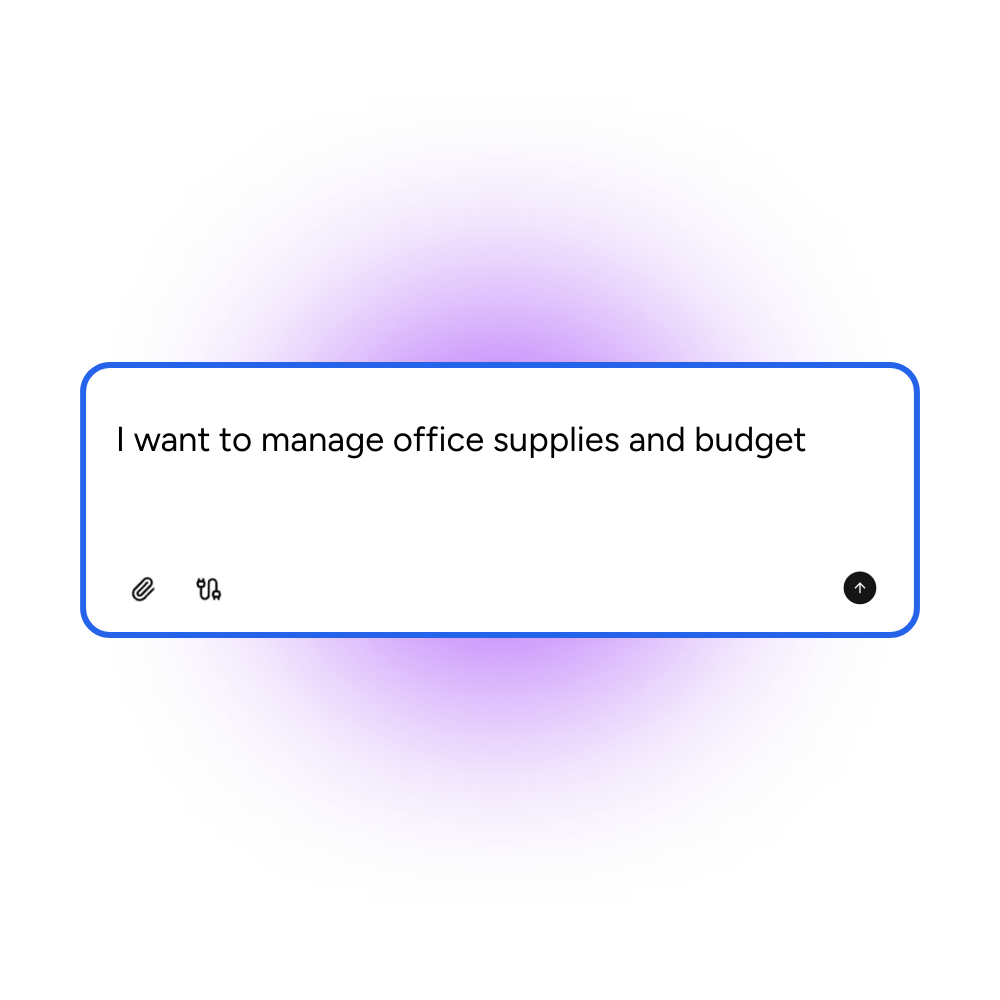
Async updates that replace unnecessary meetings
Create structured check-ins where everyone posts progress, plans, and blockers on their own schedule-visible to the whole team without a synchronous call.
Team visibility across time zones
See who is working on what, when they are available, and where projects stand-without pinging people in different time zones for a status update.
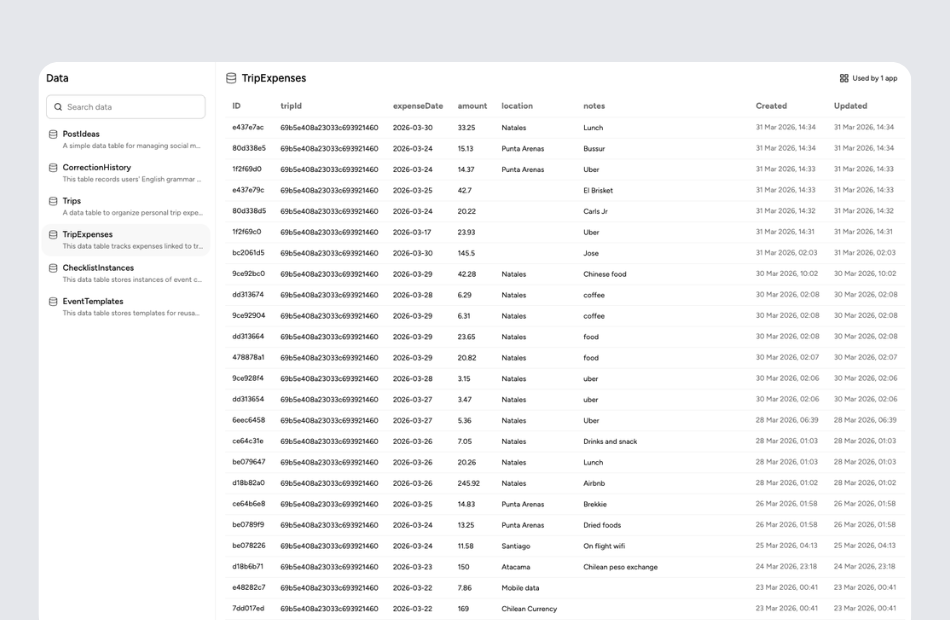
Built-in database and real-time collaboration
Keep everything in one shared workspace so decisions, updates, and documents live together instead of scattered across email, chat, and docs.
Personal software for distributed teams
Start with how your remote team works today. Appaca creates the tools around your communication patterns, and you can keep refining them as your team grows.
Start with how your team stays in sync
Tell Appaca whether you need async standups, a shared goals board, a team wiki, or a combination. Describe what information matters most across time zones.
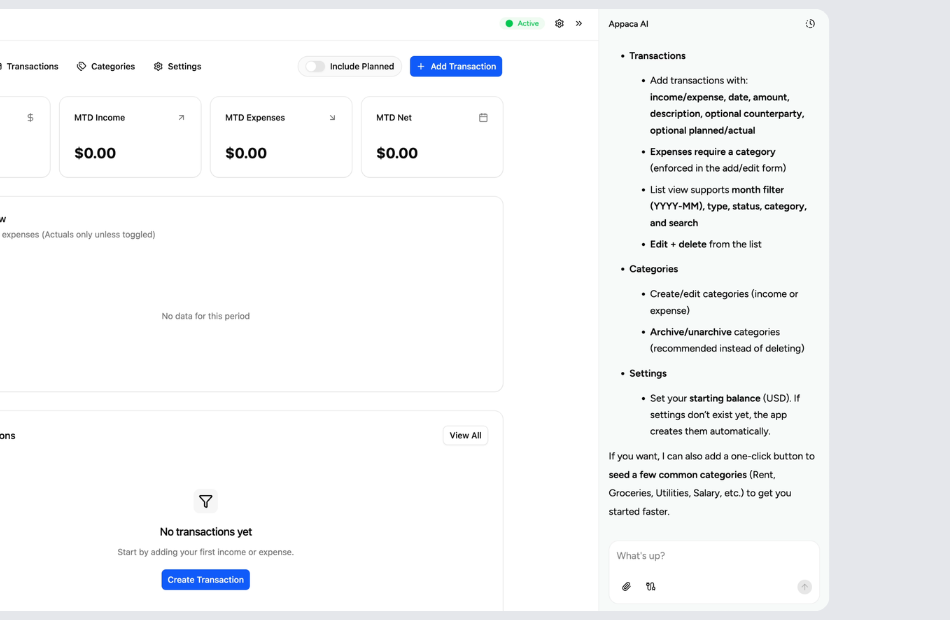
Let Appaca shape the tools around your async workflow
You can describe check-in formats, update cadences, project trackers, or team directories. Appaca turns that into dashboards and forms your distributed team can use daily.
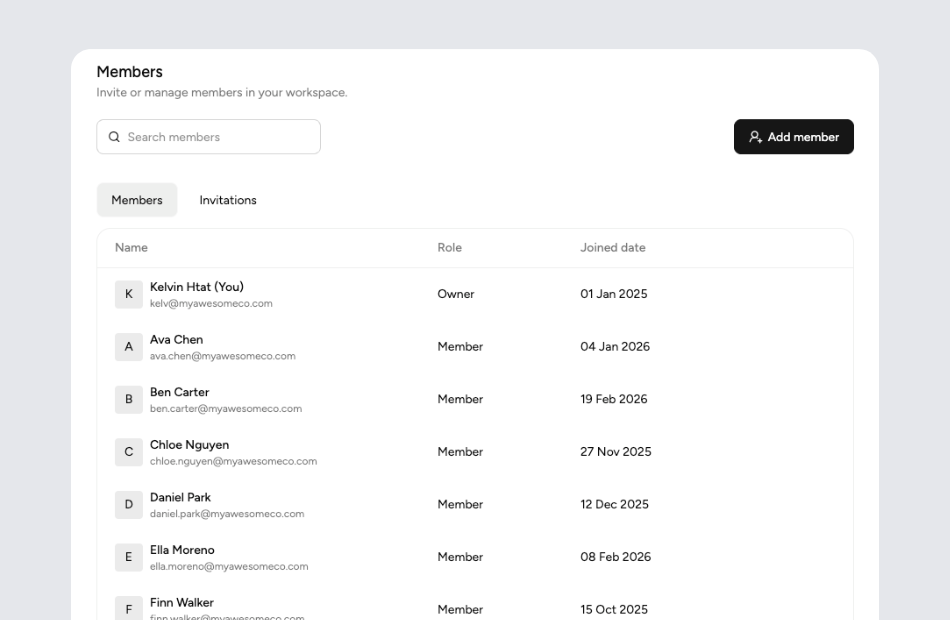
Share it with teammates everywhere
Invite remote team members into the same workspace so updates, decisions, and context are accessible regardless of location or time zone.
What are remote work tools?
Remote work tools are software that helps distributed teams communicate, collaborate, and track work without sharing a physical office. They typically cover async updates, project tracking, shared documents, team directories, and status dashboards. The goal is clear visibility and fewer miscommunications across time zones-without defaulting to back-to-back video calls.
Key features to look for in remote work tools
Prioritize async-first communication-structured updates that do not require everyone online at once. Shared dashboards that show project status at a glance reduce status-check meetings. A team directory with time zones and availability helps with scheduling. Look for flexible workspaces that combine tasks, notes, and updates. Avoid suites that charge per feature when you only need a few.
Why build your own remote work tools with Appaca
Every remote team has a different rhythm-some do daily async standups, others prefer weekly written updates, and some mix sync and async. Appaca lets you describe your exact communication style and generates tools around it. You can combine a standup board, a goals tracker, and a team directory into one workspace instead of stitching together three separate SaaS products.
Questions & answers
The best tools are ones that fit your team size and communication style-async updates, shared dashboards, and a place for decisions. Appaca builds exactly what your team needs instead of offering a massive suite with features you will never use.
Structured async updates replace most status meetings. Tell Appaca your check-in format and cadence, and it creates a board where everyone posts progress visible to the whole team.
Yes. You can include time zone fields in team directories and design dashboards that show availability windows. Appaca structures the workspace so everyone knows when teammates are reachable.
Project management software focuses on tasks and deadlines. Remote work tools add async communication, team visibility, and collaboration patterns for distributed teams. Appaca can build either or combine both in one workspace.
Appaca is not a chat or docs platform. It creates custom collaboration tools tailored to your remote workflow-standup boards, goal trackers, team dashboards-which can complement or replace parts of your current stack.