
Claude 4.5 Sonnet vs Claude 4.6 Opus
Compare pricing, context windows, and strengths for Claude 4.5 Sonnet by Anthropic and Claude 4.6 Opus by Anthropic - and see how to put either to work in Appaca.
Claude 4.5 Sonnet
A frontier-level hybrid-reasoning model excelling at coding, long-horizon tasks, computer use, and domain reasoning with top-tier alignment and reliability.
View Claude 4.5 SonnetClaude 4.6 Opus
Anthropic's most intelligent model for building agents and coding, with stronger reliability and precision for long-horizon engineering and enterprise workflows.
View Claude 4.6 OpusClaude 4.5 Sonnet vs Claude 4.6 Opus at a glance
Specs and pricing side by side, from the Appaca AI models directory.
| Spec | Claude 4.5 Sonnet | Claude 4.6 Opus |
|---|---|---|
| Provider | Anthropic | Anthropic |
| Model type | Text | Text |
| Context window | 1M tokens | 1M tokens |
| Input price | $3 / 1M tokens | $5 / 1M tokens |
| Output price | $15 / 1M tokens | $25 / 1M tokens |
| Status | Superseded by Claude 4.6 Sonnet | Current |
How Claude 4.5 Sonnet and Claude 4.6 Opus differ
What the numbers mean in practice when choosing between Claude 4.5 Sonnet and Claude 4.6 Opus.
-
Claude 4.5 Sonnet is 40% cheaper on input tokens ($3 vs $5 per million), which adds up quickly in document-heavy workloads.
-
Claude 4.5 Sonnet is 40% cheaper on output tokens ($15 vs $25 per million) - the bigger factor for tools that generate long documents.
-
Both models offer the same 1M tokens context window.
-
Claude 4.5 Sonnet has been superseded by Claude 4.6 Sonnet - for new builds, consider the newer model first.
Strengths side by side
Where each model shines, according to benchmarks and provider positioning.
Claude 4.5 Sonnet
1. Best-in-class coding performance
- #1 on SWE-bench Verified (77.2% standard, 82.0% high-compute).
- Excels at debugging, architecture, and multi-file code generation.
- Maintains coherence for extremely long tasks (30+ hours).
2. State-of-the-art computer use & agents
- Leads OSWorld at 61.4%.
- Strongest model for agentic workflows, multi-step tool use, and real computer control.
- Powering Claude Code, the new Claude Agent SDK, and Chrome agent actions.
3. Advanced reasoning & math
- Large improvements across reasoning-heavy benchmarks (AIME, MMMLU, τ2-bench, Terminal-Bench).
- Deep multi-step reasoning with extended or interleaved thinking.
4. High alignment & safety
- Most aligned Claude model to date with reduced deception, hallucinations, sycophancy, and harmful compliance.
- Strong protections against prompt injection for agentic tasks (ASL-3 safeguards).
5. Domain-expert performance
- Notable gains in finance, law, medicine, and STEM tasks.
- Trusted by early customers for long-context legal analysis, multi-file engineering, security research, and red-teaming.
Claude 4.6 Opus
1. Anthropic's top model for coding and agents
- Anthropic positions Opus 4.6 as its most intelligent model for building agents and coding.
- It builds on Opus 4.5 with higher reliability and precision for professional software engineering, complex agentic workflows, and high-stakes enterprise tasks.
2. Strong frontier performance on real agent benchmarks
- Anthropic reports state-of-the-art results across coding and agentic evaluations.
- Public benchmark highlights include 65.4% on Terminal-Bench 2.0, 72.7% on OSWorld, and 90.2% on BigLaw Bench.
3. Best fit for long-horizon, high-context work
- Supports up to a 1M token context window in beta and up to 128K output tokens.
- Designed for long-running tasks that need sustained planning, careful debugging, code review, and strong context retention.
4. Advanced reasoning controls and workflow support
- Supports adaptive thinking and the
effortparameter, including the newmaxeffort level. - Anthropic also introduced fast mode, compaction, and dynamic filtering with web search and web fetch for Opus 4.6-era agent workflows.
Use Claude 4.5 Sonnet or Claude 4.6 Opus - or both
Appaca is the AI workspace for operators. Build internal tools and AI co-workers powered by Claude 4.5 Sonnet or Claude 4.6 Opus - connected to your real data and ready for your whole team. No code, no deployment.
Describe it, and it's built
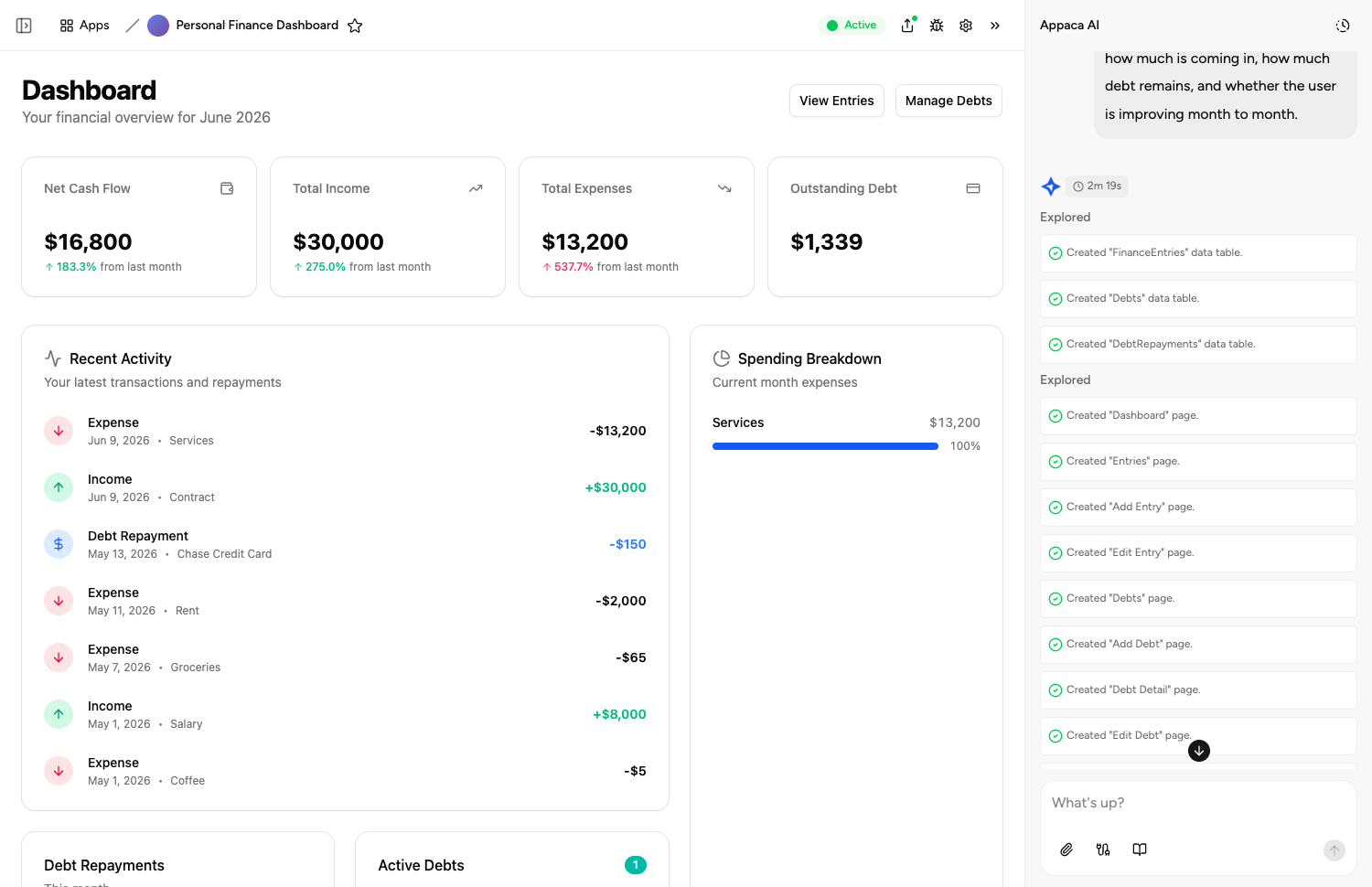
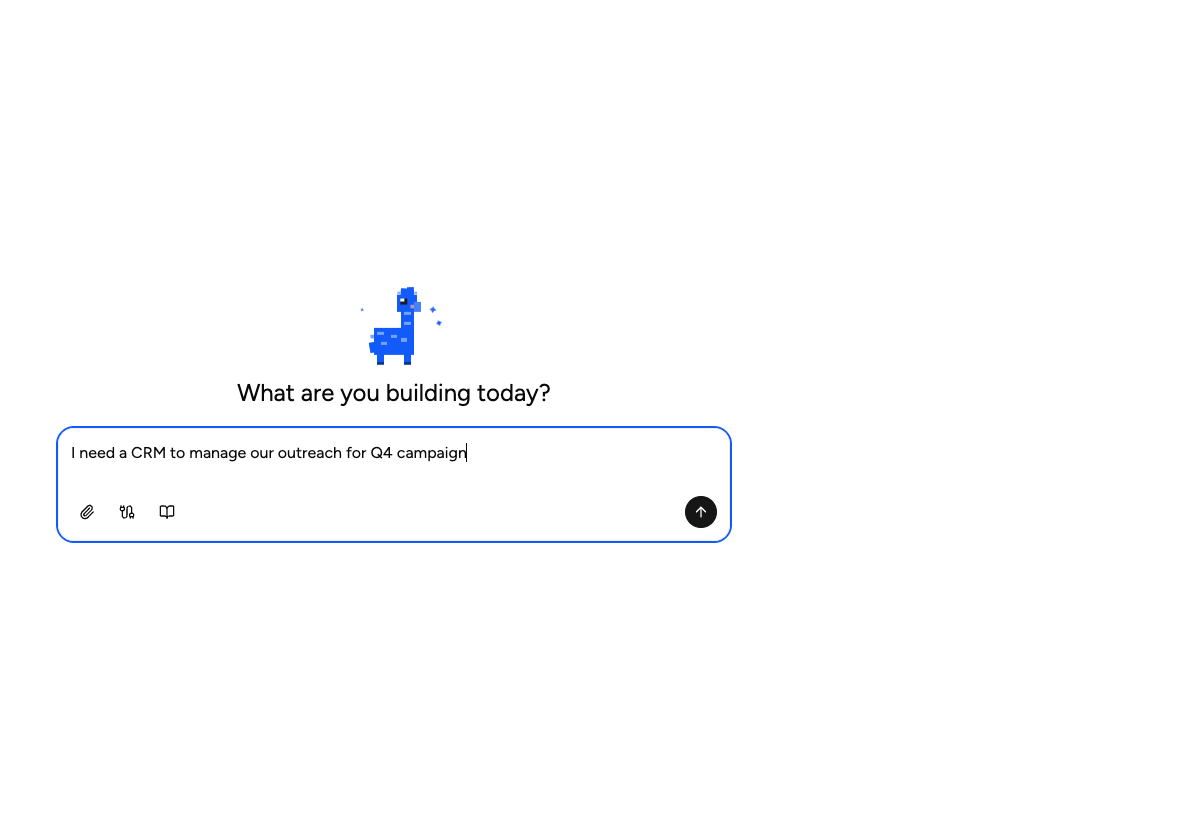
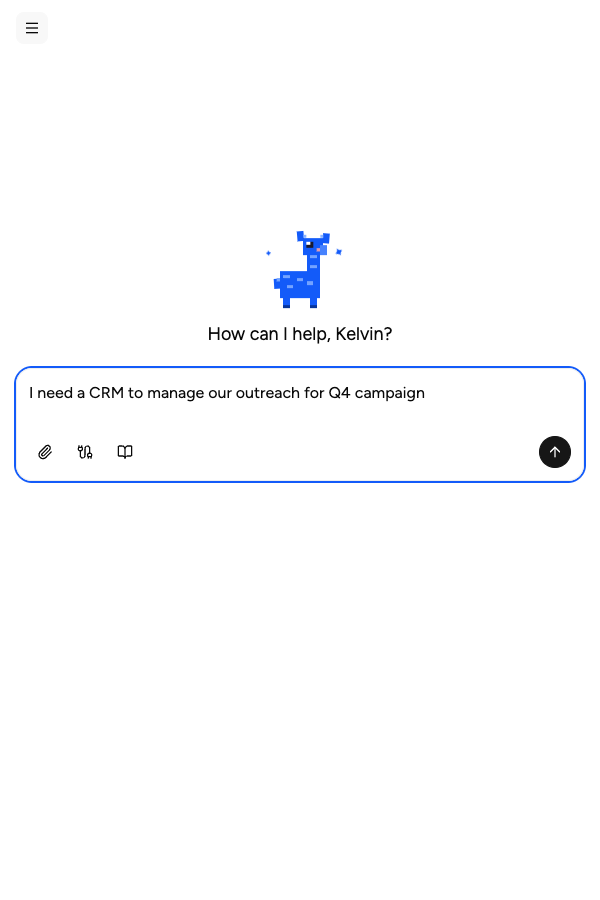
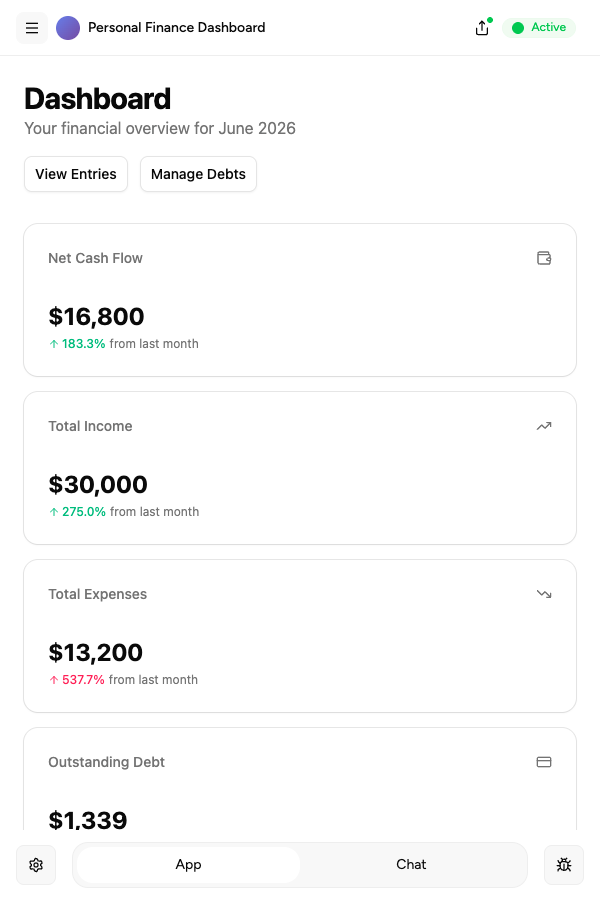
Tell the Appaca agent the internal tool you need and it builds a working app powered by Claude 4.5 Sonnet or Claude 4.6 Opus. No code, no API keys, no deployment.
Switch models without rebuilding
Start on Claude 4.5 Sonnet, test the same tool on Claude 4.6 Opus, and keep whichever performs better - the rest of your app stays exactly as it is.
Automated for the whole team
Schedule tools to run on autopilot - daily digests, weekly reports, real-time triggers - and share them with your whole team from one workspace.
Describe it, and it's built
Tell the Appaca agent what your team needs and it builds a working app powered by Claude 4.5 Sonnet or Claude 4.6 Opus - connected to the tools you already use.





Related comparisons
See how Claude 4.5 Sonnet and Claude 4.6 Opus stack up against other models in the directory.
FAQs
Claude 4.5 Sonnet is generally cheaper: $3 input / $15 output per million tokens, versus $5 / $25 for Claude 4.6 Opus. Actual cost depends on how many tokens your workload reads and writes.
They are equal: both Claude 4.5 Sonnet and Claude 4.6 Opus support a 1M tokens context window.
It depends on the job. Compare the pricing, context window, and strengths above against your workload - and remember the choice isn't permanent. In Appaca you can build a tool on Claude 4.5 Sonnet, test the same tool on Claude 4.6 Opus, and switch at any time without rebuilding anything.
Yes. Appaca is a no-code AI workspace: describe the internal tool your team needs and the Appaca agent builds it as a working app powered by Claude 4.5 Sonnet, Claude 4.6 Opus, or any other model in the directory - with a built-in database, team access, and integrations. No API keys to wire up and nothing to deploy.
Build AI tools with Claude 4.5 Sonnet or Claude 4.6 Opus
Describe the tool your team needs and get a working app powered by the model you choose - with a built-in database, team access, and integrations. No code, no deployment.