GPT-4o mini Audio vs Claude 4.6 Sonnet
Compare pricing, context windows, and strengths for GPT-4o mini Audio by OpenAI and Claude 4.6 Sonnet by Anthropic - and see how to put either to work in Appaca.
GPT-4o mini Audio
Fast, affordable audio-capable model for lightweight voice interactions, real-time responses, and low-cost speech-based applications.
View GPT-4o mini AudioClaude 4.6 Sonnet
Anthropic's most capable Sonnet model, delivering a full upgrade across coding, computer use, long-context reasoning, agent planning, and professional knowledge work.
View Claude 4.6 SonnetGPT-4o mini Audio vs Claude 4.6 Sonnet at a glance
Specs and pricing side by side, from the Appaca AI models directory.
| Spec | GPT-4o mini Audio | Claude 4.6 Sonnet |
|---|---|---|
| Provider | OpenAI | Anthropic |
| Model type | Audio | Text |
| Context window | 128K tokens | 1M tokens |
| Input price | $0.15 / 1M tokens | $3 / 1M tokens |
| Output price | $0.6 / 1M tokens | $15 / 1M tokens |
| Audio input price | $10 / 1M tokens | - |
| Audio output price | $20 / 1M tokens | - |
| Status | Current | Current |
How GPT-4o mini Audio and Claude 4.6 Sonnet differ
What the numbers mean in practice when choosing between GPT-4o mini Audio and Claude 4.6 Sonnet.
-
GPT-4o mini Audio is 95% cheaper on input tokens ($0.15 vs $3 per million), which adds up quickly in document-heavy workloads.
-
GPT-4o mini Audio is 96% cheaper on output tokens ($0.6 vs $15 per million) - the bigger factor for tools that generate long documents.
-
Claude 4.6 Sonnet's 1M tokens context window is roughly 7.8x larger than GPT-4o mini Audio's 128K tokens, so it can work across bigger codebases, contracts, or archives in one pass.
-
These are different kinds of model: GPT-4o mini Audio is an audio model while Claude 4.6 Sonnet is a text model, so they often complement each other in a workflow rather than compete.
Strengths side by side
Where each model shines, according to benchmarks and provider positioning.
GPT-4o mini Audio
1. Affordable multimodal audio model
- Extremely low-cost audio + text model for production-scale usage.
- Ideal for startups and high-volume traffic apps.
2. Fast real-time performance
- Low latency suitable for responsive voice assistants, AI phone bots, IVR flows, and audio chat apps.
- Great when speed matters more than deep reasoning.
3. Audio input and audio output
- Accepts raw audio (speech, recordings, commands).
- Generates natural audio responses via the REST API.
4. Large 128K context window
- Handles long conversations, transcriptions, and extended instructions.
- Supports multi-step voice workflows or multi-part inputs.
5. Great for lightweight reasoning workloads
- Performs well for classification, instructions, Q&A, rewriting, and audio-driven tasks.
- Good for voice agents that don't need high-end reasoning like GPT-5.1.
6. Works across major endpoints
- Chat Completions, Responses API, Realtime API, Assistants, Batch.
- Supports streaming and function calling.
7. Scalable for commercial production
- Perfect for customer support hotlines, appointment bots, FAQ voice agents, or embedded voice UI in apps.
- Reliable and predictable output behavior given its price.
8. Preview model designed for experimentation
- Lets teams prototype voice-first features with minimal cost.
- Useful stepping-stone before upgrading to GPT-4o Audio or GPT-5 audio models.
Claude 4.6 Sonnet
1. Most capable Sonnet model yet
- Anthropic describes Sonnet 4.6 as its most capable Sonnet model.
- It is a full upgrade across coding, computer use, long-context reasoning, agent planning, knowledge work, and design.
2. Stronger coding and professional task performance at Sonnet pricing
- Pricing remains at $3/M input and $15/M output, matching Sonnet 4.5.
- Anthropic says early-access developers strongly preferred it to Sonnet 4.5, and often even to Opus 4.5 for practical work.
3. Long-context, agent-friendly reasoning
- Supports up to a 1M token context window in beta.
- Anthropic reports better consistency, fewer false claims of success, fewer hallucinations, and more reliable follow-through on multi-step tasks.
4. Modern API controls for adaptive work
- Supports adaptive thinking and the
effortparameter for balancing speed, cost, and depth. - Gains dynamic filtering for web search and web fetch, helping agent workflows keep only relevant information in context.
Use GPT-4o mini Audio or Claude 4.6 Sonnet - or both
Appaca is the AI workspace for operators. Build internal tools and AI co-workers powered by GPT-4o mini Audio or Claude 4.6 Sonnet - connected to your real data and ready for your whole team. No code, no deployment.
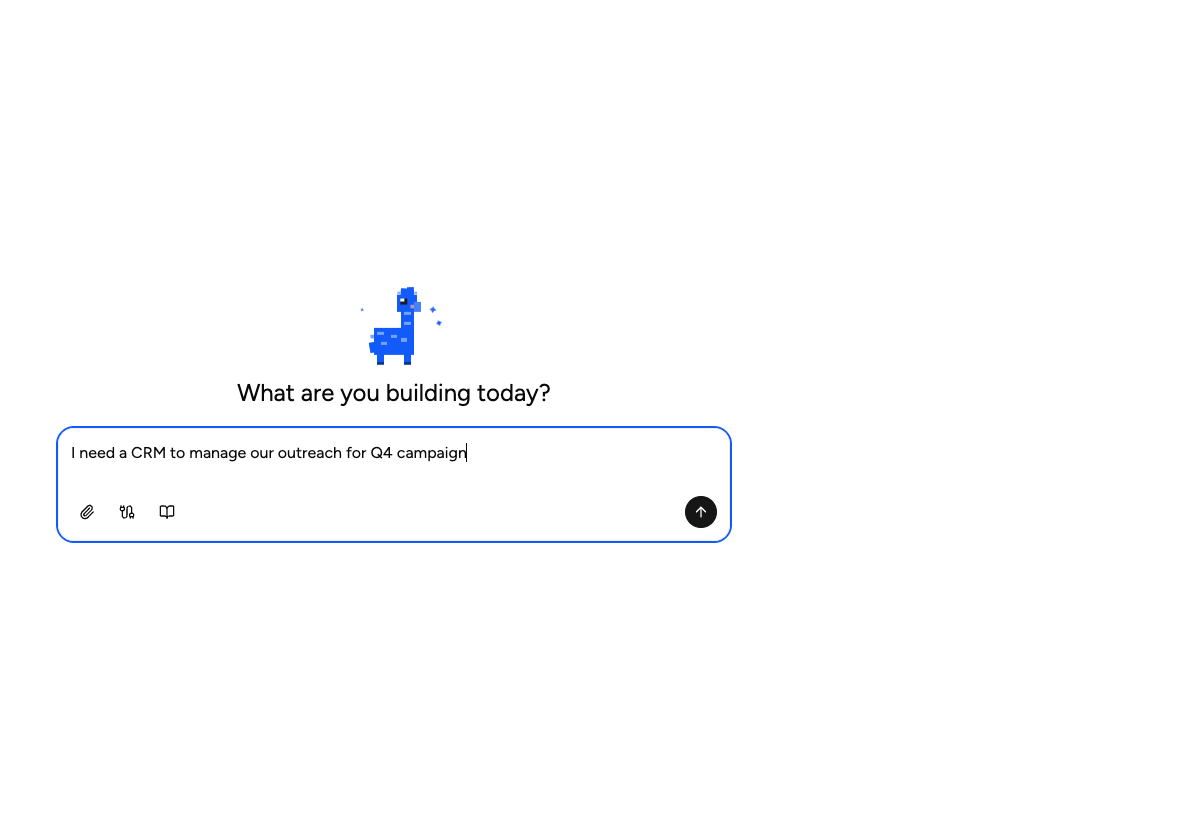
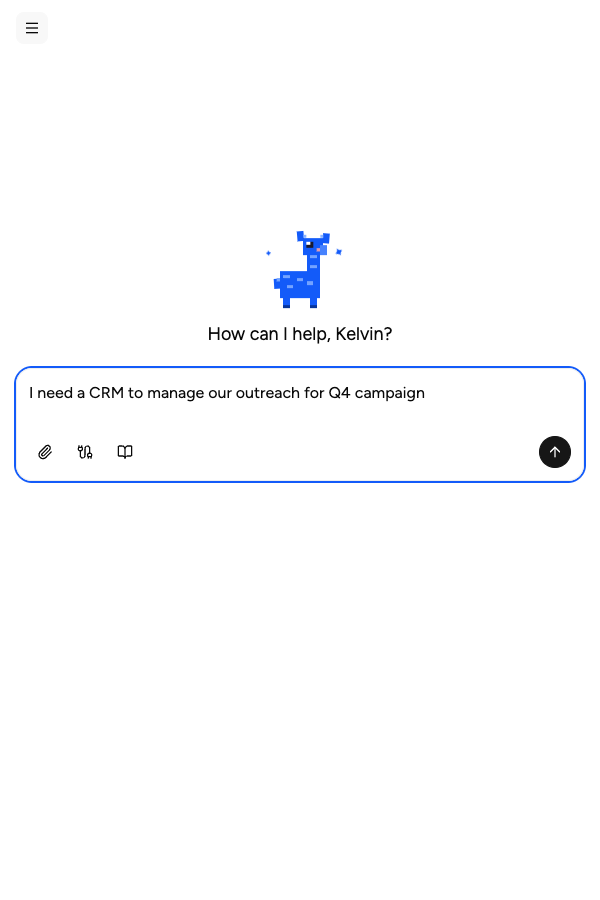
Describe it, and it's built
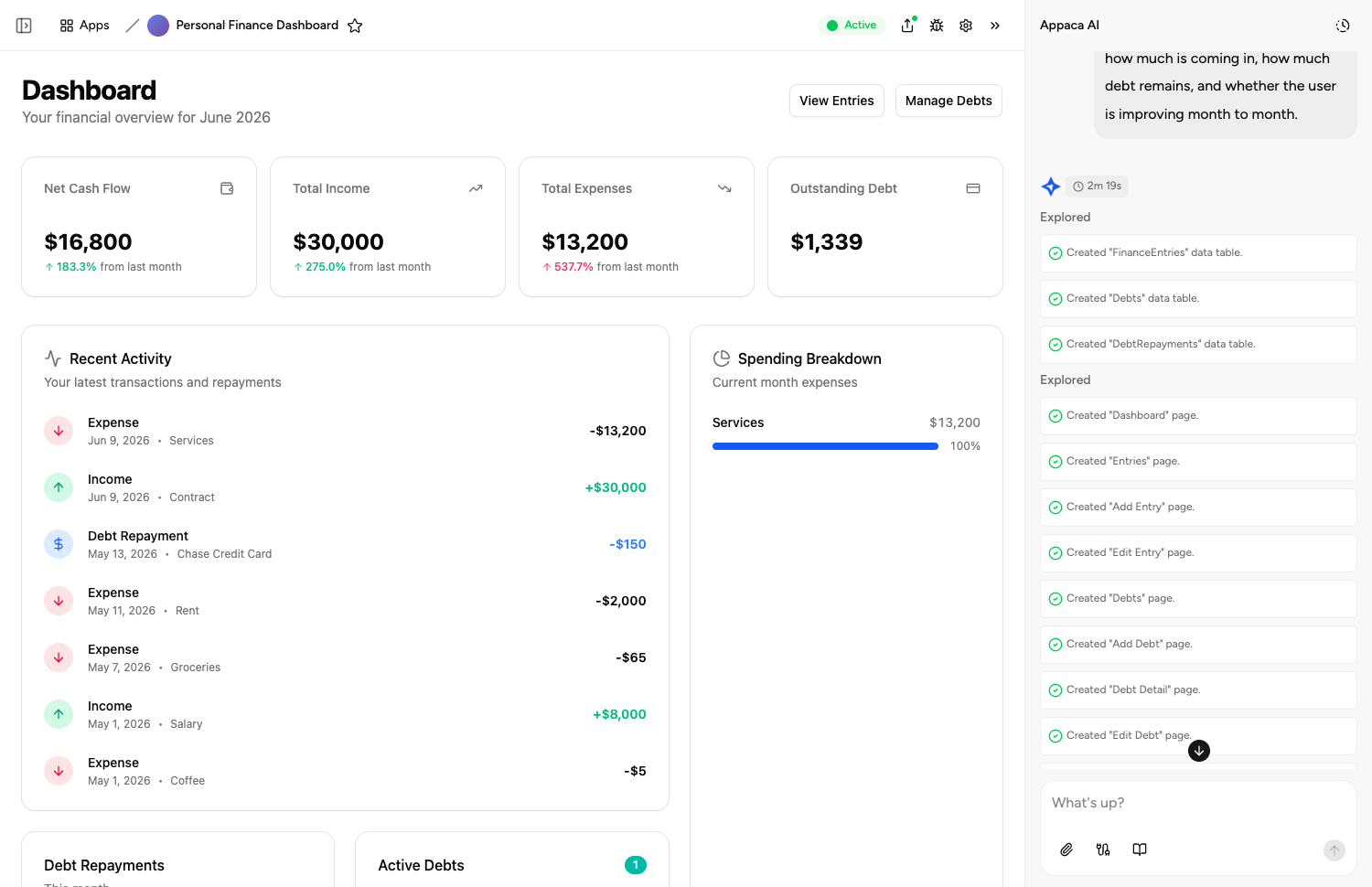
Tell the Appaca agent the internal tool you need and it builds a working app powered by GPT-4o mini Audio or Claude 4.6 Sonnet. No code, no API keys, no deployment.
Switch models without rebuilding
Start on GPT-4o mini Audio, test the same tool on Claude 4.6 Sonnet, and keep whichever performs better - the rest of your app stays exactly as it is.
Automated for the whole team
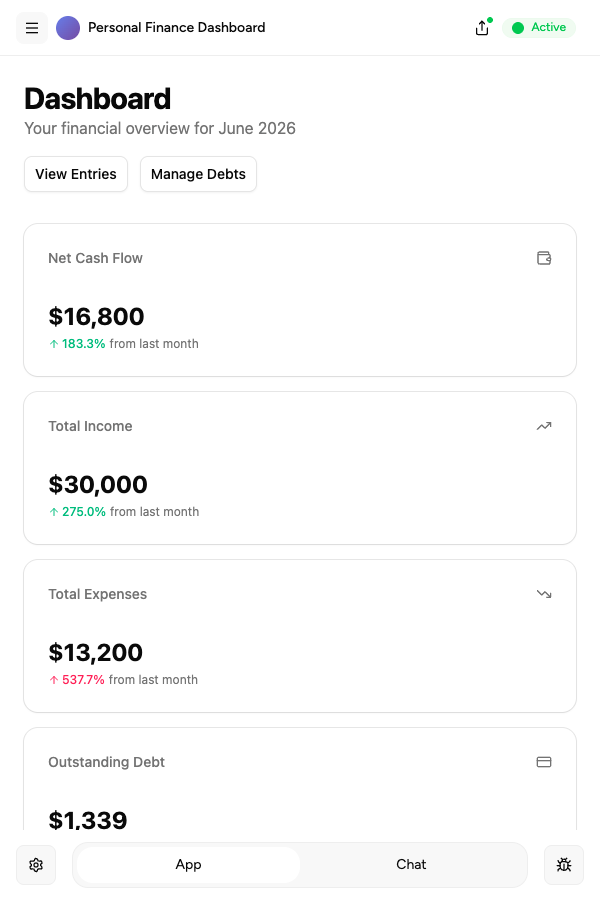
Schedule tools to run on autopilot - daily digests, weekly reports, real-time triggers - and share them with your whole team from one workspace.
Describe it, and it's built
Tell the Appaca agent what your team needs and it builds a working app powered by GPT-4o mini Audio or Claude 4.6 Sonnet - connected to the tools you already use.




Related comparisons
See how GPT-4o mini Audio and Claude 4.6 Sonnet stack up against other models in the directory.
FAQs
GPT-4o mini Audio is generally cheaper: $0.15 input / $0.6 output per million tokens, versus $3 / $15 for Claude 4.6 Sonnet. Actual cost depends on how many tokens your workload reads and writes.
Claude 4.6 Sonnet has the larger context window at 1M tokens, compared to 128K tokens for GPT-4o mini Audio. A larger window means the model can consider more text at once - useful for long contracts, codebases, or months of records.
It depends on the job. Compare the pricing, context window, and strengths above against your workload - and remember the choice isn't permanent. In Appaca you can build a tool on GPT-4o mini Audio, test the same tool on Claude 4.6 Sonnet, and switch at any time without rebuilding anything.
Yes. Appaca is a no-code AI workspace: describe the internal tool your team needs and the Appaca agent builds it as a working app powered by GPT-4o mini Audio, Claude 4.6 Sonnet, or any other model in the directory - with a built-in database, team access, and integrations. No API keys to wire up and nothing to deploy.
Build AI tools with GPT-4o mini Audio or Claude 4.6 Sonnet
Describe the tool your team needs and get a working app powered by the model you choose - with a built-in database, team access, and integrations. No code, no deployment.