GPT-OSS 120B vs GPT-4 Turbo
Compare pricing, context windows, and strengths for GPT-OSS 120B by OpenAI and GPT-4 Turbo by OpenAI - and see how to put either to work in Appaca.
GPT-OSS 120B
OpenAI's most powerful open-weight model (117B params, 5.1B active), fitting on a single H100 GPU - fully customizable, licensed for unrestricted commercial use.
View GPT-OSS 120BGPT-4 Turbo
Older high-intelligence GPT-4 generation model offering strong reasoning and image input support, now superseded by newer 4o-based models.
View GPT-4 TurboGPT-OSS 120B vs GPT-4 Turbo at a glance
Specs and pricing side by side, from the Appaca AI models directory.
| Spec | GPT-OSS 120B | GPT-4 Turbo |
|---|---|---|
| Provider | OpenAI | OpenAI |
| Model type | Text | Text |
| Context window | 131.1K tokens | 128K tokens |
| Input price | Free (open weight) | $10 / 1M tokens |
| Output price | Free (open weight) | $30 / 1M tokens |
| Status | Current | Current |
How GPT-OSS 120B and GPT-4 Turbo differ
What the numbers mean in practice when choosing between GPT-OSS 120B and GPT-4 Turbo.
-
GPT-OSS 120B is an open-weight model with no per-token licensing fees, while GPT-4 Turbo charges $10 per million input tokens.
-
Context windows are close: GPT-OSS 120B handles 131.1K tokens and GPT-4 Turbo handles 128K tokens.
Strengths side by side
Where each model shines, according to benchmarks and provider positioning.
GPT-OSS 120B
1. Most powerful open-weight model
- 117B parameters (5.1B active) while fitting on a single H100 GPU.
- High reasoning quality compared to other open models.
2. Apache 2.0 license
- Fully permissive, no copyleft or patent restrictions.
- Safe for commercial products, research, and redistribution.
3. Configurable reasoning effort
- Supports adjustable reasoning: low, medium, high.
- Lets developers balance latency vs. depth.
4. Full chain-of-thought access
- Unlike closed commercial models, this exposes complete reasoning traces.
- Useful for debugging, auditing, safety research, and transparency.
5. Fine-tunable
- Fully supports parameter fine-tuning.
- Can be adapted to domain-specific workflows and proprietary datasets.
6. Agentic capabilities
- Built-in function calling.
- Native support for web browsing, Python execution, and structured outputs.
- Ideal for open-source agents, full-stack automation, and developer tooling.
7. Tooling ecosystem support
- Compatible with Chat Completions, Responses API, Assistants, Realtime, Batch, and Fine-tuning endpoints.
- Supports Image Generation, Code Interpreter (via Python runtime), and more.
8. Open-source availability
- Downloadable on HuggingFace for local or on-prem deployment.
- Supports full offline, private, or self-hosted usage.
9. Streaming + function calling support
- Real-time interactions.
- Strong for interactive agents, coding assistants, and UI-driven workflows.
GPT-4 Turbo
1. Strong reasoning for its generation
- Next-gen version of GPT-4 designed to be cheaper and faster than the original.
- Good for analytical tasks, structured writing, coding guidance, and multi-step reasoning.
2. Image input support
- Accepts images and provides text-only outputs.
- Useful for OCR, visual Q&A, document extraction, UI analysis, and design interpretation.
3. Stable performance
- Predictable model behavior suitable for legacy systems still built on GPT-4.
- Works reliably for established pipelines and enterprise workloads.
4. Large 128K context window
- Handles long documents, multi-file inputs, or extended conversational sessions.
- Allows complex prompt chaining and large instruction sets.
5. Broad endpoint compatibility
- Works with Chat Completions, Responses API, Realtime API, Assistants, Batch, Fine-tuning, Embeddings, and more.
- Supports streaming and function calling.
6. Good choice for cost-controlled GPT-4-class workloads
- Although older, still useful for teams who want GPT-4-level reasoning without upgrading immediately.
- A midpoint between legacy GPT-4 and modern GPT-4o/5.1 models.
7. Text-only output simplifies downstream use
- Ensures deterministic outputs for applications that need reliable text generation.
- Good for RAG, data pipelines, automation tools, and enterprise systems.
8. Recommended migration path
- OpenAI now recommends using GPT-4o or GPT-5.1 for improved speed, cost, reasoning, and multimodal capability.
- GPT-4 Turbo remains available for backward compatibility and stability.
Use GPT-OSS 120B or GPT-4 Turbo - or both
Appaca is the AI workspace for operators. Build internal tools and AI co-workers powered by GPT-OSS 120B or GPT-4 Turbo - connected to your real data and ready for your whole team. No code, no deployment.
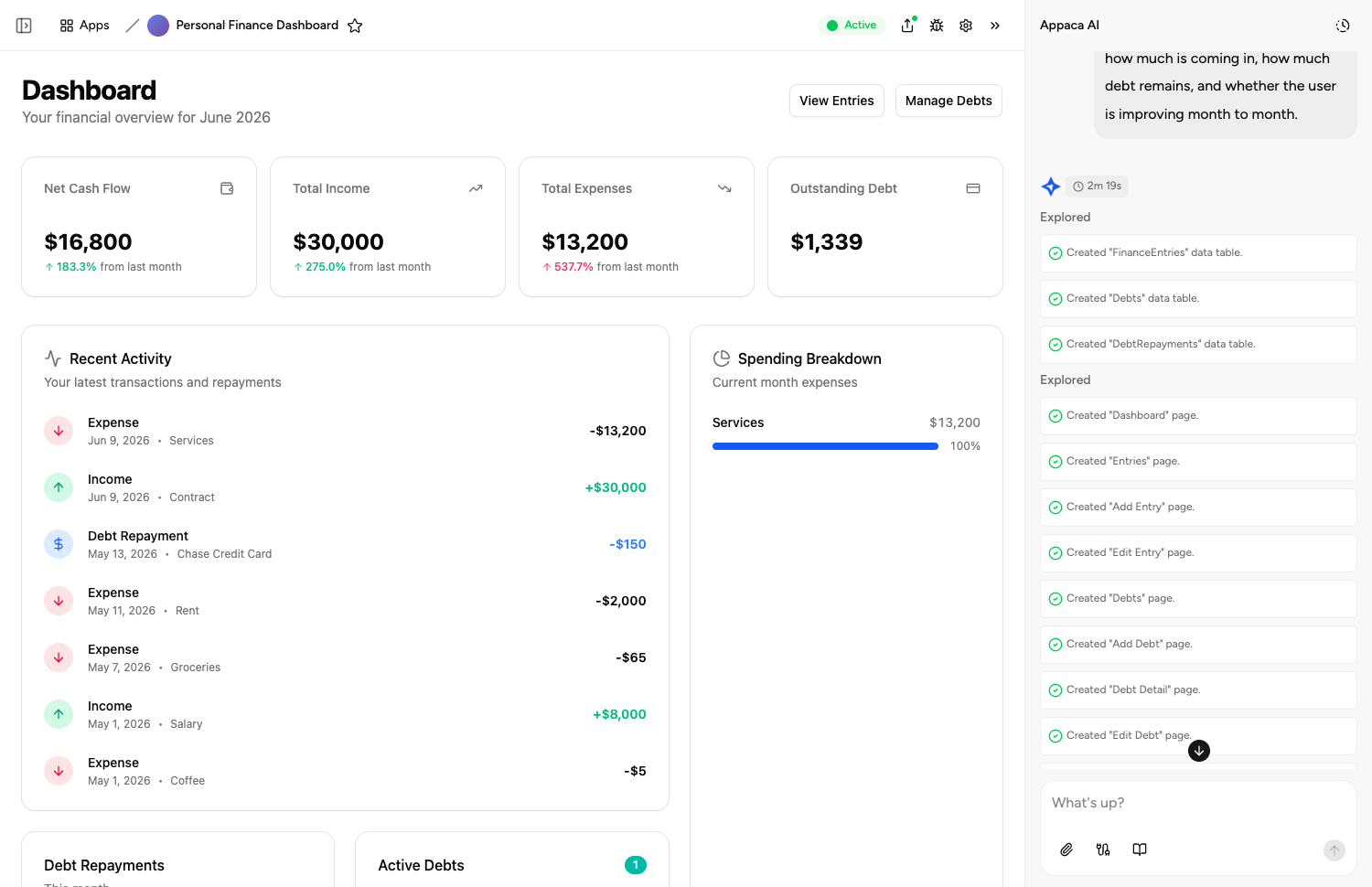
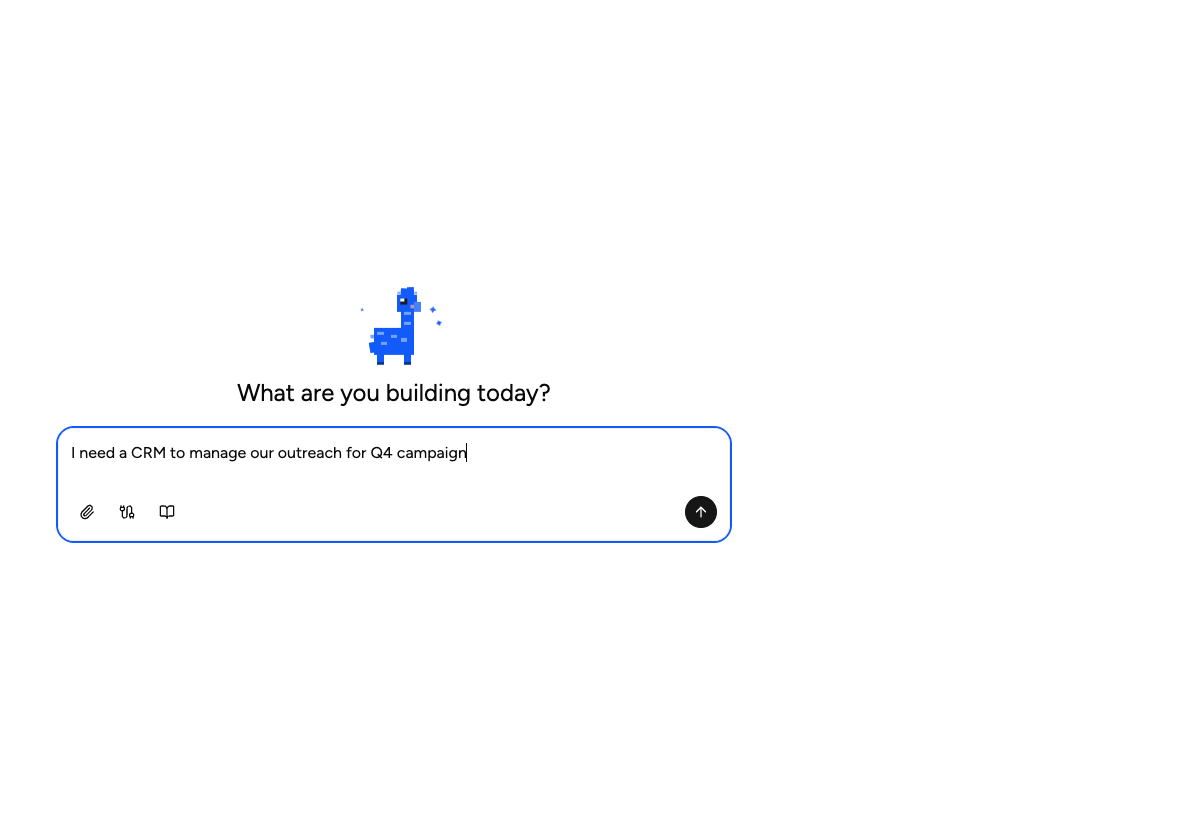
Describe it, and it's built
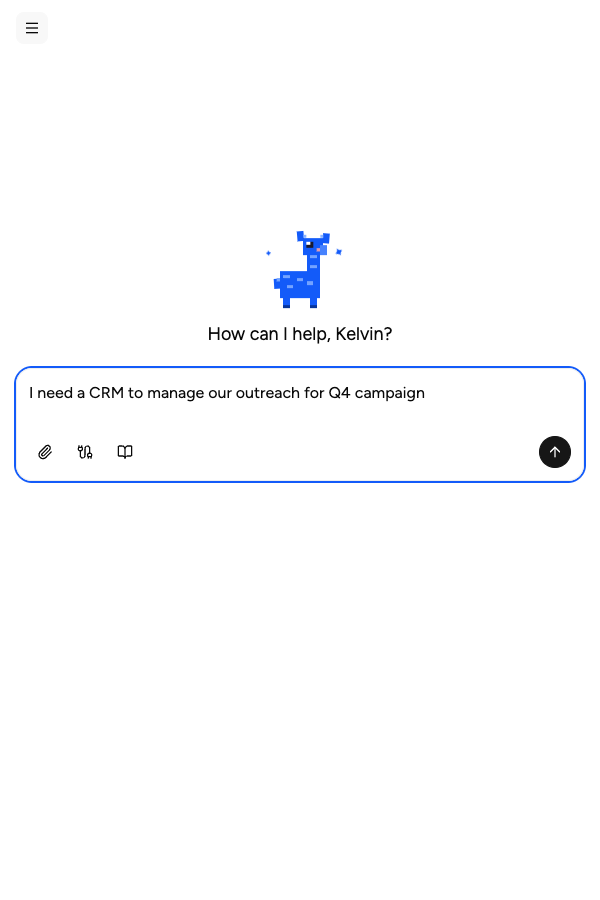
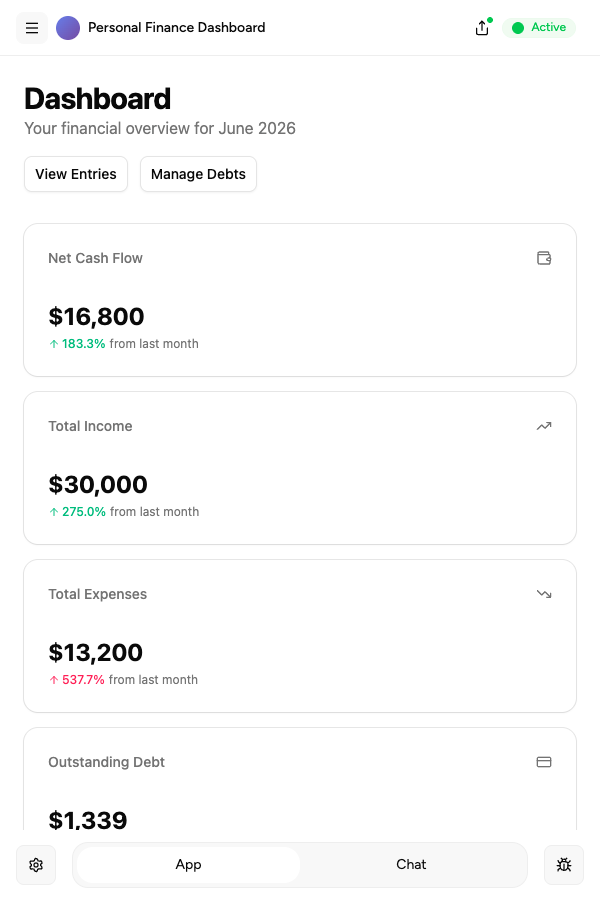
Tell the Appaca agent the internal tool you need and it builds a working app powered by GPT-OSS 120B or GPT-4 Turbo. No code, no API keys, no deployment.
Switch models without rebuilding
Start on GPT-OSS 120B, test the same tool on GPT-4 Turbo, and keep whichever performs better - the rest of your app stays exactly as it is.
Automated for the whole team
Schedule tools to run on autopilot - daily digests, weekly reports, real-time triggers - and share them with your whole team from one workspace.
Describe it, and it's built
Tell the Appaca agent what your team needs and it builds a working app powered by GPT-OSS 120B or GPT-4 Turbo - connected to the tools you already use.




Related comparisons
See how GPT-OSS 120B and GPT-4 Turbo stack up against other models in the directory.
FAQs
GPT-OSS 120B is open weight and free of per-token licensing fees, while GPT-4 Turbo costs $10 per million input tokens and $30 per million output tokens.
GPT-OSS 120B has the larger context window at 131.1K tokens, compared to 128K tokens for GPT-4 Turbo. A larger window means the model can consider more text at once - useful for long contracts, codebases, or months of records.
It depends on the job. Compare the pricing, context window, and strengths above against your workload - and remember the choice isn't permanent. In Appaca you can build a tool on GPT-OSS 120B, test the same tool on GPT-4 Turbo, and switch at any time without rebuilding anything.
Yes. Appaca is a no-code AI workspace: describe the internal tool your team needs and the Appaca agent builds it as a working app powered by GPT-OSS 120B, GPT-4 Turbo, or any other model in the directory - with a built-in database, team access, and integrations. No API keys to wire up and nothing to deploy.
Build AI tools with GPT-OSS 120B or GPT-4 Turbo
Describe the tool your team needs and get a working app powered by the model you choose - with a built-in database, team access, and integrations. No code, no deployment.