
GPT-OSS 20B vs o3-mini
Compare pricing, context windows, and strengths for GPT-OSS 20B by OpenAI and o3-mini by OpenAI - and see how to put either to work in Appaca.
GPT-OSS 20B
A 21-billion-parameter open-weight model from OpenAI, designed for efficient reasoning and long-context usage (≈ 128K tokens).
View GPT-OSS 20Bo3-mini
A small, cost-efficient reasoning model offering high intelligence at the same pricing and latency targets as o1-mini, with strong support for structured outputs and developer tooling.
View o3-miniGPT-OSS 20B vs o3-mini at a glance
Specs and pricing side by side, from the Appaca AI models directory.
| Spec | GPT-OSS 20B | o3-mini |
|---|---|---|
| Provider | OpenAI | OpenAI |
| Model type | Text | Text |
| Context window | 128K tokens | 200K tokens |
| Input price | Free (open weight) | $1.1 / 1M tokens |
| Output price | Free (open weight) | $4.4 / 1M tokens |
| Status | Current | Current |
How GPT-OSS 20B and o3-mini differ
What the numbers mean in practice when choosing between GPT-OSS 20B and o3-mini.
-
GPT-OSS 20B is an open-weight model with no per-token licensing fees, while o3-mini charges $1.1 per million input tokens.
-
o3-mini's 200K tokens context window is roughly 1.6x larger than GPT-OSS 20B's 128K tokens, so it can work across bigger codebases, contracts, or archives in one pass.
Strengths side by side
Where each model shines, according to benchmarks and provider positioning.
GPT-OSS 20B
- Open-weight / Apache 2.0 licensed: you can use, modify, and deploy freely (commercially & academically) under permissive terms.
- Large model size (≈ 21B parameters) with Mixture-of-Experts (MoE) architecture: only ~3.6B parameters active per token, yielding efficient inference.
- Very long context window support: up to ~128 K tokens (or ~131 K tokens per some sources) enabling in-depth reasoning, long documents, or multi-turn context.
- Adjustable reasoning effort: you can trade latency vs quality by tuning “reasoning effort” levels.
- Efficient hardware requirements (for its class): designed to run on a single 16 GB-class GPU or optimized local deployments for lower latency applications.
- Strong for tasks such as reasoning, tool-use, structured output, chain-of-thought debugging: because the model is open and you can inspect its chain of thought.
- Flexibility: since weights are available, you can self-host, fine-tune, or deploy offline, giving more control than closed API models.
o3-mini
1. High-intelligence small reasoning model
- Delivers strong reasoning performance in a compact footprint.
- Ideal for tasks that need intelligence but must stay cost-efficient.
2. Excellent for developer workflows
- Supports Structured Outputs, function calling, and Batch API.
- Reliable for backend automation, agents, and data-processing pipelines.
3. Strong text reasoning capabilities
- Handles multi-step logic, natural language analysis, SQL translation, entity extraction, and content generation.
- Works well for landing pages, policy summaries, and knowledge extraction (as shown in built-in examples).
4. 200K context window
- Allows large documents, multi-step analysis, and long-running conversations.
- Reduces the need for aggressive chunking or external retrieval systems.
5. High 100K-token output limit
- Enables long explanations, multi-section documents, or detailed reasoning sequences.
6. Pure text-focused model
- Input/output is text-only (no image or audio support).
- Optimized for language-heavy reasoning and logic tasks.
7. Broad API compatibility
- Works across Chat Completions, Responses, Realtime, Assistants, Embeddings, Image APIs (as tools), and more.
- Supports streaming, function calling, and structured outputs.
8. Cost-efficient for production at scale
- Same cost/performance profile as o1-mini but with higher intelligence.
Use GPT-OSS 20B or o3-mini - or both
Appaca is the AI workspace for operators. Build internal tools and AI co-workers powered by GPT-OSS 20B or o3-mini - connected to your real data and ready for your whole team. No code, no deployment.
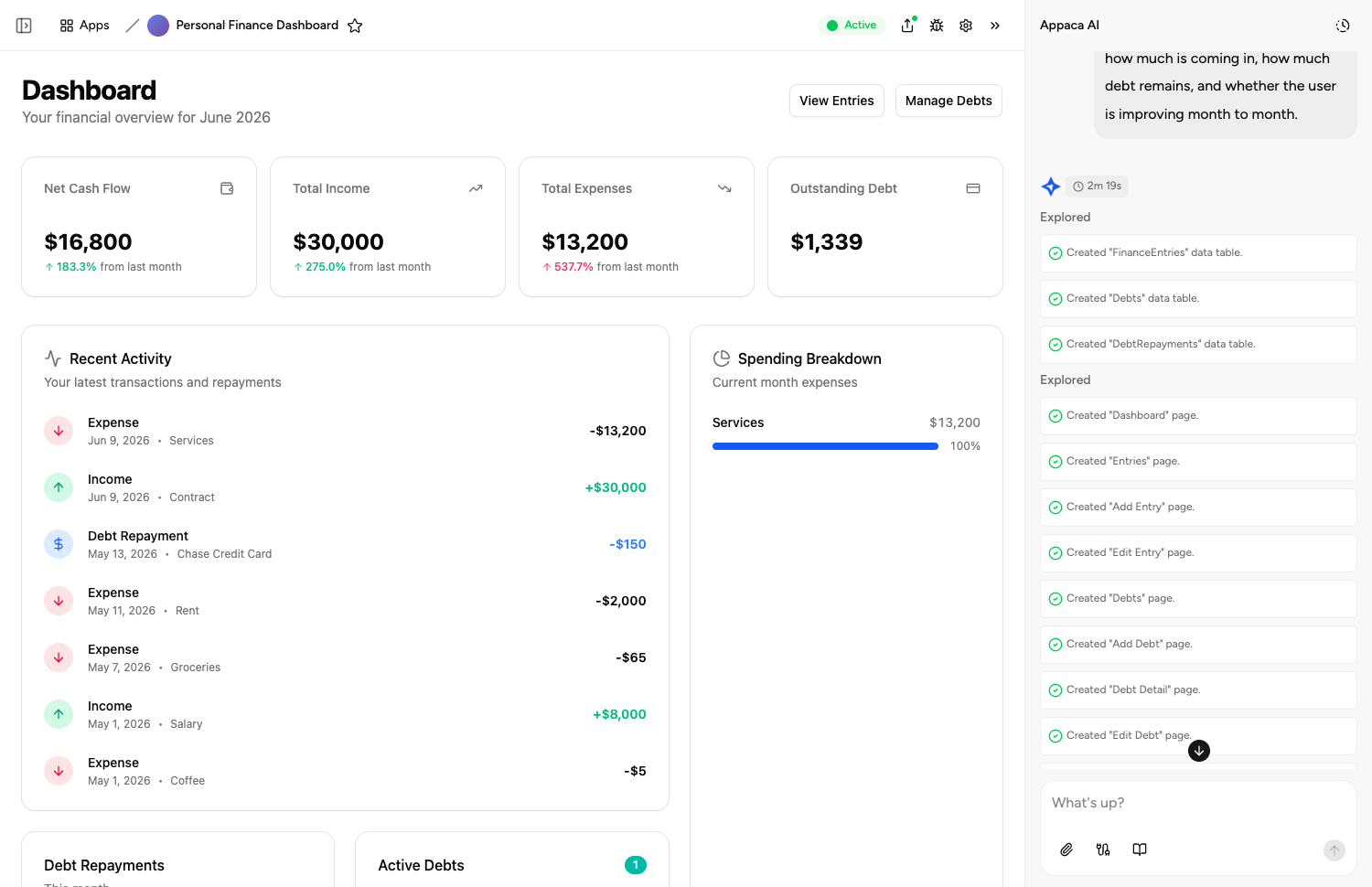
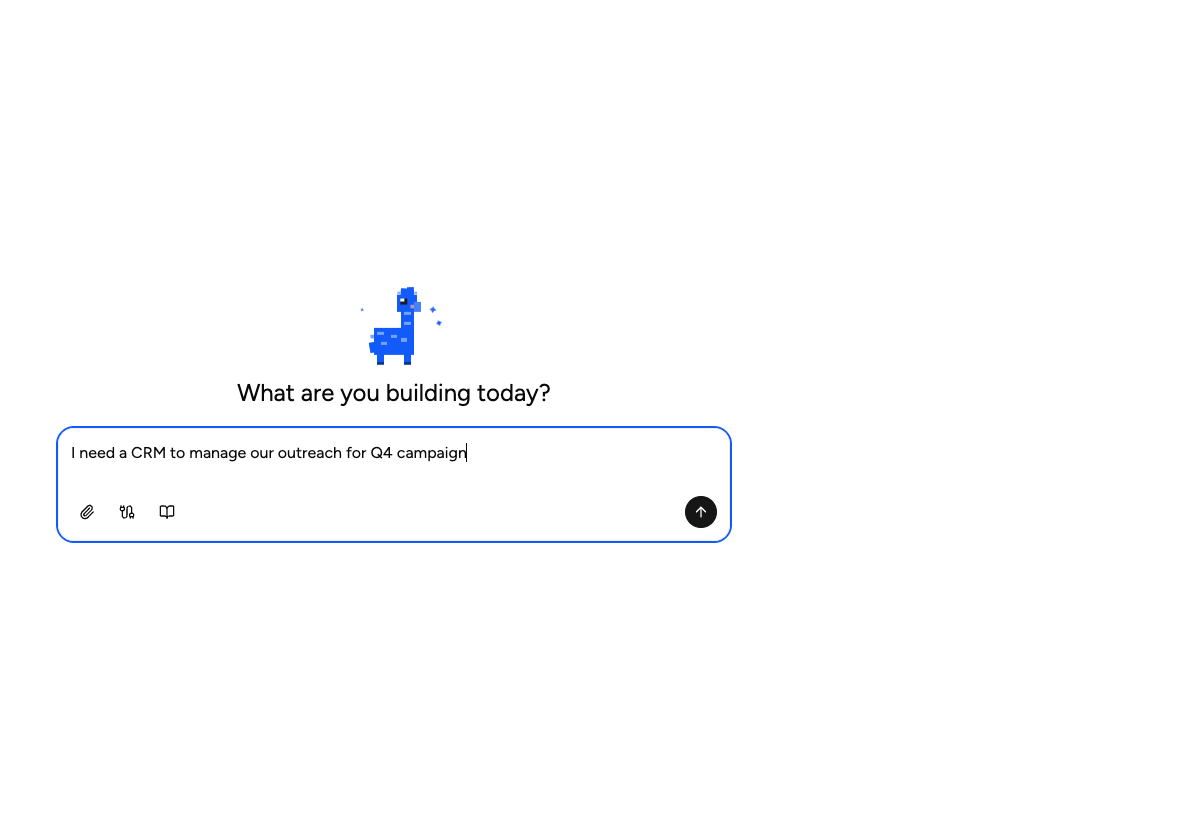
Describe it, and it's built
Tell the Appaca agent the internal tool you need and it builds a working app powered by GPT-OSS 20B or o3-mini. No code, no API keys, no deployment.
Switch models without rebuilding
Start on GPT-OSS 20B, test the same tool on o3-mini, and keep whichever performs better - the rest of your app stays exactly as it is.
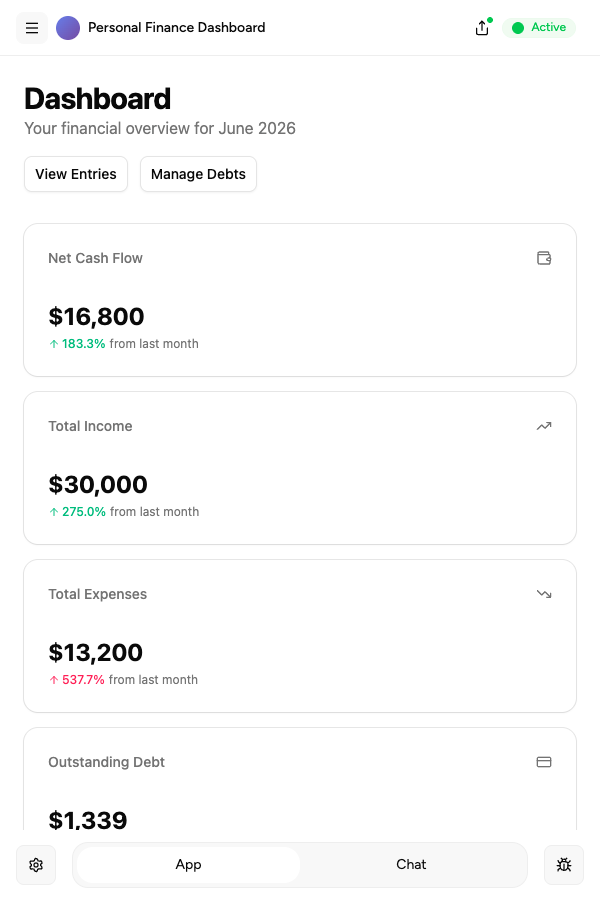
Automated for the whole team
Schedule tools to run on autopilot - daily digests, weekly reports, real-time triggers - and share them with your whole team from one workspace.
Describe it, and it's built
Tell the Appaca agent what your team needs and it builds a working app powered by GPT-OSS 20B or o3-mini - connected to the tools you already use.





Related comparisons
See how GPT-OSS 20B and o3-mini stack up against other models in the directory.
FAQs
GPT-OSS 20B is open weight and free of per-token licensing fees, while o3-mini costs $1.1 per million input tokens and $4.4 per million output tokens.
o3-mini has the larger context window at 200K tokens, compared to 128K tokens for GPT-OSS 20B. A larger window means the model can consider more text at once - useful for long contracts, codebases, or months of records.
It depends on the job. Compare the pricing, context window, and strengths above against your workload - and remember the choice isn't permanent. In Appaca you can build a tool on GPT-OSS 20B, test the same tool on o3-mini, and switch at any time without rebuilding anything.
Yes. Appaca is a no-code AI workspace: describe the internal tool your team needs and the Appaca agent builds it as a working app powered by GPT-OSS 20B, o3-mini, or any other model in the directory - with a built-in database, team access, and integrations. No API keys to wire up and nothing to deploy.
Build AI tools with GPT-OSS 20B or o3-mini
Describe the tool your team needs and get a working app powered by the model you choose - with a built-in database, team access, and integrations. No code, no deployment.