
Sora 2 vs o3-mini
Compare pricing, context windows, and strengths for Sora 2 by OpenAI and o3-mini by OpenAI - and see how to put either to work in Appaca.
Sora 2
Flagship video generation model that produces high-quality dynamic videos with synced audio from natural language or image prompts.
View Sora 2o3-mini
A small, cost-efficient reasoning model offering high intelligence at the same pricing and latency targets as o1-mini, with strong support for structured outputs and developer tooling.
View o3-miniSora 2 vs o3-mini at a glance
Specs and pricing side by side, from the Appaca AI models directory.
| Spec | Sora 2 | o3-mini |
|---|---|---|
| Provider | OpenAI | OpenAI |
| Model type | Video | Text |
| Context window | 400K tokens | 200K tokens |
| Input price | - | $1.1 / 1M tokens |
| Output price | - | $4.4 / 1M tokens |
| Video generation | $0.1 / second | - |
| Status | Current | Current |
How Sora 2 and o3-mini differ
What the numbers mean in practice when choosing between Sora 2 and o3-mini.
-
Sora 2's 400K tokens context window is roughly 2x larger than o3-mini's 200K tokens, so it can work across bigger codebases, contracts, or archives in one pass.
-
These are different kinds of model: Sora 2 is a video model while o3-mini is a text model, so they often complement each other in a workflow rather than compete.
Strengths side by side
Where each model shines, according to benchmarks and provider positioning.
Sora 2
1. Advanced Video Generation Capability
- Produces richly detailed, cinematic video clips from simple text or image prompts.
- Handles complex scenes, motion, lighting, environments, and multi-object interactions with high fidelity.
2. Synced Audio Generation
- Generates audio that aligns with the timing, actions, and mood of the video.
- Useful for creating complete media outputs without requiring external sound design.
3. Multi-Modal Input, Multi-Media Output
- Accepts text and image inputs, enabling:
- Storyboard-to-video workflows
- Image-to-video transformations
- Concept illustrations expanded into full scenes
- Outputs video and audio, making it ideal for end-to-end content creation.
4. Resolution-Optimized Performance
- Provides high-quality generation at:
- Portrait: 720 x 1280
- Landscape: 1280 x 720
- Optimized for common mobile and web video formats used in social media, ads, and creative production.
5. Powerful Media Understanding
- Interprets natural language with strong scene comprehension.
- Capable of rendering realistic movement, physics, emotions, and atmosphere.
- Suitable for:
- Marketing videos
- Short films and creative storytelling
- Product demos and conceptual visualizations
6. Integrated Across Major API Endpoints
- Supported in Chat Completions, Responses, Realtime, Assistants, and Videos endpoints.
- Makes it easy to integrate into agent workflows or interactive production pipelines.
7. Consistent Model Behavior via Snapshots
- Offers stable snapshots to lock model performance across long-term projects.
- Ensures reproducibility for content pipelines, asset libraries, and enterprise workflows.
8. Ideal Use Cases
- Storyboarding → full-scene generation
- Product or app demos visualized from text
- Educational and explainer videos
- Social media content creation
- Creative ideation and prototyping
o3-mini
1. High-intelligence small reasoning model
- Delivers strong reasoning performance in a compact footprint.
- Ideal for tasks that need intelligence but must stay cost-efficient.
2. Excellent for developer workflows
- Supports Structured Outputs, function calling, and Batch API.
- Reliable for backend automation, agents, and data-processing pipelines.
3. Strong text reasoning capabilities
- Handles multi-step logic, natural language analysis, SQL translation, entity extraction, and content generation.
- Works well for landing pages, policy summaries, and knowledge extraction (as shown in built-in examples).
4. 200K context window
- Allows large documents, multi-step analysis, and long-running conversations.
- Reduces the need for aggressive chunking or external retrieval systems.
5. High 100K-token output limit
- Enables long explanations, multi-section documents, or detailed reasoning sequences.
6. Pure text-focused model
- Input/output is text-only (no image or audio support).
- Optimized for language-heavy reasoning and logic tasks.
7. Broad API compatibility
- Works across Chat Completions, Responses, Realtime, Assistants, Embeddings, Image APIs (as tools), and more.
- Supports streaming, function calling, and structured outputs.
8. Cost-efficient for production at scale
- Same cost/performance profile as o1-mini but with higher intelligence.
Use Sora 2 or o3-mini - or both
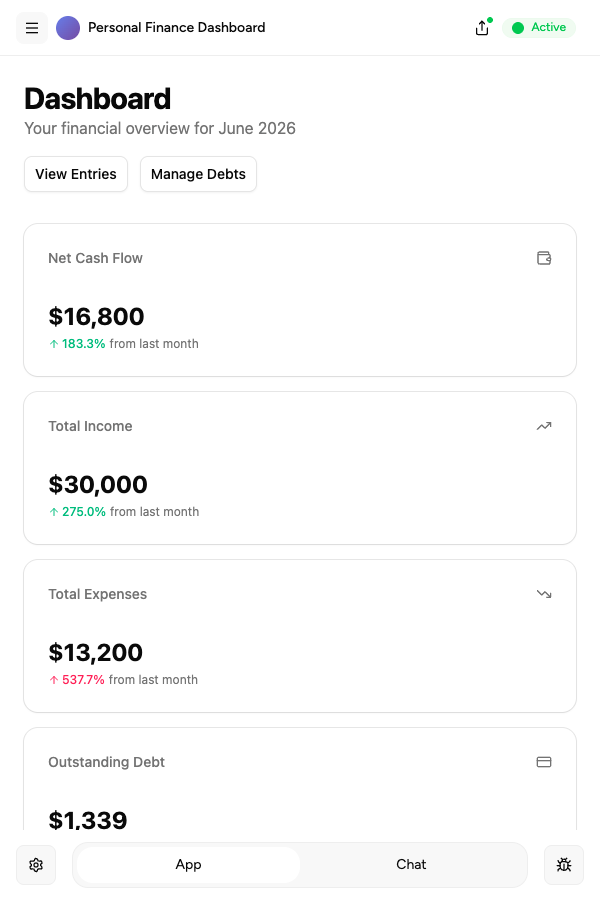
Appaca is the AI workspace for operators. Build internal tools and AI co-workers powered by Sora 2 or o3-mini - connected to your real data and ready for your whole team. No code, no deployment.
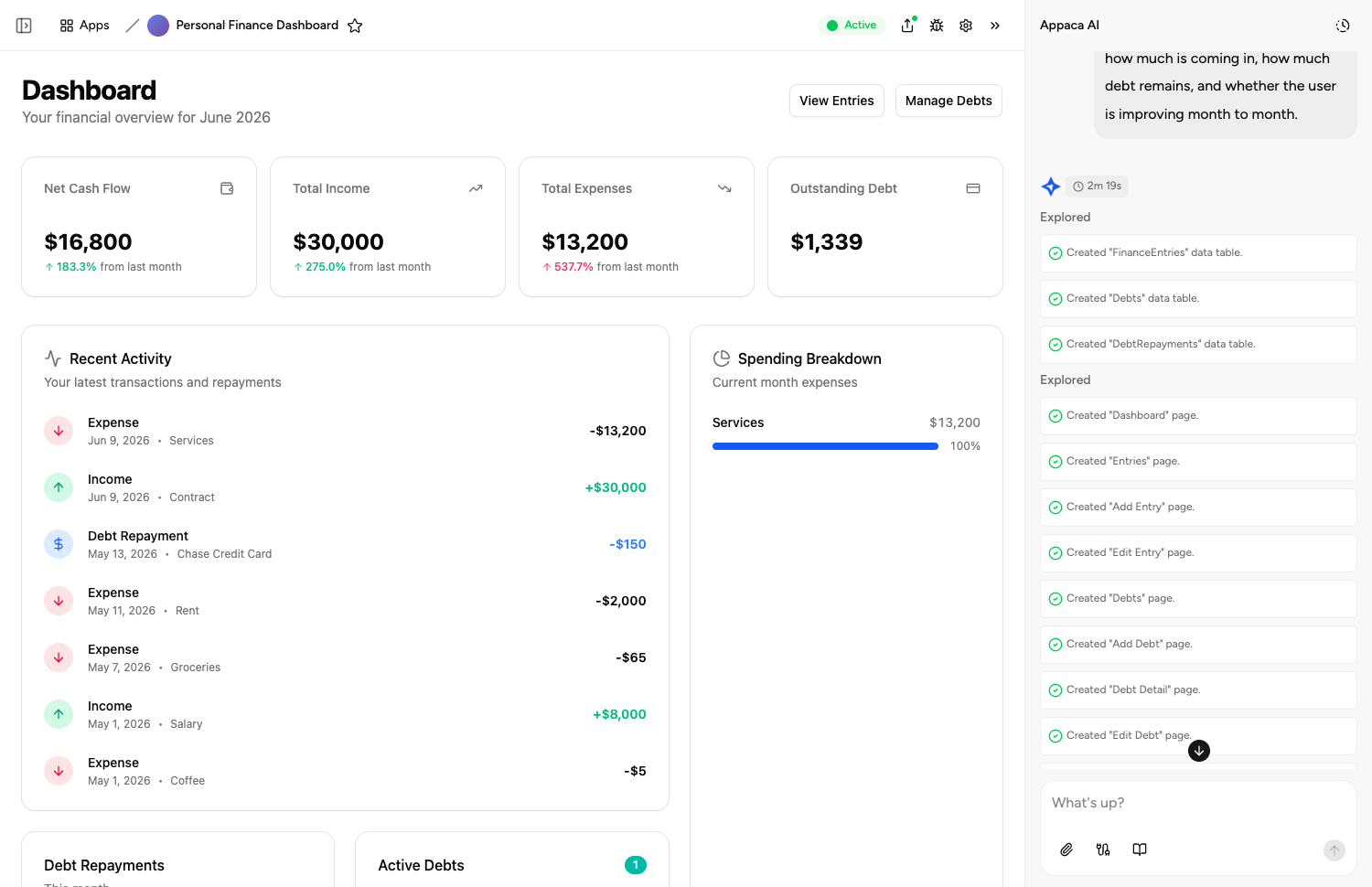
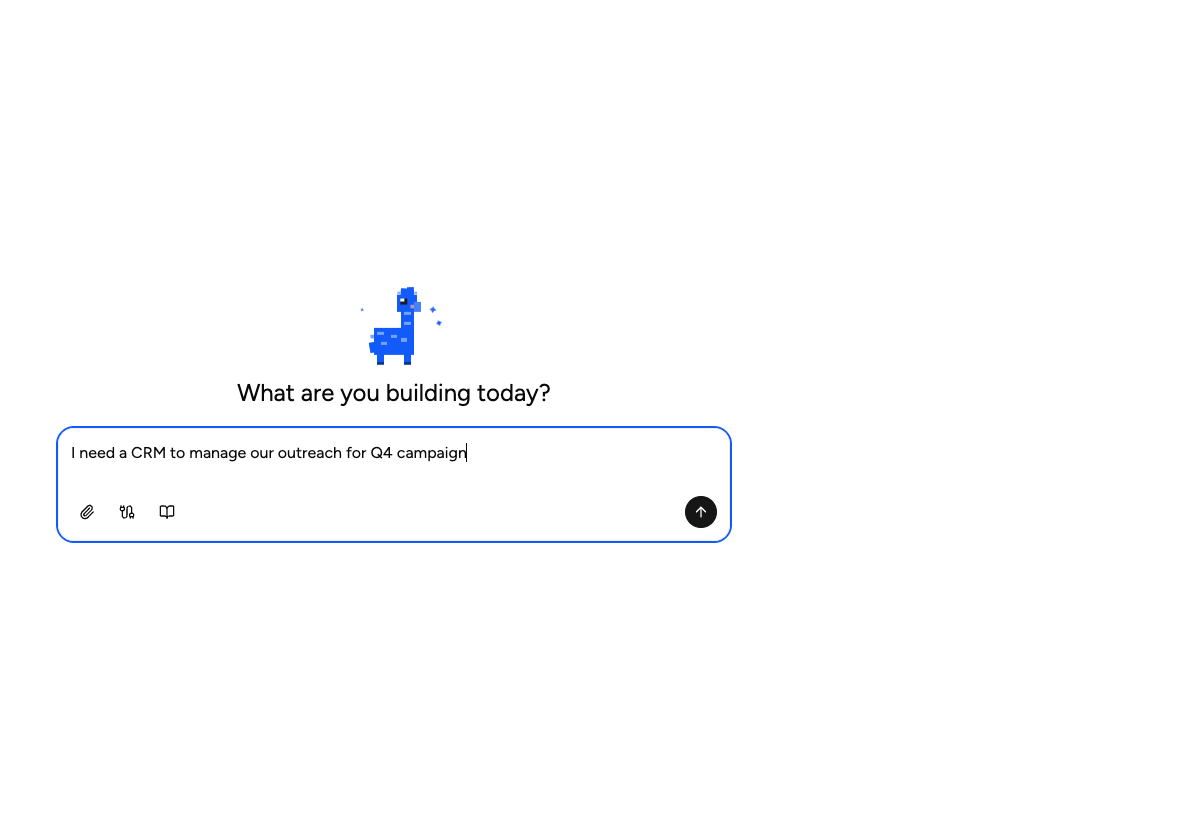
Describe it, and it's built
Tell the Appaca agent the internal tool you need and it builds a working app powered by Sora 2 or o3-mini. No code, no API keys, no deployment.
Switch models without rebuilding
Start on Sora 2, test the same tool on o3-mini, and keep whichever performs better - the rest of your app stays exactly as it is.
Automated for the whole team
Schedule tools to run on autopilot - daily digests, weekly reports, real-time triggers - and share them with your whole team from one workspace.
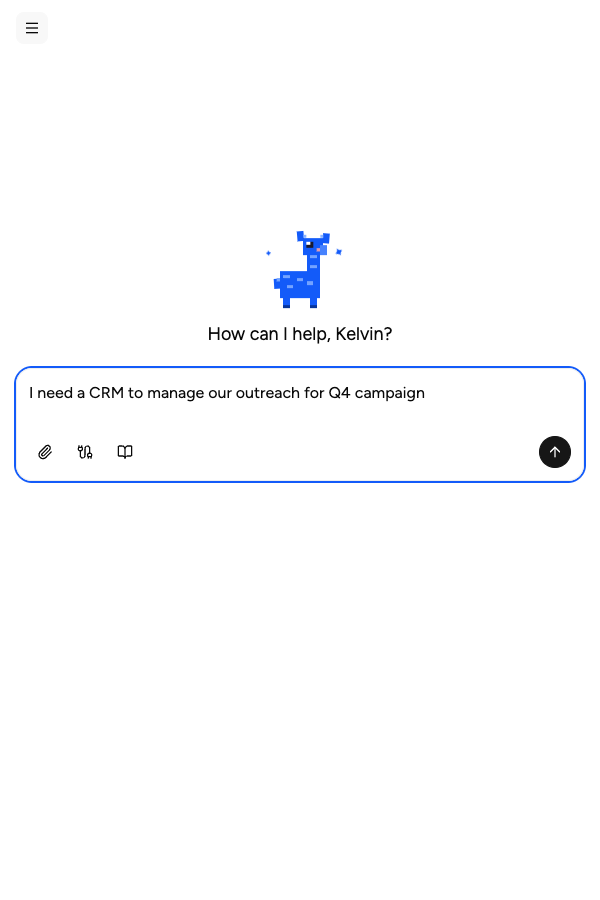
Describe it, and it's built
Tell the Appaca agent what your team needs and it builds a working app powered by Sora 2 or o3-mini - connected to the tools you already use.




Related comparisons
See how Sora 2 and o3-mini stack up against other models in the directory.
FAQs
Pricing models differ: see the full Sora 2 and o3-mini pages in the Appaca AI models directory for current pricing details.
Sora 2 has the larger context window at 400K tokens, compared to 200K tokens for o3-mini. A larger window means the model can consider more text at once - useful for long contracts, codebases, or months of records.
It depends on the job. Compare the pricing, context window, and strengths above against your workload - and remember the choice isn't permanent. In Appaca you can build a tool on Sora 2, test the same tool on o3-mini, and switch at any time without rebuilding anything.
Yes. Appaca is a no-code AI workspace: describe the internal tool your team needs and the Appaca agent builds it as a working app powered by Sora 2, o3-mini, or any other model in the directory - with a built-in database, team access, and integrations. No API keys to wire up and nothing to deploy.
Build AI tools with Sora 2 or o3-mini
Describe the tool your team needs and get a working app powered by the model you choose - with a built-in database, team access, and integrations. No code, no deployment.