
Claude 4.7 Opus vs Qwen-Plus
Compare pricing, context windows, and strengths for Claude 4.7 Opus by Anthropic and Qwen-Plus by Alibaba Cloud - and see how to put either to work in Appaca.
Claude 4.7 Opus
Anthropic's latest frontier Opus model, purpose-built for advanced software engineering, long-horizon agent work, and high-resolution multimodal reasoning.
View Claude 4.7 OpusQwen-Plus
Balanced Qwen model with strong speed, cost efficiency, and optional reasoning mode.
View Qwen-PlusClaude 4.7 Opus vs Qwen-Plus at a glance
Specs and pricing side by side, from the Appaca AI models directory.
| Spec | Claude 4.7 Opus | Qwen-Plus |
|---|---|---|
| Provider | Anthropic | Alibaba Cloud |
| Model type | Text | Text |
| Context window | 1M tokens | 1M tokens |
| Input price | $5 / 1M tokens | $0.115 / 1M tokens |
| Output price | $25 / 1M tokens | $0.287 / 1M tokens |
| Status | Current | Current |
How Claude 4.7 Opus and Qwen-Plus differ
What the numbers mean in practice when choosing between Claude 4.7 Opus and Qwen-Plus.
-
Qwen-Plus is 98% cheaper on input tokens ($0.115 vs $5 per million), which adds up quickly in document-heavy workloads.
-
Qwen-Plus is 99% cheaper on output tokens ($0.287 vs $25 per million) - the bigger factor for tools that generate long documents.
-
Both models offer the same 1M tokens context window.
Strengths side by side
Where each model shines, according to benchmarks and provider positioning.
Claude 4.7 Opus
1. State-of-the-art software engineering
- A notable upgrade over Opus 4.6 on the hardest coding tasks, with users reporting they can hand off work that previously required close supervision.
- Early partners reported double-digit gains on real-world benchmarks - e.g., Cursor saw CursorBench jump from 58% to 70%, and Rakuten-SWE-Bench resolution tripled versus Opus 4.6.
- Handles complex, long-running tasks with rigor: plans carefully, catches its own logical faults, and verifies its outputs before reporting back.
2. Long-horizon agent reliability
- Full 1M token context window at standard pricing, with state-of-the-art long-context consistency.
- Far fewer tool errors, stronger recovery from tool failures, and better follow-through on multi-step workflows - designed for async work like CI/CD, automations, and managing multiple agents in parallel.
- Stronger file-system-based memory, retaining useful notes across long, multi-session runs.
3. Sharper instruction following and honesty
- Takes instructions literally and precisely - existing prompts may need re-tuning since earlier models were more lenient.
- More honest about its own limits: reports missing data instead of fabricating plausible-but-wrong answers, and resists dissonant-data traps that tripped up Opus 4.6.
4. Substantially improved vision and multimodal reasoning
- Accepts images up to 2,576 px on the long edge (~3.75 MP) - over 3x more than prior Claude models.
- Unlocks dense-screenshot computer use, complex diagram extraction, and pixel-perfect reference tasks.
- Stronger document reasoning for enterprise analysis (e.g., 21% fewer errors than Opus 4.6 on Databricks' OfficeQA Pro).
5. Top-tier professional knowledge work
- State-of-the-art on the Finance Agent evaluation and GDPval-AA, with tighter, more professional finance analyses, models, and presentations.
- Strong on legal work - e.g., 90.9% on BigLaw Bench at high effort, with better-calibrated reasoning on review tables and ambiguous edits.
- Noted by design-focused partners as the best model for building dashboards and data-rich interfaces.
6. Modern effort and budget controls
- Introduces a new
xhigheffort level betweenhighandmaxfor finer control over reasoning vs. latency. - Task budgets (public beta) let developers guide token spend across long runs.
- Recommended to start with
highorxhigheffort for coding and agentic use cases.
Qwen-Plus
1. Excellent balance of performance and cost
- Faster and cheaper than Max but still powerful.
2. Optional thinking mode
- Enhanced reasoning when needed.
- Non-thinking mode is very fast and cheap.
3. Huge context window
- Up to 1M tokens for long-document workflows.
4. Strong multilingual understanding
- Supports 100+ languages.
Use Claude 4.7 Opus or Qwen-Plus - or both
Appaca is the AI workspace for operators. Build internal tools and AI co-workers powered by Claude 4.7 Opus or Qwen-Plus - connected to your real data and ready for your whole team. No code, no deployment.
Describe it, and it's built
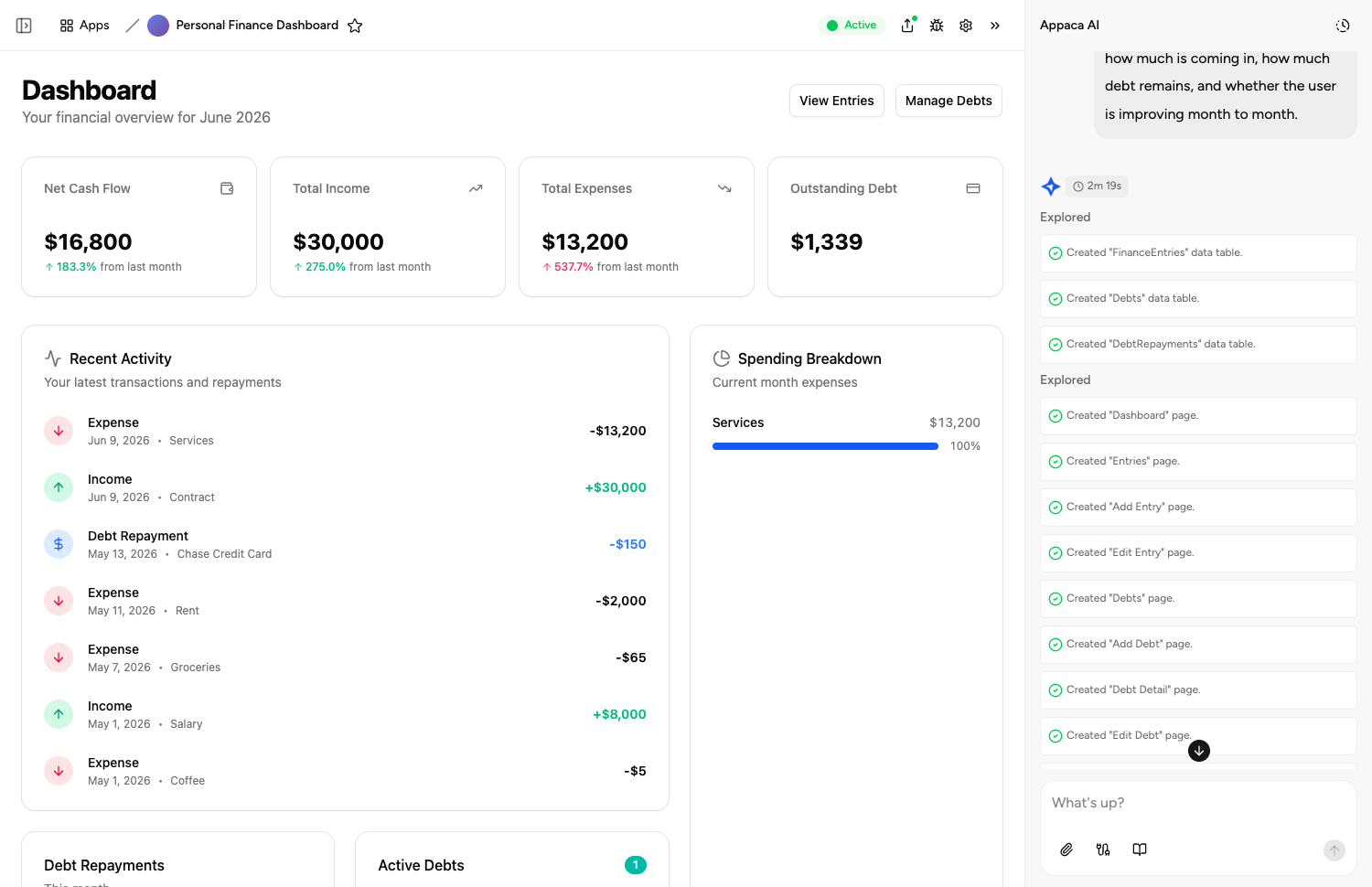
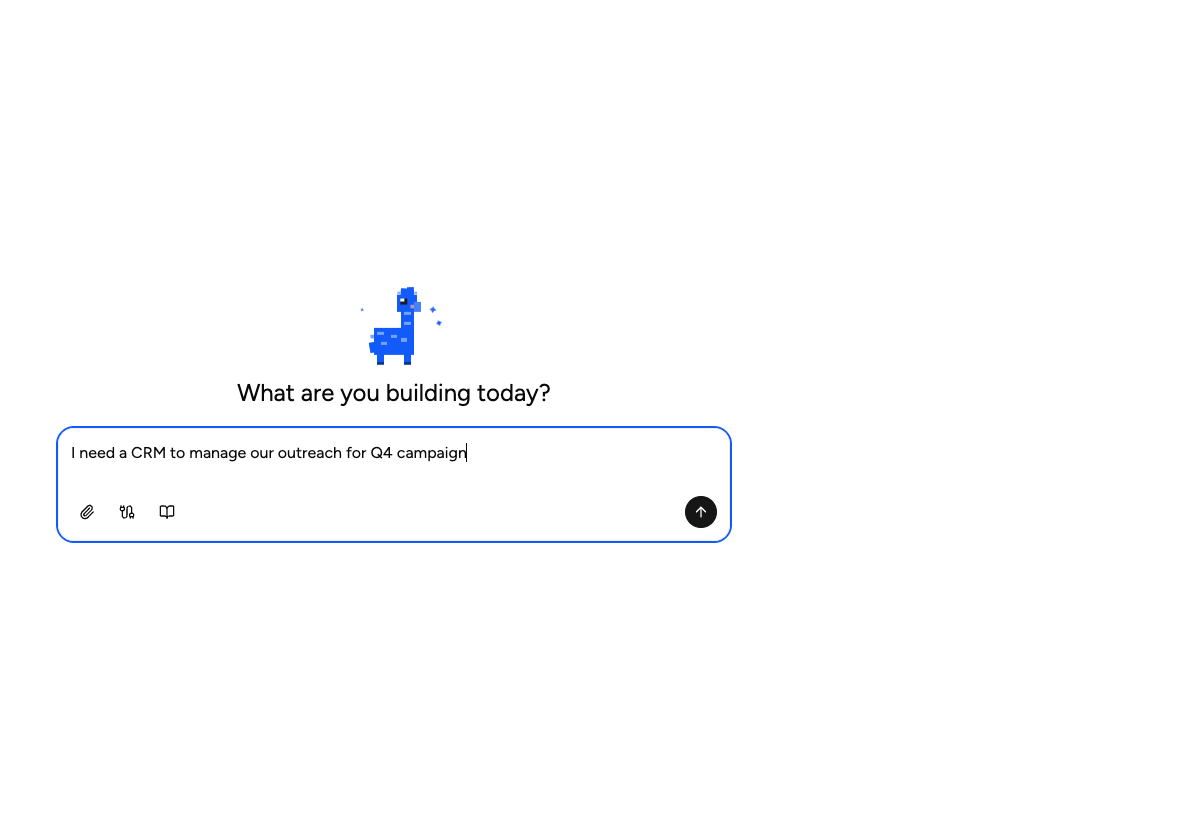
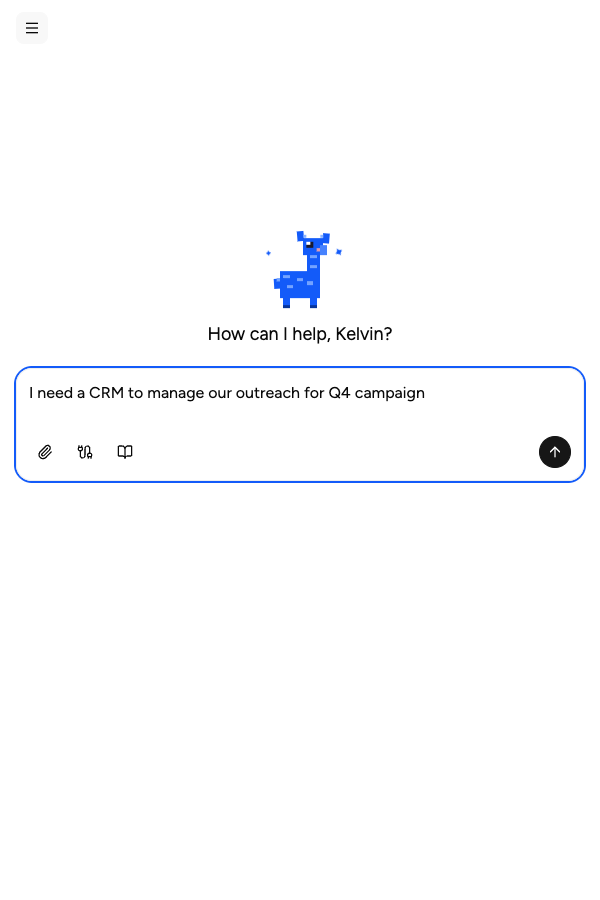
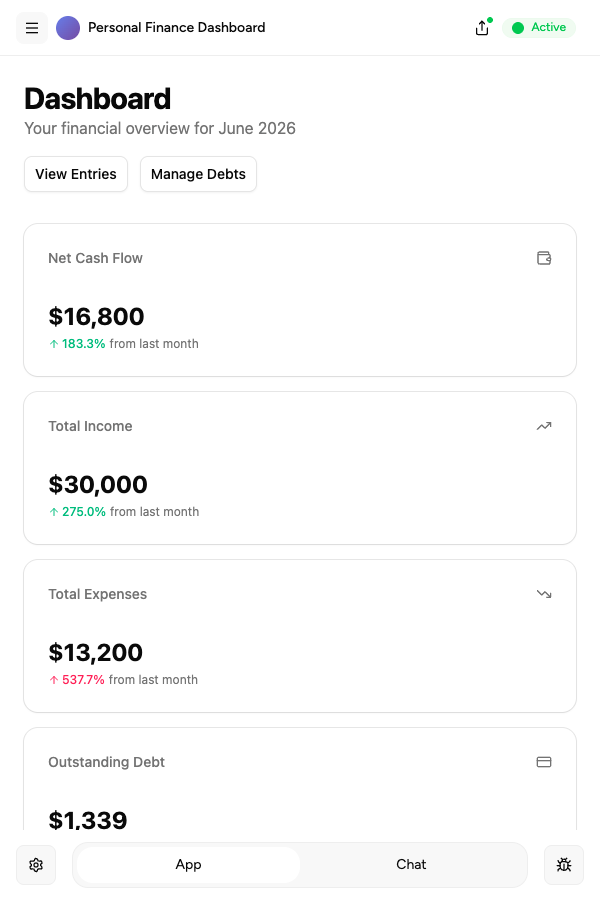
Tell the Appaca agent the internal tool you need and it builds a working app powered by Claude 4.7 Opus or Qwen-Plus. No code, no API keys, no deployment.
Switch models without rebuilding
Start on Claude 4.7 Opus, test the same tool on Qwen-Plus, and keep whichever performs better - the rest of your app stays exactly as it is.
Automated for the whole team
Schedule tools to run on autopilot - daily digests, weekly reports, real-time triggers - and share them with your whole team from one workspace.
Describe it, and it's built
Tell the Appaca agent what your team needs and it builds a working app powered by Claude 4.7 Opus or Qwen-Plus - connected to the tools you already use.





Related comparisons
See how Claude 4.7 Opus and Qwen-Plus stack up against other models in the directory.
FAQs
Qwen-Plus is generally cheaper: $0.115 input / $0.287 output per million tokens, versus $5 / $25 for Claude 4.7 Opus. Actual cost depends on how many tokens your workload reads and writes.
They are equal: both Claude 4.7 Opus and Qwen-Plus support a 1M tokens context window.
It depends on the job. Compare the pricing, context window, and strengths above against your workload - and remember the choice isn't permanent. In Appaca you can build a tool on Claude 4.7 Opus, test the same tool on Qwen-Plus, and switch at any time without rebuilding anything.
Yes. Appaca is a no-code AI workspace: describe the internal tool your team needs and the Appaca agent builds it as a working app powered by Claude 4.7 Opus, Qwen-Plus, or any other model in the directory - with a built-in database, team access, and integrations. No API keys to wire up and nothing to deploy.
Build AI tools with Claude 4.7 Opus or Qwen-Plus
Describe the tool your team needs and get a working app powered by the model you choose - with a built-in database, team access, and integrations. No code, no deployment.