
GPT-5 Nano vs Claude 4.1 Opus
Compare pricing, context windows, and strengths for GPT-5 Nano by OpenAI and Claude 4.1 Opus by Anthropic - and see how to put either to work in Appaca.
GPT-5 Nano
The fastest and cheapest GPT-5 variant, ideal for summarization, classification, and lightweight tasks requiring high speed and low cost.
View GPT-5 NanoClaude 4.1 Opus
A refined flagship model with improved coding, reasoning, research depth, and agentic task performance over Opus 4.
View Claude 4.1 OpusGPT-5 Nano vs Claude 4.1 Opus at a glance
Specs and pricing side by side, from the Appaca AI models directory.
| Spec | GPT-5 Nano | Claude 4.1 Opus |
|---|---|---|
| Provider | OpenAI | Anthropic |
| Model type | Text | Text |
| Context window | 400K tokens | 1M tokens |
| Input price | $0.05 / 1M tokens | $15 / 1M tokens |
| Output price | $0.4 / 1M tokens | $75 / 1M tokens |
| Status | Current | Superseded by Claude 4.5 Opus |
How GPT-5 Nano and Claude 4.1 Opus differ
What the numbers mean in practice when choosing between GPT-5 Nano and Claude 4.1 Opus.
-
GPT-5 Nano is 100% cheaper on input tokens ($0.05 vs $15 per million), which adds up quickly in document-heavy workloads.
-
GPT-5 Nano is 99% cheaper on output tokens ($0.4 vs $75 per million) - the bigger factor for tools that generate long documents.
-
Claude 4.1 Opus's 1M tokens context window is roughly 2.5x larger than GPT-5 Nano's 400K tokens, so it can work across bigger codebases, contracts, or archives in one pass.
-
Claude 4.1 Opus has been superseded by Claude 4.5 Opus - for new builds, consider the newer model first.
Strengths side by side
Where each model shines, according to benchmarks and provider positioning.
GPT-5 Nano
1. Extremely fast performance
- Fastest model in the GPT-5 family.
- Great for real-time workflows, rapid responses, and high-throughput systems.
2. Most cost-efficient GPT-5 model
- Lowest input and output token costs.
- Suitable for large-scale or budget-sensitive applications.
3. Ideal for lightweight, well-scoped tasks
- Excels at summarization, classification, text extraction, and simple logic tasks.
- Best used when tasks are narrow and well-defined.
4. Multimodal input
- Accepts text + image as input.
- Outputs text only.
5. Broad tool support
- Supports Web Search, File Search, Image Generation (as a tool), Code Interpreter, and MCP.
- (Does not support Computer Use.)
Claude 4.1 Opus
1. Advanced Coding Performance
Achieves 74.5% on SWE-bench Verified, improving the Claude family's state-of-the-art coding abilities.
Stronger at:
- Multi-file code refactoring
- Large codebase debugging
- Pinpointing exact corrections without unnecessary edits
Outperforms Opus 4 and shows gains comparable to jumps seen in past major releases.
2. Improved Agentic & Research Capabilities
- Better at maintaining detail accuracy in long research tasks.
- Enhanced agentic search and step-by-step problem solving.
- Performs reliably across complex multi-turn reasoning tasks.
3. Validated by Real-World Users
- GitHub: Better multi-file refactoring and code adjustments.
- Rakuten Group: High precision debugging with minimal collateral changes.
- Windsurf: One standard deviation improvement on their junior dev benchmark - similar magnitude to Sonnet 3.7 → Sonnet 4.
4. Hybrid-Reasoning Benchmark Improvements
- Improvements across TAU-bench, GPQA Diamond, MMMLU, MMMU, AIME (with extended thinking).
- Stronger robustness in long-context reasoning tasks.
Use GPT-5 Nano or Claude 4.1 Opus - or both
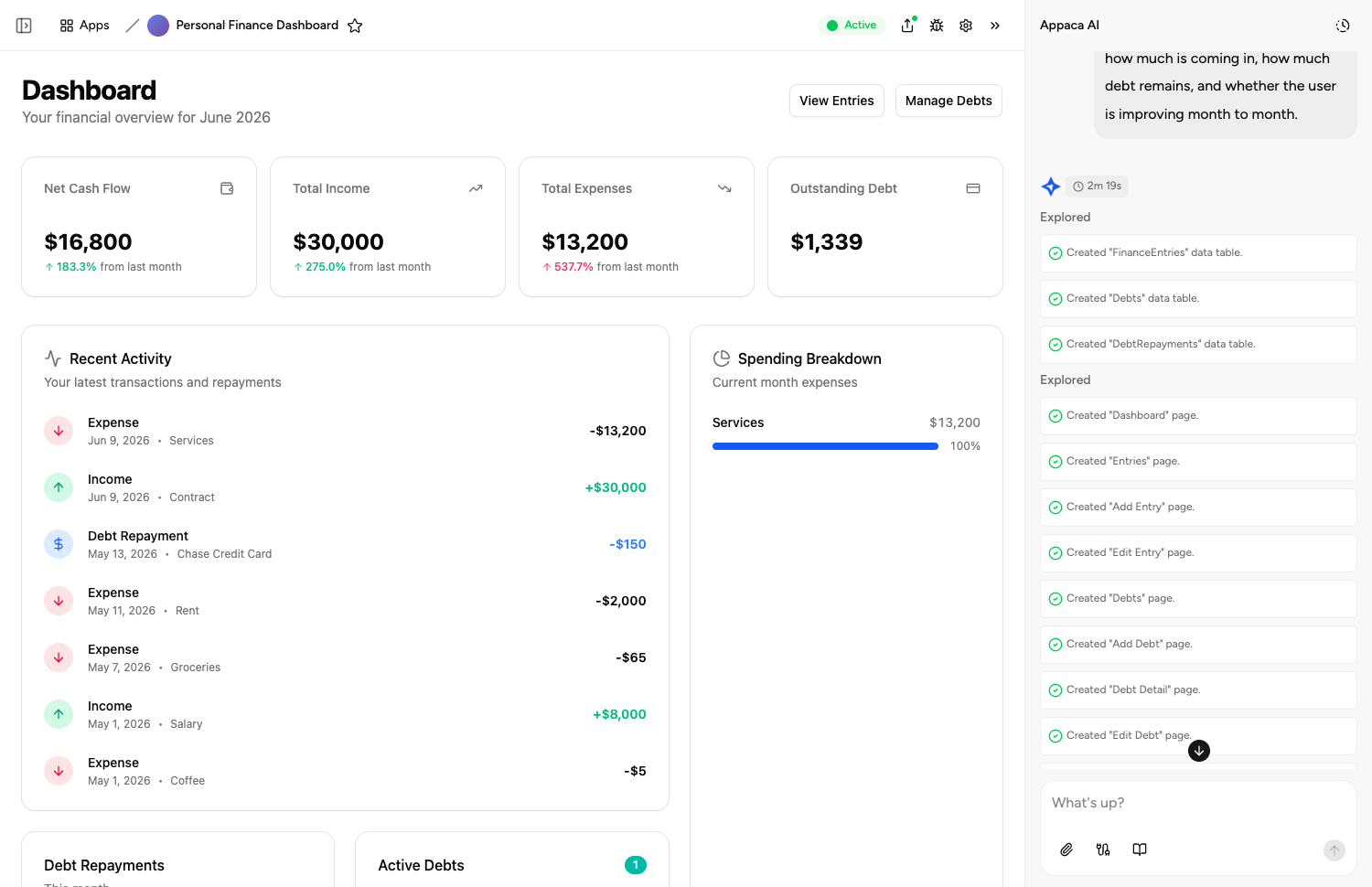
Appaca is the AI workspace for operators. Build internal tools and AI co-workers powered by GPT-5 Nano or Claude 4.1 Opus - connected to your real data and ready for your whole team. No code, no deployment.
Describe it, and it's built
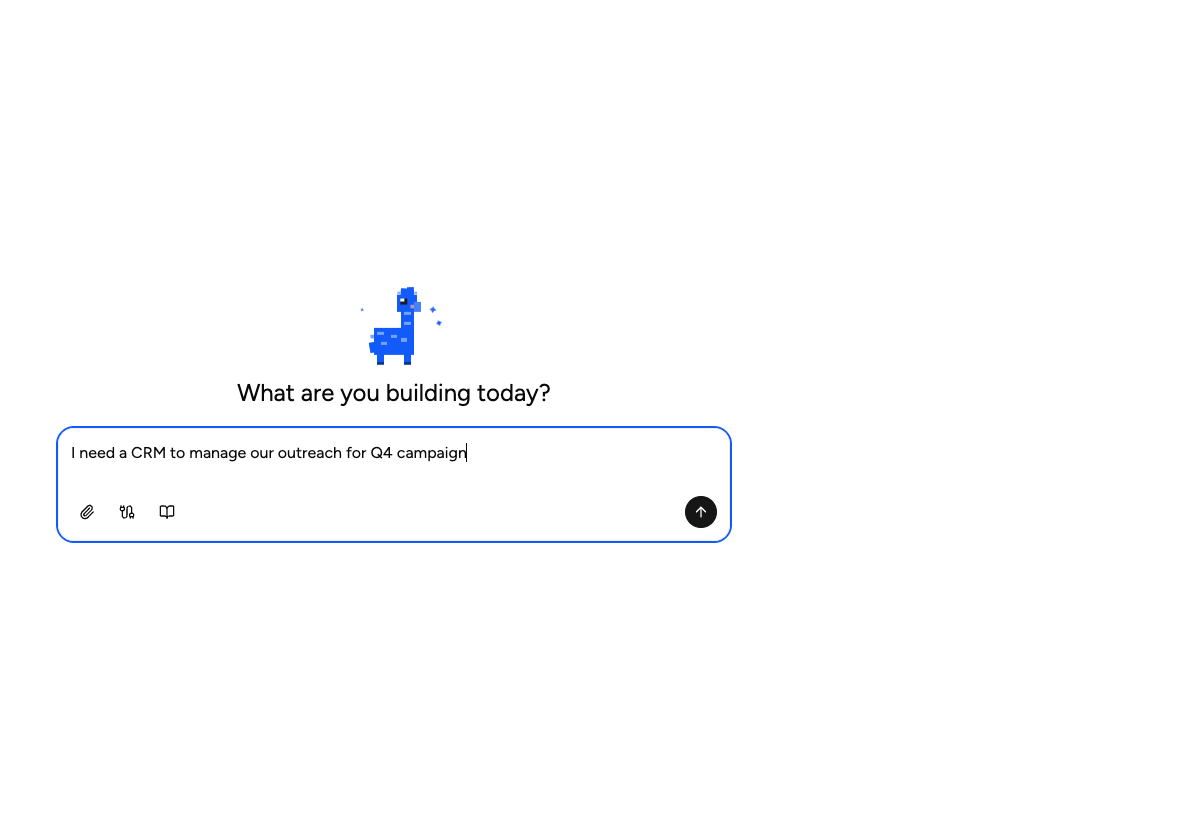
Tell the Appaca agent the internal tool you need and it builds a working app powered by GPT-5 Nano or Claude 4.1 Opus. No code, no API keys, no deployment.
Switch models without rebuilding
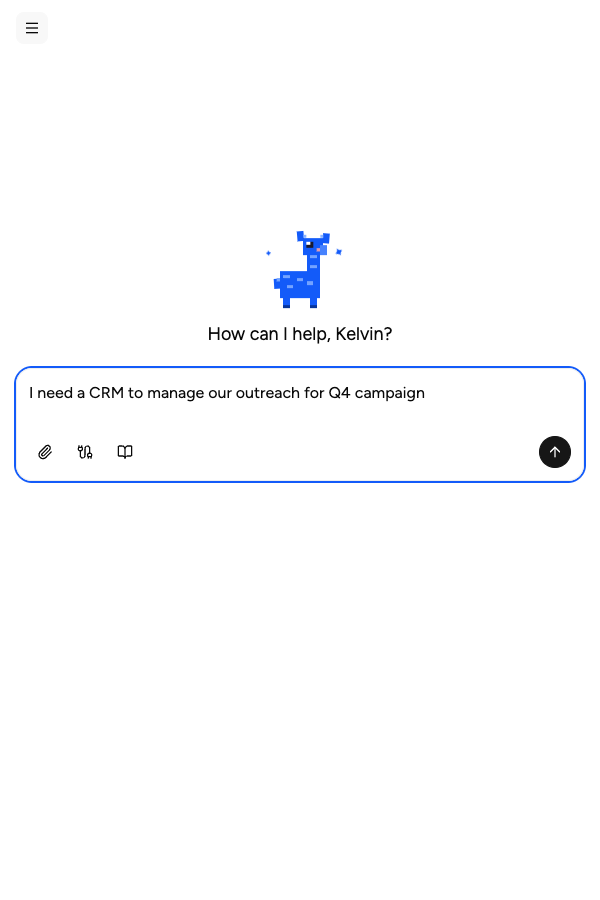
Start on GPT-5 Nano, test the same tool on Claude 4.1 Opus, and keep whichever performs better - the rest of your app stays exactly as it is.
Automated for the whole team
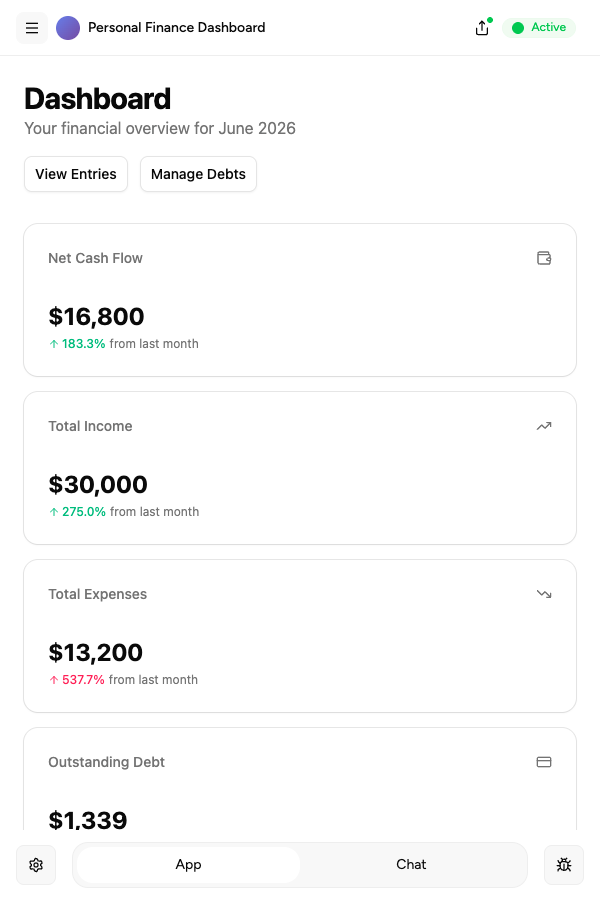
Schedule tools to run on autopilot - daily digests, weekly reports, real-time triggers - and share them with your whole team from one workspace.
Describe it, and it's built
Tell the Appaca agent what your team needs and it builds a working app powered by GPT-5 Nano or Claude 4.1 Opus - connected to the tools you already use.





Related comparisons
See how GPT-5 Nano and Claude 4.1 Opus stack up against other models in the directory.
FAQs
GPT-5 Nano is generally cheaper: $0.05 input / $0.4 output per million tokens, versus $15 / $75 for Claude 4.1 Opus. Actual cost depends on how many tokens your workload reads and writes.
Claude 4.1 Opus has the larger context window at 1M tokens, compared to 400K tokens for GPT-5 Nano. A larger window means the model can consider more text at once - useful for long contracts, codebases, or months of records.
It depends on the job. Compare the pricing, context window, and strengths above against your workload - and remember the choice isn't permanent. In Appaca you can build a tool on GPT-5 Nano, test the same tool on Claude 4.1 Opus, and switch at any time without rebuilding anything.
Yes. Appaca is a no-code AI workspace: describe the internal tool your team needs and the Appaca agent builds it as a working app powered by GPT-5 Nano, Claude 4.1 Opus, or any other model in the directory - with a built-in database, team access, and integrations. No API keys to wire up and nothing to deploy.
Build AI tools with GPT-5 Nano or Claude 4.1 Opus
Describe the tool your team needs and get a working app powered by the model you choose - with a built-in database, team access, and integrations. No code, no deployment.