
Best AI Models for Coding
The right LLM for coding can generate correct functions, catch subtle bugs, explain complex logic, and operate autonomously across large codebases. The gap between top and bottom performers on real-world coding benchmarks is substantial - choosing the wrong model slows development and introduces errors that are costly to find and fix.
Top AI models for Coding
Ranked by real-world performance on coding tasks - pricing, context windows, and strengths for each.
GPT-5.5
text 1M tokens contextOpenAI's smartest and most capable model yet for agentic coding, knowledge work, and computer use, delivering a new class of intelligence at GPT-5.4 latency.
GPT-5.4
text 1.1M tokens contextOpenAI's frontier model for complex professional work with best intelligence at scale for agentic, coding, and professional workflows.
Claude 4 Opus
text 200K tokens contextThe flagship model, focused on deep reasoning, large-scale coding and sustained multi-step agentic workflows.
Claude 4 Sonnet
text 1M tokens contextA balanced-hybrid reasoning model tuned for everyday assistant and high-volume tasks.
Evaluation criteria for Coding
The four factors that matter most when choosing an AI model for coding tasks.
Code accuracy and correctness across languages
Debugging and error explanation quality
Context window size for large codebases
Agentic coding and autonomous task completion
Compare top Coding models
Side-by-side pricing, specs, and strengths for every pair of top coding models.
GPT-5.5 vs GPT-5.4
OpenAI vs OpenAI for coding - pricing, context windows, and strengths compared.
See the comparisonGPT-5.5 vs Claude 4 Opus
OpenAI vs Anthropic for coding - pricing, context windows, and strengths compared.
See the comparisonGPT-5.5 vs Claude 4 Sonnet
OpenAI vs Anthropic for coding - pricing, context windows, and strengths compared.
See the comparisonGPT-5.4 vs Claude 4 Opus
OpenAI vs Anthropic for coding - pricing, context windows, and strengths compared.
See the comparisonGPT-5.4 vs Claude 4 Sonnet
OpenAI vs Anthropic for coding - pricing, context windows, and strengths compared.
See the comparisonClaude 4 Sonnet vs Claude 4 Opus
Anthropic vs Anthropic for coding - pricing, context windows, and strengths compared.
See the comparisonBuild Coding tools with the right model
Appaca is the AI workspace for operators. Build internal tools and AI co-workers powered by any of these models - connected to your real data and ready for your whole team. No code, no deployment.
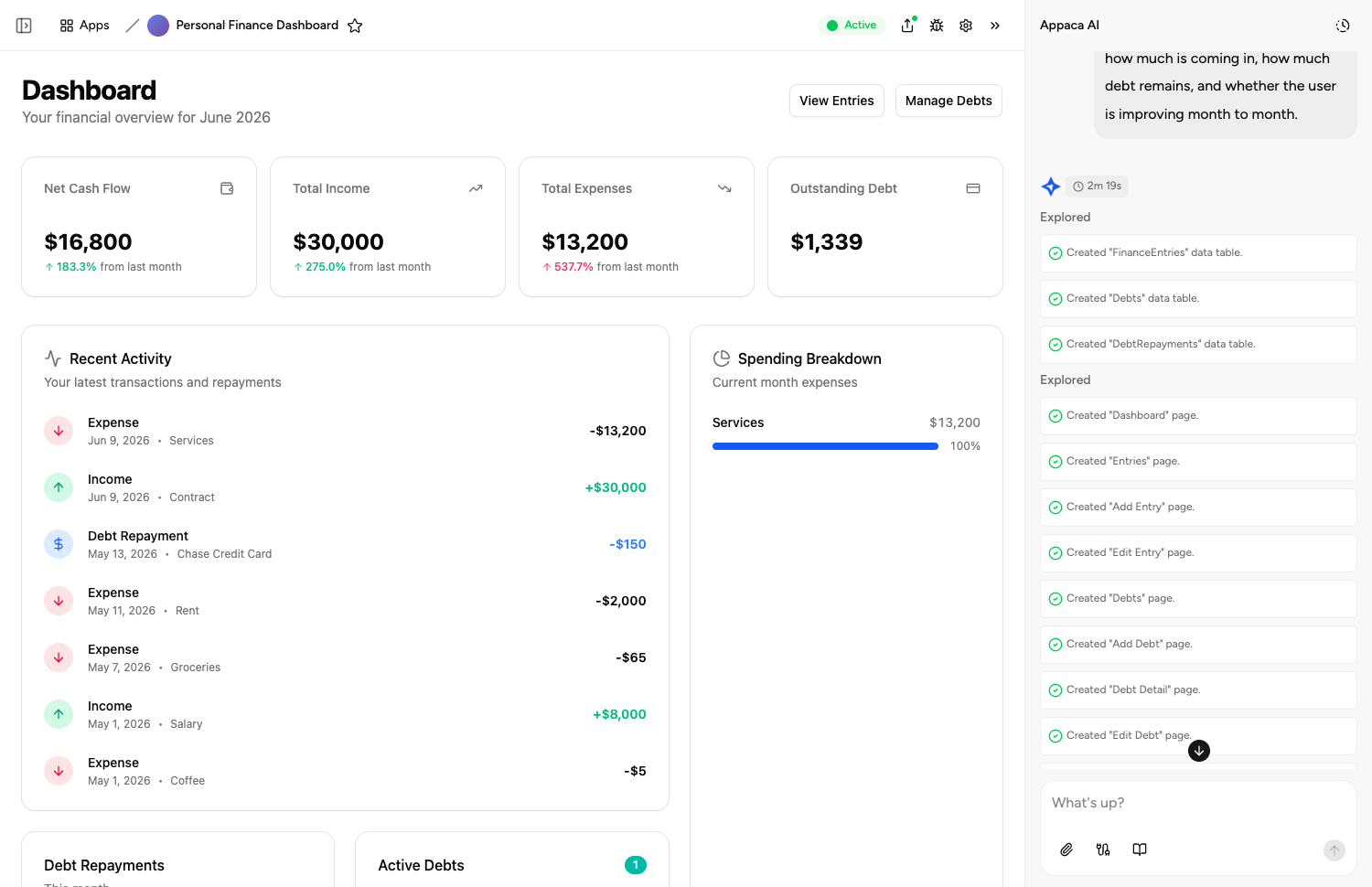
Build coding tools instantly
Tell the Appaca agent the internal tool you need and it builds a working app powered by the model you choose for coding. No code, no API keys, no deployment.
Connected to your real data
Connect Slack, Notion, Google Sheets, Airtable, and more, plus a built-in database - so your AI tools work with your team's real context instead of generic answers.
Automated for the whole team
Schedule tools to run on autopilot - daily digests, weekly reports, real-time triggers - and share them with your whole team from one workspace.
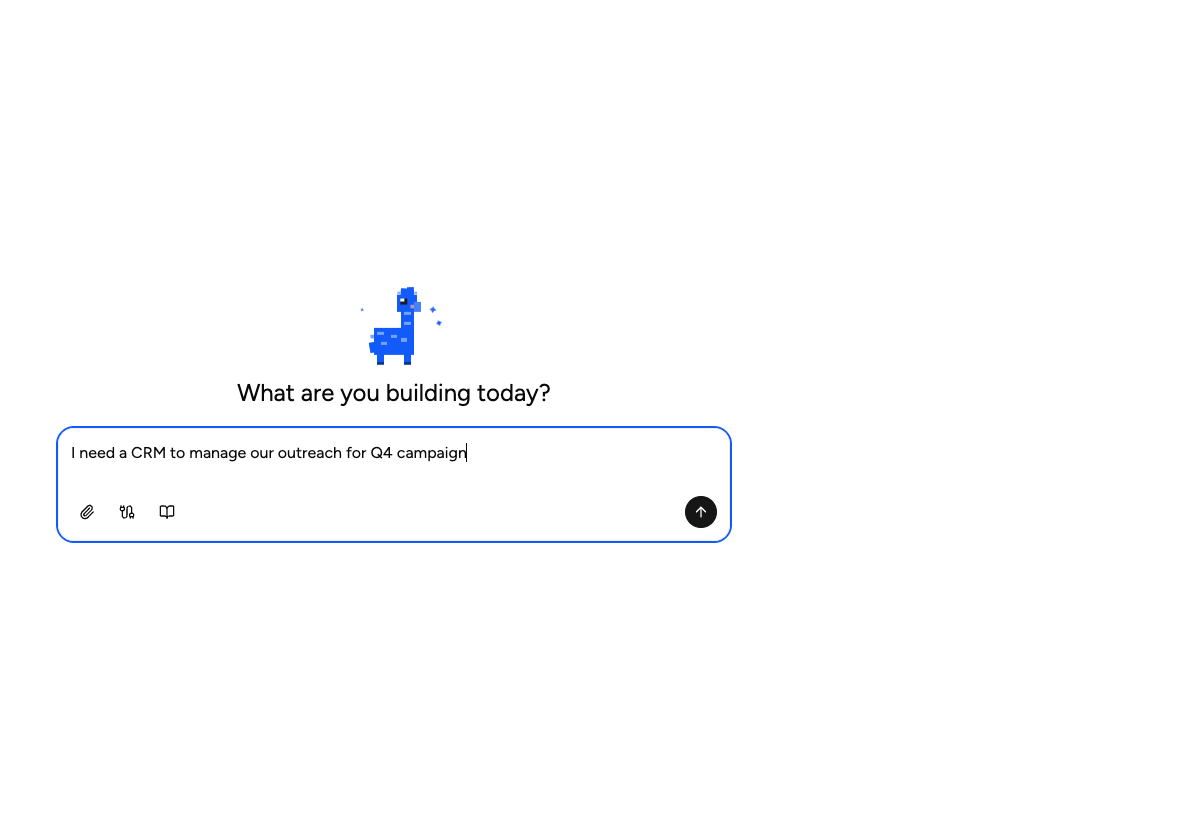
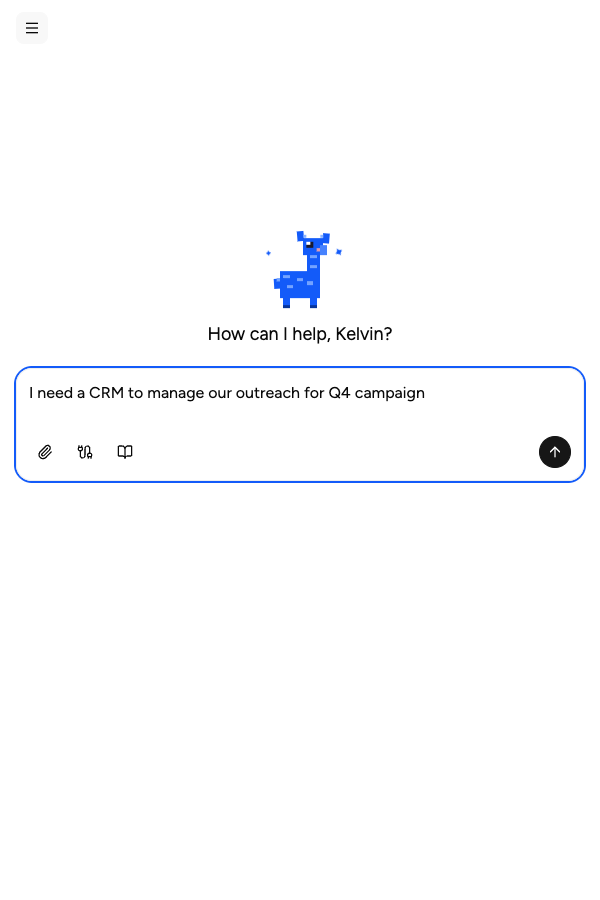
Describe it, and it's built
Tell the Appaca agent what your team needs and it builds a working app powered by the model you choose - connected to the tools you already use.




Explore more use cases
Top-ranked AI models for other common business tasks.
FAQs
GPT-5.5 and Claude 4 Opus are the top-performing coding LLMs in 2026, leading on benchmarks like HumanEval and SWE-bench. GPT-5.5 excels at code completion and agentic task execution; Claude 4 Opus is preferred for complex reasoning and architectural decisions. Gemini 2.5 Pro is a strong third option, especially for Python-heavy workflows and multi-step reasoning tasks.
Yes, but with human review. Modern LLMs like GPT-5.5 and Claude 4 Opus can generate production-quality code for many tasks, but they can introduce subtle bugs, security vulnerabilities, and may not respect your codebase conventions without explicit instructions. Use LLMs to accelerate development, not replace engineering review.
Both are strong debuggers. Claude 4 Opus provides more thorough reasoning about why a bug exists and is better for multi-step debugging sessions where understanding root cause matters. GPT-5.5 is faster and more direct with the fix. For large stack traces and complex runtime errors, Claude's extended thinking mode gives a clear advantage.
For most single-file and small-project tasks, 32K-128K tokens is sufficient. For large codebases, full-repo indexing, or reviewing multiple files at once, you need 200K+ tokens. Gemini 2.5 Pro and Claude 4 Opus offer up to 1M token contexts, making them better suited for enterprise-scale code review and refactoring sessions.
Claude 4 Sonnet and GPT-5.4 offer the best cost-to-quality ratio for routine coding tasks like autocomplete, boilerplate generation, and test writing. For complex tasks that require fewer retries and less correction, investing in GPT-5.5 or Claude 4 Opus often results in lower total cost despite higher per-token pricing.
Build AI tools for Coding
Describe the coding tool your team needs and get a working app powered by the right model - with a built-in database, team access, and integrations. No code, no deployment.