Best AI Models for Legal
Legal applications demand precision above all else - a poorly worded clause or missed risk can have significant financial and legal consequences. The best legal LLMs combine large context windows for full-document review with careful, disclaimer-aware output and the ability to identify ambiguous or missing language.
Top AI models for Legal
Ranked by real-world performance on legal tasks - pricing, context windows, and strengths for each.
Claude 4 Opus
text 200K tokens contextThe flagship model, focused on deep reasoning, large-scale coding and sustained multi-step agentic workflows.
GPT-5.5
text 1M tokens contextOpenAI's smartest and most capable model yet for agentic coding, knowledge work, and computer use, delivering a new class of intelligence at GPT-5.4 latency.
GPT-5.4
text 1.1M tokens contextOpenAI's frontier model for complex professional work with best intelligence at scale for agentic, coding, and professional workflows.
Claude 4 Sonnet
text 1M tokens contextA balanced-hybrid reasoning model tuned for everyday assistant and high-volume tasks.
Evaluation criteria for Legal
The four factors that matter most when choosing an AI model for legal tasks.
Precision and accuracy in legal language
Ability to identify risks and ambiguous clauses
Appropriate caveats and professional disclaimers
Handling long documents within context window
Compare top Legal models
Side-by-side pricing, specs, and strengths for every pair of top legal models.
GPT-5.5 vs Claude 4 Opus
OpenAI vs Anthropic for legal - pricing, context windows, and strengths compared.
See the comparisonGPT-5.4 vs Claude 4 Opus
OpenAI vs Anthropic for legal - pricing, context windows, and strengths compared.
See the comparisonClaude 4 Sonnet vs Claude 4 Opus
Anthropic vs Anthropic for legal - pricing, context windows, and strengths compared.
See the comparisonGPT-5.5 vs GPT-5.4
OpenAI vs OpenAI for legal - pricing, context windows, and strengths compared.
See the comparisonGPT-5.5 vs Claude 4 Sonnet
OpenAI vs Anthropic for legal - pricing, context windows, and strengths compared.
See the comparisonGPT-5.4 vs Claude 4 Sonnet
OpenAI vs Anthropic for legal - pricing, context windows, and strengths compared.
See the comparisonBuild Legal tools with the right model
Appaca is the AI workspace for operators. Build internal tools and AI co-workers powered by any of these models - connected to your real data and ready for your whole team. No code, no deployment.
Build legal tools instantly
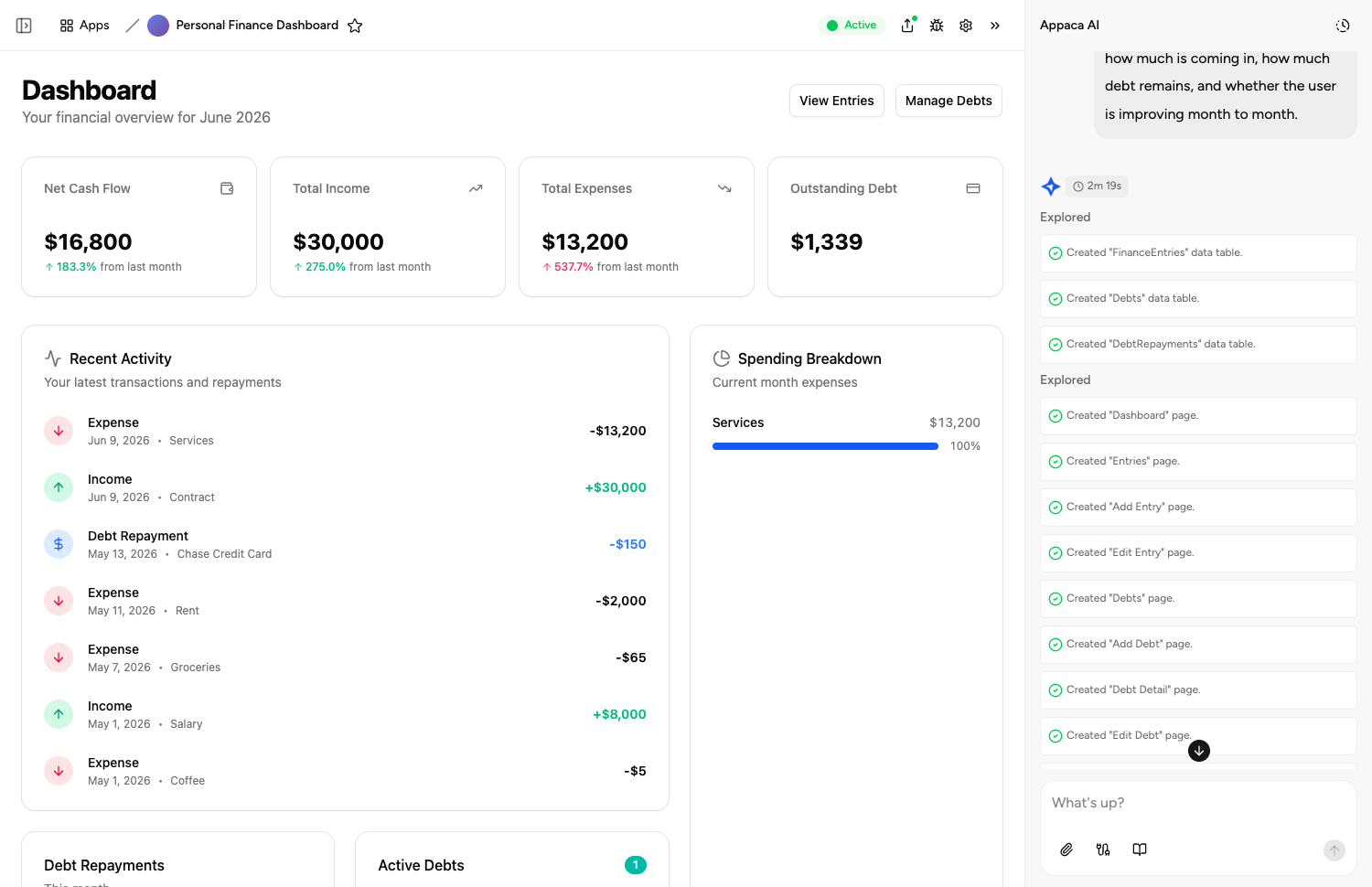
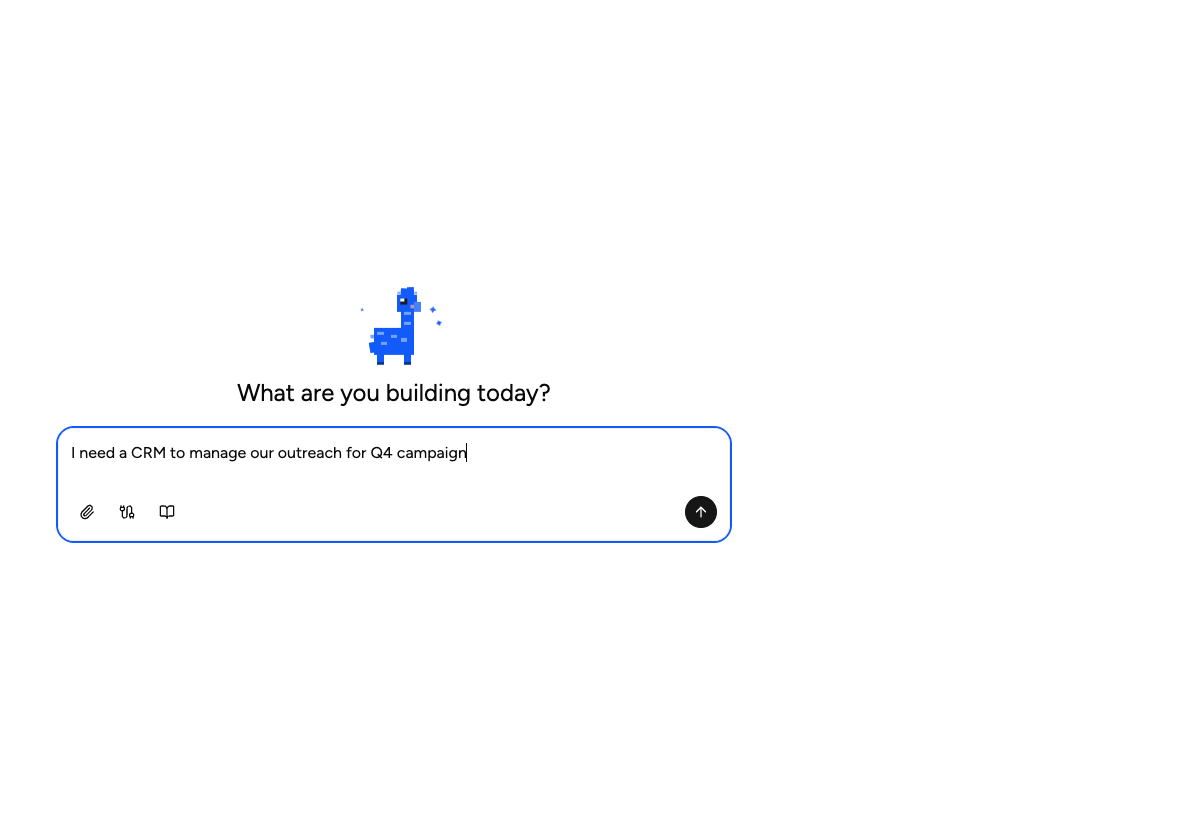
Tell the Appaca agent the internal tool you need and it builds a working app powered by the model you choose for legal. No code, no API keys, no deployment.
Connected to your real data
Connect Slack, Notion, Google Sheets, Airtable, and more, plus a built-in database - so your AI tools work with your team's real context instead of generic answers.
Automated for the whole team
Schedule tools to run on autopilot - daily digests, weekly reports, real-time triggers - and share them with your whole team from one workspace.
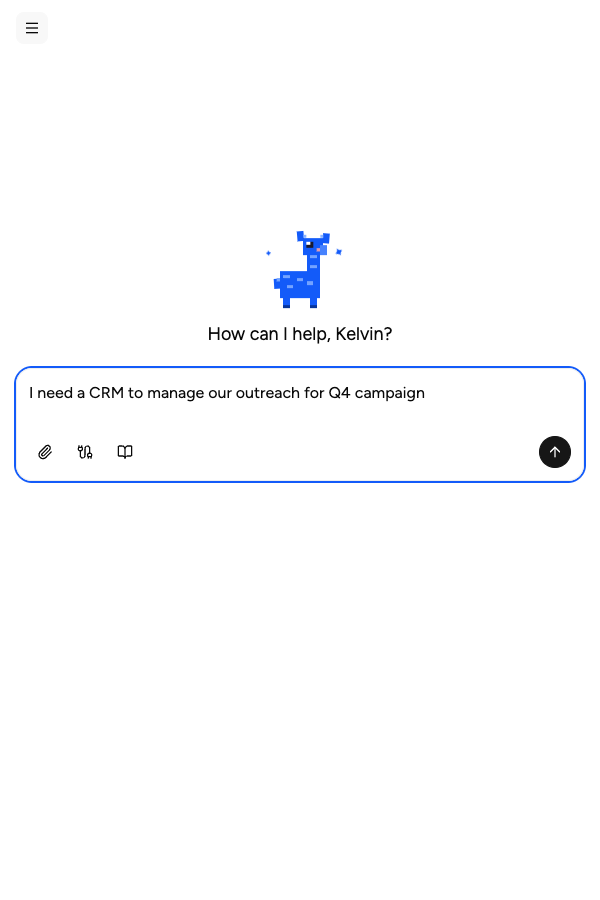
Describe it, and it's built
Tell the Appaca agent what your team needs and it builds a working app powered by the model you choose - connected to the tools you already use.





Explore more use cases
Top-ranked AI models for other common business tasks.
FAQs
Claude 4 Opus and GPT-5.5 are the top legal LLMs in 2026. Claude 4 Opus excels at identifying ambiguous clauses, drafting precise contract language, and handling nuanced legal reasoning with appropriate disclaimers. GPT-5.5 is preferred for structured document output and legal research synthesis. Both offer the large context windows needed for full contract review.
Yes, for initial review and risk flagging. LLMs like Claude 4 Opus can identify missing clauses, unusual terms, one-sided language, and common risks in standard commercial contracts with high accuracy. However, they should supplement - not replace - qualified legal review. Use LLMs to accelerate the review process and surface issues for a solicitor or in-house counsel to validate.
GPT-5.5 and Gemini 2.5 Pro are strongest for legal research tasks. GPT-5.5 synthesises multiple sources clearly and produces well-structured research memos. Gemini 2.5 Pro handles very long source documents effectively. For case law summarisation, Claude 4 Opus captures legal nuance better and is less likely to oversimplify complex holdings.
With proper safeguards, yes. LLMs should be used for drafting, reviewing, and researching - not for delivering final legal advice to clients. Always have a qualified lawyer review LLM-generated legal content before use. Use RAG to ground the model in your jurisdiction's statutes and precedents rather than relying on general training data, which may be out of date.
A standard NDA or service agreement fits in 8K-32K tokens. A full enterprise software licence, M&A agreement, or lengthy employment contract may require 100K-500K tokens. Claude 4 Opus and Gemini 2.5 Pro both offer 1M token context windows, making them the best choices for reviewing lengthy or multi-document legal packages in a single pass.
Build AI tools for Legal
Describe the legal tool your team needs and get a working app powered by the right model - with a built-in database, team access, and integrations. No code, no deployment.
- 7-day trial
- No credit card
- Cancel anytime