
GPT-5.1 Codex vs GPT-OSS 20B
Compare pricing, context windows, and strengths for GPT-5.1 Codex by OpenAI and GPT-OSS 20B by OpenAI - and see how to put either to work in Appaca.
GPT-5.1 Codex
Version of GPT-5.1 optimized for agentic coding inside Codex and similar environments, with strong reasoning and multimodal support.
View GPT-5.1 CodexGPT-OSS 20B
A 21-billion-parameter open-weight model from OpenAI, designed for efficient reasoning and long-context usage (≈ 128K tokens).
View GPT-OSS 20BGPT-5.1 Codex vs GPT-OSS 20B at a glance
Specs and pricing side by side, from the Appaca AI models directory.
| Spec | GPT-5.1 Codex | GPT-OSS 20B |
|---|---|---|
| Provider | OpenAI | OpenAI |
| Model type | Text | Text |
| Context window | 400K tokens | 128K tokens |
| Input price | $1.25 / 1M tokens | Free (open weight) |
| Output price | $10 / 1M tokens | Free (open weight) |
| Status | Superseded by GPT-5.2 Codex | Current |
How GPT-5.1 Codex and GPT-OSS 20B differ
What the numbers mean in practice when choosing between GPT-5.1 Codex and GPT-OSS 20B.
-
GPT-OSS 20B is an open-weight model with no per-token licensing fees, while GPT-5.1 Codex charges $1.25 per million input tokens.
-
GPT-5.1 Codex's 400K tokens context window is roughly 3.1x larger than GPT-OSS 20B's 128K tokens, so it can work across bigger codebases, contracts, or archives in one pass.
-
GPT-5.1 Codex has been superseded by GPT-5.2 Codex - for new builds, consider the newer model first.
Strengths side by side
Where each model shines, according to benchmarks and provider positioning.
GPT-5.1 Codex
1. Purpose-Built for Agentic Coding
- Designed specifically for environments where the model acts as an autonomous or semi-autonomous coding agent.
- Optimized for multi-step reasoning in code tasks such as planning, refactoring, debugging, file generation, and tool coordination.
2. Enhanced Coding Intelligence
- Extends GPT-5.1's advanced reasoning capabilities to handle complex software architecture decisions.
- Better accuracy in code generation across languages (JavaScript, Python, TypeScript, Go, Rust, etc.).
- Produces cleaner, more idiomatic code aligned with modern frameworks and best practices.
3. Superior Tool Use & Code Navigation
- Excels at reading, understanding, and transforming multi-file codebases.
- Works well with Codex workflows that simulate real developer tooling.
- Strong at following function signatures, constraints, and code patterns within an existing project.
4. Long-Range Context Awareness
- 400,000-token context window enables the model to ingest large repositories or multiple files simultaneously.
- Supports deep analysis of project structures, dependencies, and cross-file logic.
5. Multi-Modal Development Capabilities
- Accepts text + image input and output - suitable for tasks like:
- Reading UI mockups or screenshots to generate code
- Understanding architectural diagrams
- Reviewing images of whiteboard sessions
6. Agentic Workflow Optimization
- Built to manage longer chains of thought and execution typically required in:
- Automated code repair
- Project bootstrapping
- Linting and migration tasks
- Long-running coding agents using planning + execution loops
7. Continually Updated Model Snapshot
- Codex-specific version receives regular upgrades behind the scenes.
- Ensures the latest coding improvements without requiring developers to update model names.
8. Reliable Instruction Following
- Highly consistent in honoring explicit constraints:
- Code styles
- Folder structures
- API contracts
- Framework conventions
9. Broad API Support
- Works across Chat Completions, Responses API, Realtime, Assistants, and more.
- Ideal for apps that need live, reasoning-heavy coding agents or generative dev environments.
GPT-OSS 20B
- Open-weight / Apache 2.0 licensed: you can use, modify, and deploy freely (commercially & academically) under permissive terms.
- Large model size (≈ 21B parameters) with Mixture-of-Experts (MoE) architecture: only ~3.6B parameters active per token, yielding efficient inference.
- Very long context window support: up to ~128 K tokens (or ~131 K tokens per some sources) enabling in-depth reasoning, long documents, or multi-turn context.
- Adjustable reasoning effort: you can trade latency vs quality by tuning “reasoning effort” levels.
- Efficient hardware requirements (for its class): designed to run on a single 16 GB-class GPU or optimized local deployments for lower latency applications.
- Strong for tasks such as reasoning, tool-use, structured output, chain-of-thought debugging: because the model is open and you can inspect its chain of thought.
- Flexibility: since weights are available, you can self-host, fine-tune, or deploy offline, giving more control than closed API models.
Use GPT-5.1 Codex or GPT-OSS 20B - or both
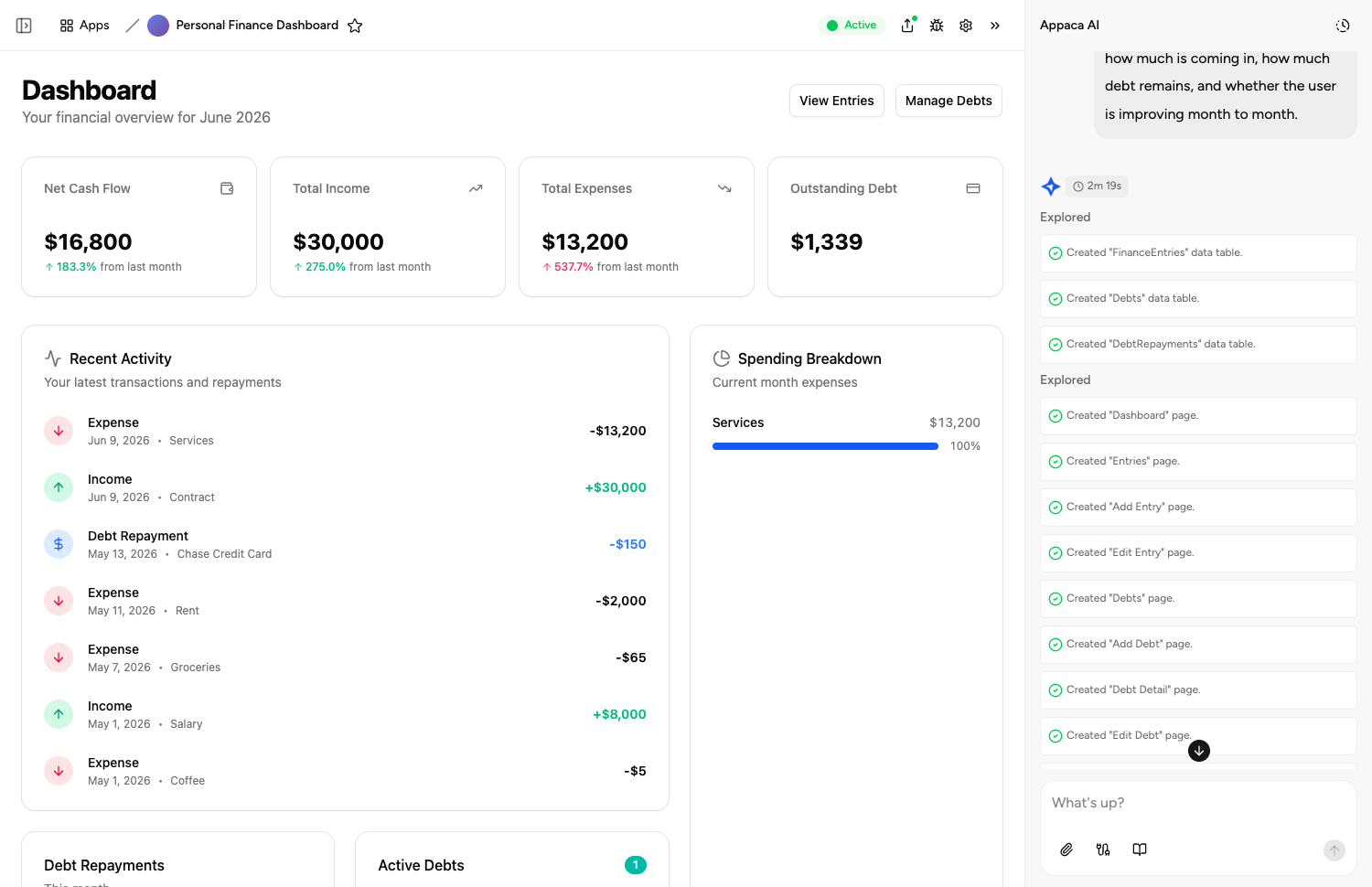
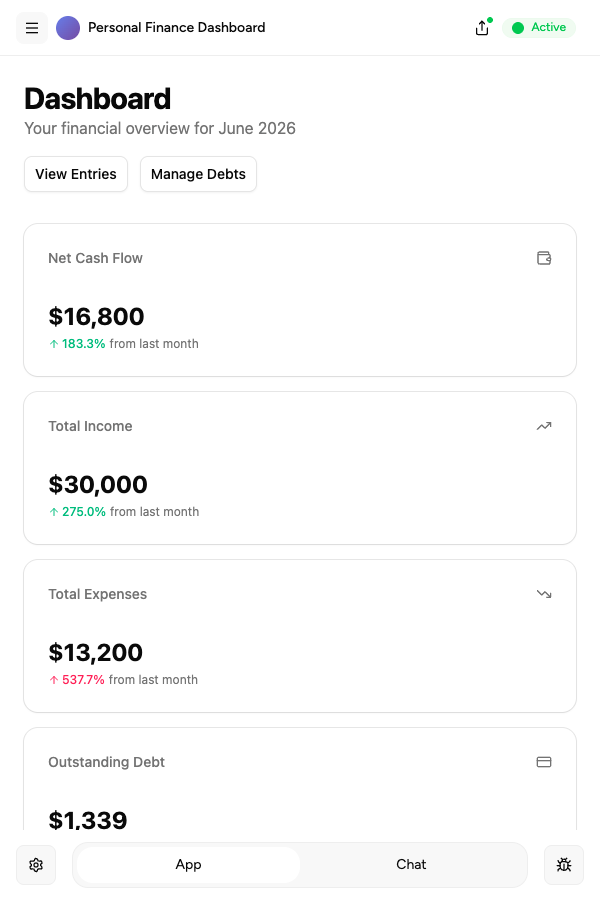
Appaca is the AI workspace for operators. Build internal tools and AI co-workers powered by GPT-5.1 Codex or GPT-OSS 20B - connected to your real data and ready for your whole team. No code, no deployment.
Describe it, and it's built
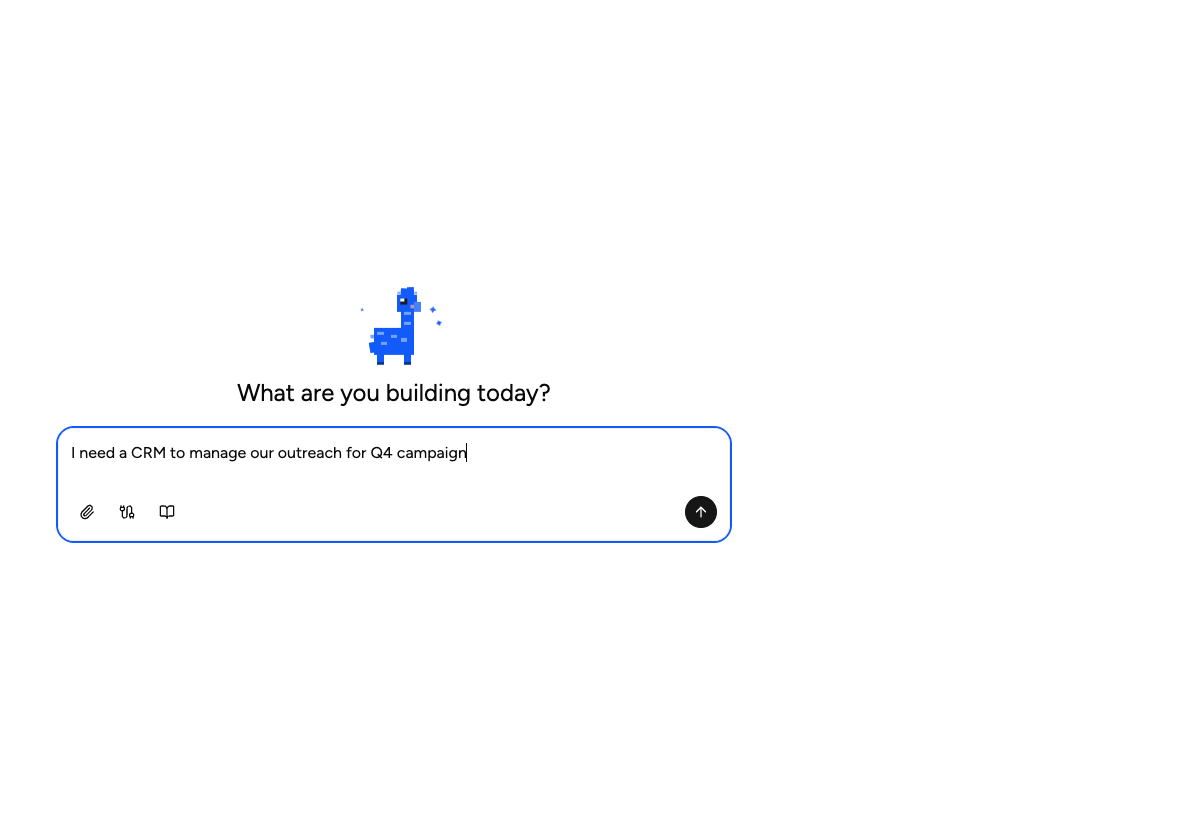
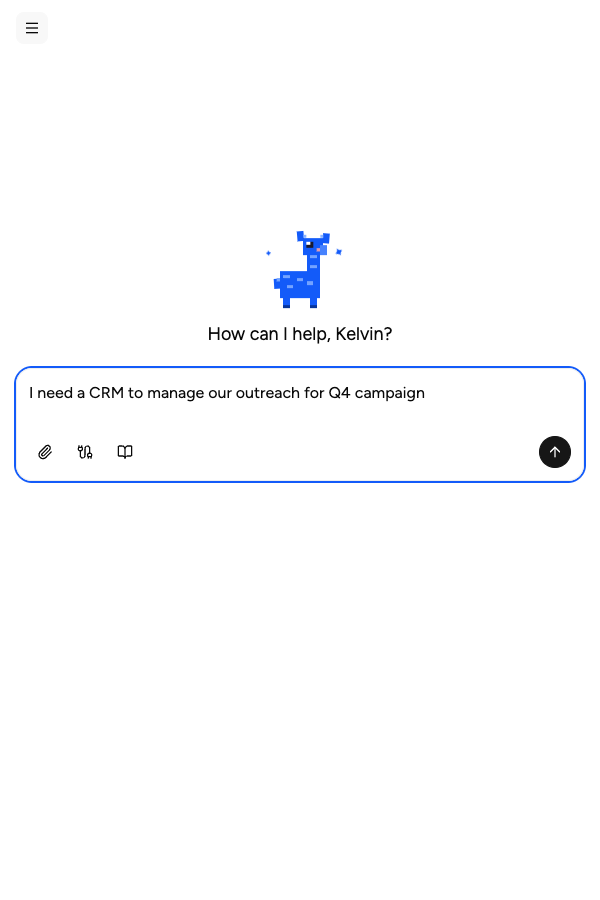
Tell the Appaca agent the internal tool you need and it builds a working app powered by GPT-5.1 Codex or GPT-OSS 20B. No code, no API keys, no deployment.
Switch models without rebuilding
Start on GPT-5.1 Codex, test the same tool on GPT-OSS 20B, and keep whichever performs better - the rest of your app stays exactly as it is.
Automated for the whole team
Schedule tools to run on autopilot - daily digests, weekly reports, real-time triggers - and share them with your whole team from one workspace.
Describe it, and it's built
Tell the Appaca agent what your team needs and it builds a working app powered by GPT-5.1 Codex or GPT-OSS 20B - connected to the tools you already use.





Related comparisons
See how GPT-5.1 Codex and GPT-OSS 20B stack up against other models in the directory.
FAQs
GPT-OSS 20B is open weight and free of per-token licensing fees, while GPT-5.1 Codex costs $1.25 per million input tokens and $10 per million output tokens.
GPT-5.1 Codex has the larger context window at 400K tokens, compared to 128K tokens for GPT-OSS 20B. A larger window means the model can consider more text at once - useful for long contracts, codebases, or months of records.
It depends on the job. Compare the pricing, context window, and strengths above against your workload - and remember the choice isn't permanent. In Appaca you can build a tool on GPT-5.1 Codex, test the same tool on GPT-OSS 20B, and switch at any time without rebuilding anything.
Yes. Appaca is a no-code AI workspace: describe the internal tool your team needs and the Appaca agent builds it as a working app powered by GPT-5.1 Codex, GPT-OSS 20B, or any other model in the directory - with a built-in database, team access, and integrations. No API keys to wire up and nothing to deploy.
Build AI tools with GPT-5.1 Codex or GPT-OSS 20B
Describe the tool your team needs and get a working app powered by the model you choose - with a built-in database, team access, and integrations. No code, no deployment.