Qwen-Plus vs Qwen-Long
Compare pricing, context windows, and strengths for Qwen-Plus by Alibaba Cloud and Qwen-Long by Alibaba Cloud - and see how to put either to work in Appaca.
Qwen-Plus
Balanced Qwen model with strong speed, cost efficiency, and optional reasoning mode.
View Qwen-PlusQwen-Long
Long-context model with 10M tokens for huge document analysis and summarization.
View Qwen-LongQwen-Plus vs Qwen-Long at a glance
Specs and pricing side by side, from the Appaca AI models directory.
| Spec | Qwen-Plus | Qwen-Long |
|---|---|---|
| Provider | Alibaba Cloud | Alibaba Cloud |
| Model type | Text | Text |
| Context window | 1M tokens | 10M tokens |
| Input price | $0.115 / 1M tokens | $0.072 / 1M tokens |
| Output price | $0.287 / 1M tokens | $0.287 / 1M tokens |
| Status | Current | Current |
How Qwen-Plus and Qwen-Long differ
What the numbers mean in practice when choosing between Qwen-Plus and Qwen-Long.
-
Qwen-Long is 37% cheaper on input tokens ($0.072 vs $0.115 per million), which adds up quickly in document-heavy workloads.
-
Qwen-Long's 10M tokens context window is roughly 10x larger than Qwen-Plus's 1M tokens, so it can work across bigger codebases, contracts, or archives in one pass.
Strengths side by side
Where each model shines, according to benchmarks and provider positioning.
Qwen-Plus
1. Excellent balance of performance and cost
- Faster and cheaper than Max but still powerful.
2. Optional thinking mode
- Enhanced reasoning when needed.
- Non-thinking mode is very fast and cheap.
3. Huge context window
- Up to 1M tokens for long-document workflows.
4. Strong multilingual understanding
- Supports 100+ languages.
Qwen-Long
1. Extremely long context window
- Up to 10 million tokens.
2. Ideal for document-heavy workflows
- Legal, financial, RAG, compliance, research.
3. Low-cost for large-scale ingestion
- Optimized pricing for big inputs.
Use Qwen-Plus or Qwen-Long - or both
Appaca is the AI workspace for operators. Build internal tools and AI co-workers powered by Qwen-Plus or Qwen-Long - connected to your real data and ready for your whole team. No code, no deployment.
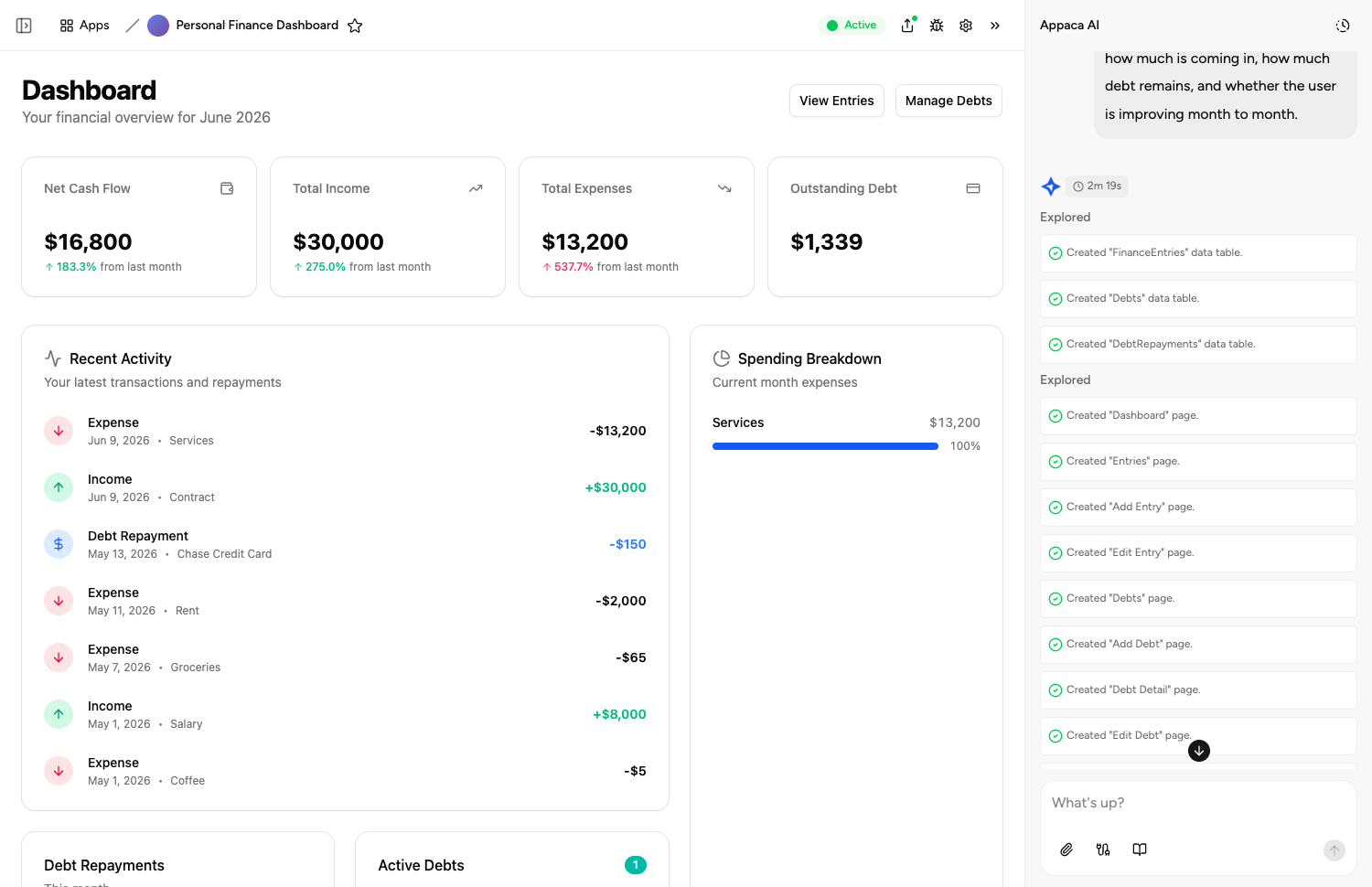
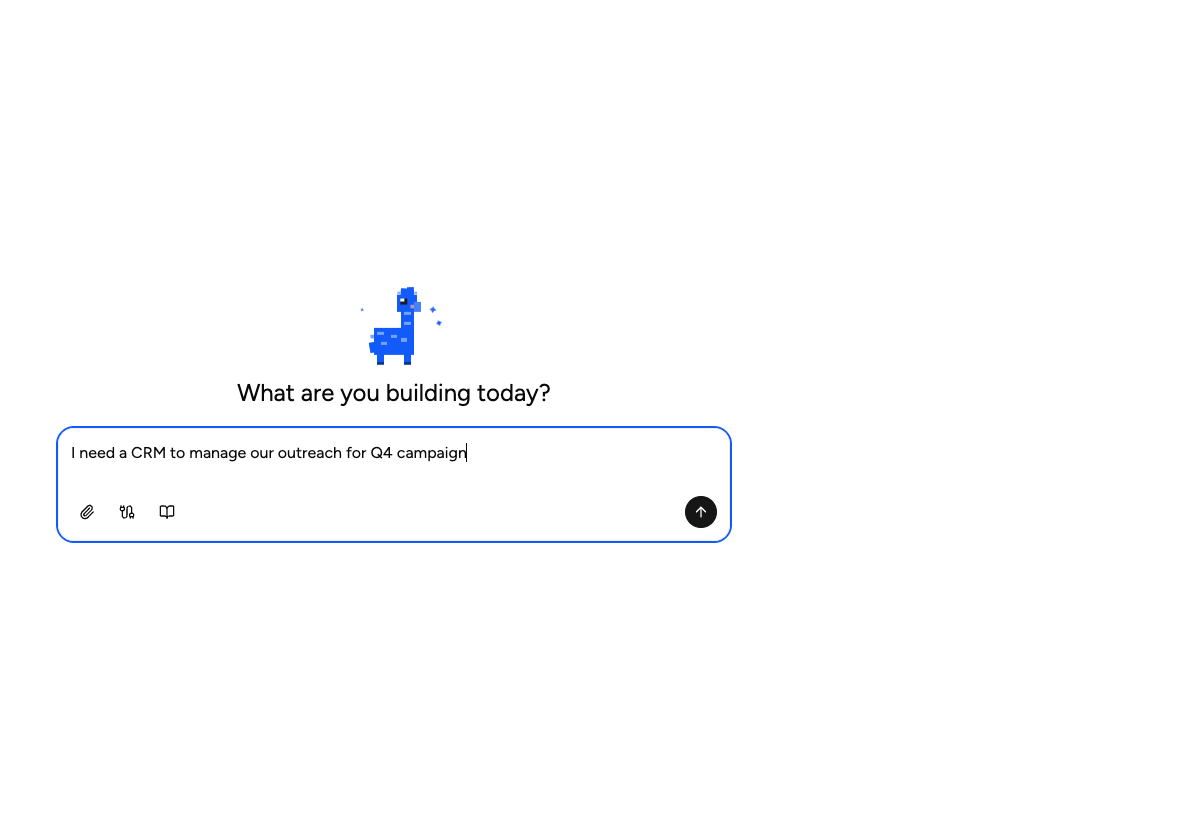
Describe it, and it's built
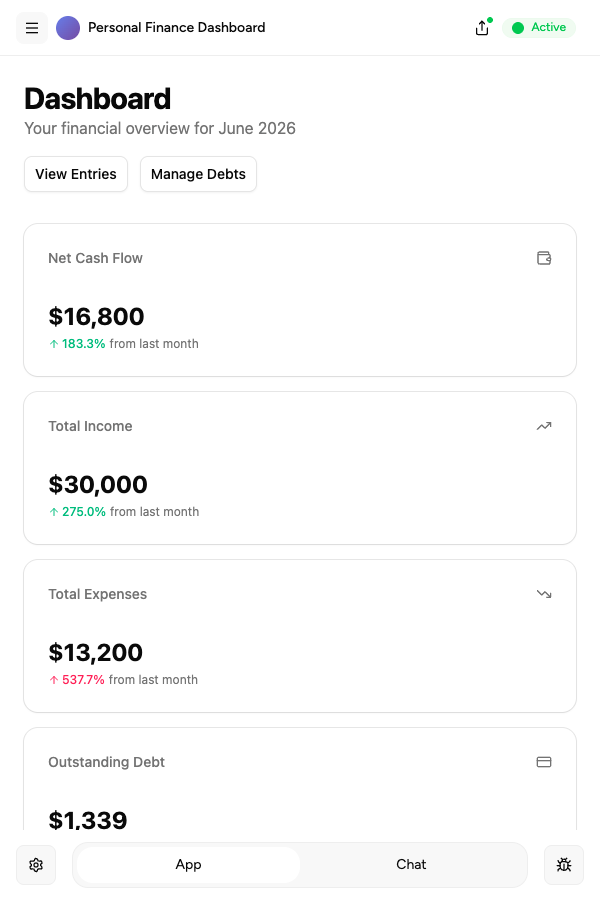
Tell the Appaca agent the internal tool you need and it builds a working app powered by Qwen-Plus or Qwen-Long. No code, no API keys, no deployment.
Switch models without rebuilding
Start on Qwen-Plus, test the same tool on Qwen-Long, and keep whichever performs better - the rest of your app stays exactly as it is.
Automated for the whole team
Schedule tools to run on autopilot - daily digests, weekly reports, real-time triggers - and share them with your whole team from one workspace.
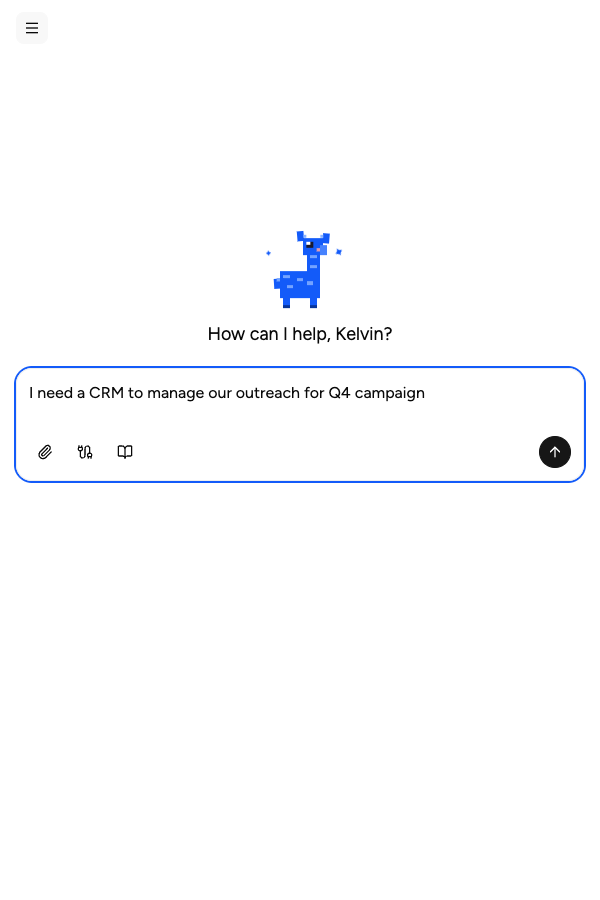
Describe it, and it's built
Tell the Appaca agent what your team needs and it builds a working app powered by Qwen-Plus or Qwen-Long - connected to the tools you already use.





Related comparisons
See how Qwen-Plus and Qwen-Long stack up against other models in the directory.
FAQs
Qwen-Long is generally cheaper: $0.072 input / $0.287 output per million tokens, versus $0.115 / $0.287 for Qwen-Plus. Actual cost depends on how many tokens your workload reads and writes.
Qwen-Long has the larger context window at 10M tokens, compared to 1M tokens for Qwen-Plus. A larger window means the model can consider more text at once - useful for long contracts, codebases, or months of records.
It depends on the job. Compare the pricing, context window, and strengths above against your workload - and remember the choice isn't permanent. In Appaca you can build a tool on Qwen-Plus, test the same tool on Qwen-Long, and switch at any time without rebuilding anything.
Yes. Appaca is a no-code AI workspace: describe the internal tool your team needs and the Appaca agent builds it as a working app powered by Qwen-Plus, Qwen-Long, or any other model in the directory - with a built-in database, team access, and integrations. No API keys to wire up and nothing to deploy.
Build AI tools with Qwen-Plus or Qwen-Long
Describe the tool your team needs and get a working app powered by the model you choose - with a built-in database, team access, and integrations. No code, no deployment.
- 7-day trial
- No credit card
- Cancel anytime