
Claude 3.5 Sonnet vs Claude 3 Opus
Compare pricing, context windows, and strengths for Claude 3.5 Sonnet by Anthropic and Claude 3 Opus by Anthropic - and see how to put either to work in Appaca.
Claude 3.5 Sonnet
A fast, mid-tier model offering top-tier intelligence, strong reasoning, and advanced coding/vision capabilities at low cost.
View Claude 3.5 SonnetClaude 3 Opus
The most intelligent Claude 3 model, built for highly complex reasoning, analysis, and open-ended problem solving across any domain.
View Claude 3 OpusClaude 3.5 Sonnet vs Claude 3 Opus at a glance
Specs and pricing side by side, from the Appaca AI models directory.
| Spec | Claude 3.5 Sonnet | Claude 3 Opus |
|---|---|---|
| Provider | Anthropic | Anthropic |
| Model type | Text | Text |
| Context window | 200K tokens | 200K tokens |
| Input price | $3 / 1M tokens | $15 / 1M tokens |
| Output price | $15 / 1M tokens | $75 / 1M tokens |
| Status | Superseded by Claude 4.5 Sonnet | Superseded by Claude 4.1 Opus |
How Claude 3.5 Sonnet and Claude 3 Opus differ
What the numbers mean in practice when choosing between Claude 3.5 Sonnet and Claude 3 Opus.
-
Claude 3.5 Sonnet is 80% cheaper on input tokens ($3 vs $15 per million), which adds up quickly in document-heavy workloads.
-
Claude 3.5 Sonnet is 80% cheaper on output tokens ($15 vs $75 per million) - the bigger factor for tools that generate long documents.
-
Both models offer the same 200K tokens context window.
-
Claude 3.5 Sonnet has been superseded by Claude 4.5 Sonnet - for new builds, consider the newer model first.
-
Claude 3 Opus has been superseded by Claude 4.1 Opus - for new builds, consider the newer model first.
Strengths side by side
Where each model shines, according to benchmarks and provider positioning.
Claude 3.5 Sonnet
1. Intelligence & Reasoning
- Outperforms previous Claude models and competitor LLMs across major benchmarks.
- Excels in graduate-level reasoning (GPQA), knowledge tasks (MMLU), and coding (HumanEval).
- Handles nuance, humor, and complex instructions with human-like clarity.
2. Speed & Efficiency
- Runs 2x faster than Claude 3 Opus, making it ideal for real-time and high-volume workflows.
- Cost-effective pricing: $3/M input tokens and $15/M output tokens.
- Supports a 200K token context window, enabling rich, long-form reasoning.
3. Coding Capabilities
- Solves significantly more coding and bug-fix tasks (64% vs Opus's 38% in internal evaluations).
- Can autonomously write, edit, and execute code when tool use is enabled.
- Strong at translating and modernizing legacy codebases.
4. Vision Strength
- Best vision model in the Claude family, surpassing Opus on vision benchmarks.
- Excellent at interpreting charts, graphs, and imperfect images.
- Reliable text extraction from low-quality visuals for retail, logistics, finance, etc.
5. Agentic Workflows
- Highly capable for multi-step task orchestration.
- Performs well as the engine for agents requiring reasoning, planning, and tool-calling abilities.
6. Content Quality
- Produces natural, relatable writing with improved tone, style, and context awareness.
- Strong at long-form content creation and editing.
7. Safety & Reliability
- Rated ASL-2, meeting Anthropic's safety standards.
- Undergoes extensive red-teaming and external evaluation (UK AISI & US AISI).
- Not trained on user data without explicit permission.
Claude 3 Opus
1. Intelligence & Reasoning
- Highest capability in the Claude 3 family
- Near-human comprehension and fluency
- Excels at MMLU, GPQA, GSM8K, advanced reasoning tasks
2. Complex Problem Solving
- Best for research, strategy, multi-step planning
- Handles ambiguous, open-ended tasks with ease
3. Vision & Multimodal Capabilities
- Strong chart/graph understanding
- Processes documents, technical diagrams, and dense visual data
4. Recall & Long-Context Reasoning
- Near-perfect recall (>99% on NIAH benchmark)
- Handles very large documents and multi-file workflows
5. Enterprise-Grade Accuracy
- Significantly reduced hallucinations
- High correctness rate for factual queries
Use Claude 3.5 Sonnet or Claude 3 Opus - or both
Appaca is the AI workspace for operators. Build internal tools and AI co-workers powered by Claude 3.5 Sonnet or Claude 3 Opus - connected to your real data and ready for your whole team. No code, no deployment.
Describe it, and it's built
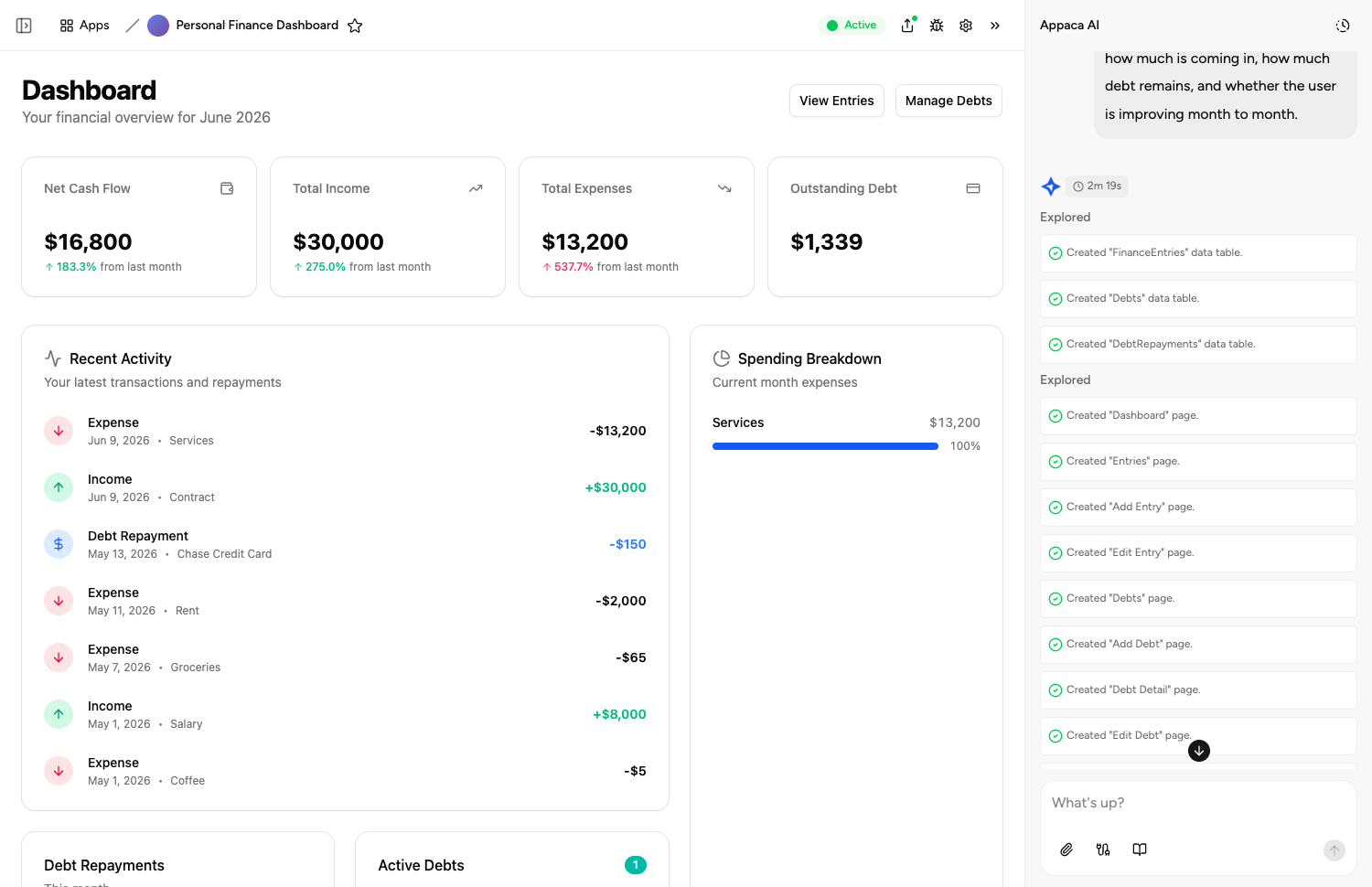
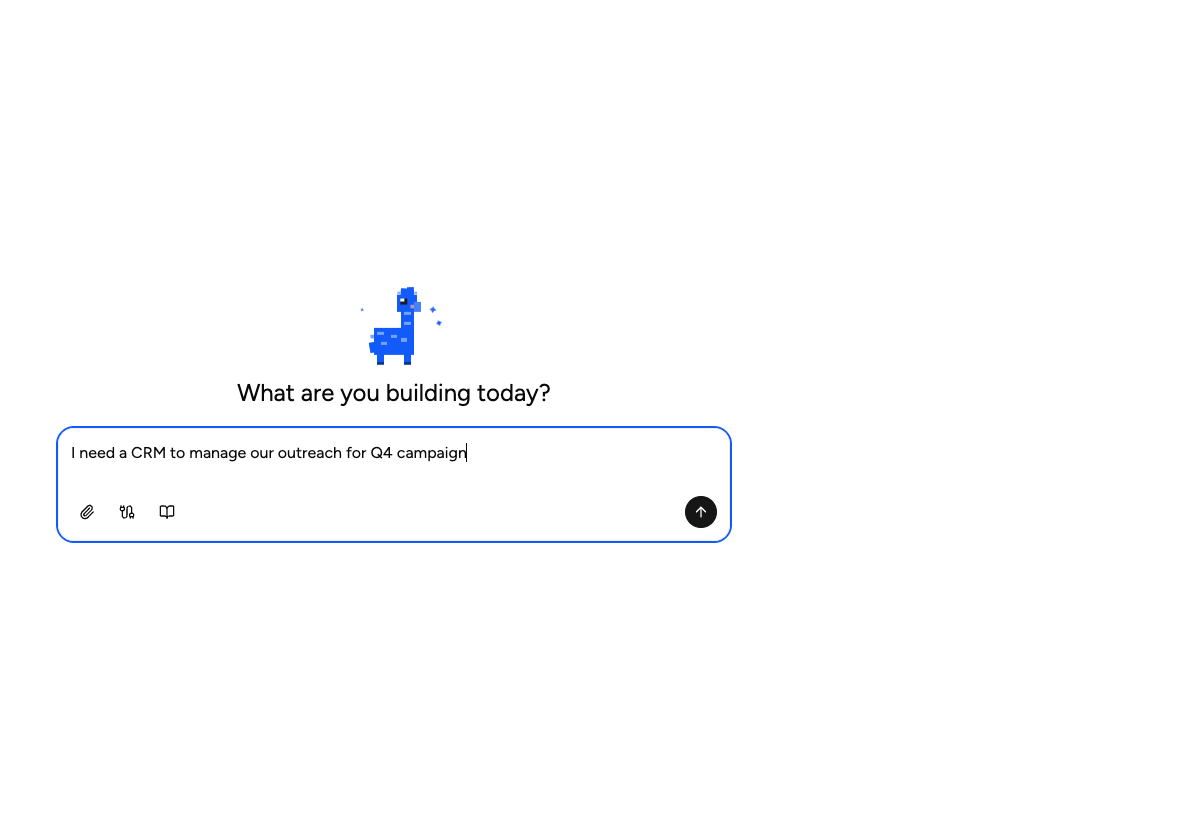
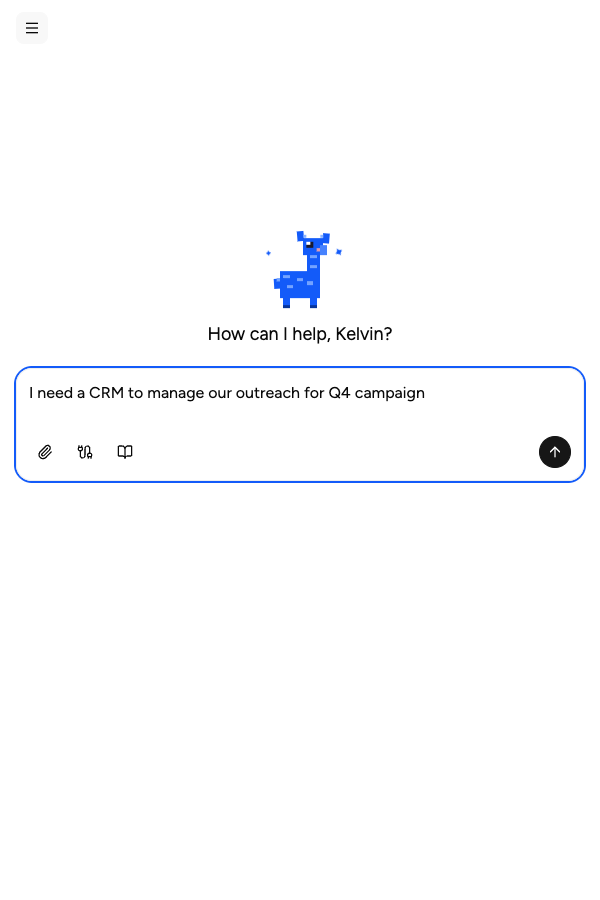
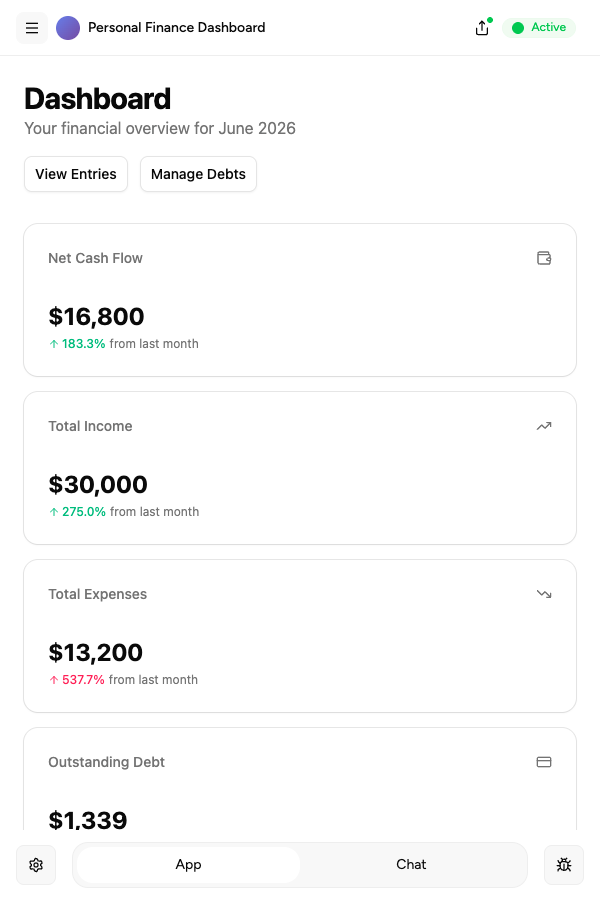
Tell the Appaca agent the internal tool you need and it builds a working app powered by Claude 3.5 Sonnet or Claude 3 Opus. No code, no API keys, no deployment.
Switch models without rebuilding
Start on Claude 3.5 Sonnet, test the same tool on Claude 3 Opus, and keep whichever performs better - the rest of your app stays exactly as it is.
Automated for the whole team
Schedule tools to run on autopilot - daily digests, weekly reports, real-time triggers - and share them with your whole team from one workspace.
Describe it, and it's built
Tell the Appaca agent what your team needs and it builds a working app powered by Claude 3.5 Sonnet or Claude 3 Opus - connected to the tools you already use.





Related comparisons
See how Claude 3.5 Sonnet and Claude 3 Opus stack up against other models in the directory.
FAQs
Claude 3.5 Sonnet is generally cheaper: $3 input / $15 output per million tokens, versus $15 / $75 for Claude 3 Opus. Actual cost depends on how many tokens your workload reads and writes.
They are equal: both Claude 3.5 Sonnet and Claude 3 Opus support a 200K tokens context window.
It depends on the job. Compare the pricing, context window, and strengths above against your workload - and remember the choice isn't permanent. In Appaca you can build a tool on Claude 3.5 Sonnet, test the same tool on Claude 3 Opus, and switch at any time without rebuilding anything.
Yes. Appaca is a no-code AI workspace: describe the internal tool your team needs and the Appaca agent builds it as a working app powered by Claude 3.5 Sonnet, Claude 3 Opus, or any other model in the directory - with a built-in database, team access, and integrations. No API keys to wire up and nothing to deploy.
Build AI tools with Claude 3.5 Sonnet or Claude 3 Opus
Describe the tool your team needs and get a working app powered by the model you choose - with a built-in database, team access, and integrations. No code, no deployment.
- 7-day trial
- No credit card
- Cancel anytime