
Best AI Models for Email
Email writing demands conciseness, professional tone calibration, and strong calls to action. LLMs are particularly effective here because email formats are structured and the quality bar is measurable - response rates, open rates, and conversion data reveal the truth quickly. The challenge is generating email that sounds personal, not template-produced.
Top AI models for Email
Ranked by real-world performance on email tasks - pricing, context windows, and strengths for each.
GPT-5.4
text 1.1M tokens contextOpenAI's frontier model for complex professional work with best intelligence at scale for agentic, coding, and professional workflows.
Claude 4 Sonnet
text 1M tokens contextA balanced-hybrid reasoning model tuned for everyday assistant and high-volume tasks.
GPT-5.5
text 1M tokens contextOpenAI's smartest and most capable model yet for agentic coding, knowledge work, and computer use, delivering a new class of intelligence at GPT-5.4 latency.
Gemini 2.5 Flash
text 1M tokens contextA fast, cost-efficient multimodal model optimized for everyday tasks with strong speed, long context, and native audio capabilities.
Evaluation criteria for Email
The four factors that matter most when choosing an AI model for email tasks.
Conciseness and professional tone calibration
Personalisation from context and variables
Call-to-action clarity and conversion focus
Consistency across multi-email sequences
Compare top Email models
Side-by-side pricing, specs, and strengths for every pair of top email models.
GPT-5.4 vs Claude 4 Sonnet
OpenAI vs Anthropic for email - pricing, context windows, and strengths compared.
See the comparisonGPT-5.5 vs GPT-5.4
OpenAI vs OpenAI for email - pricing, context windows, and strengths compared.
See the comparisonGPT-5.4 vs Gemini 2.5 Flash
OpenAI vs Google for email - pricing, context windows, and strengths compared.
See the comparisonGPT-5.5 vs Claude 4 Sonnet
OpenAI vs Anthropic for email - pricing, context windows, and strengths compared.
See the comparisonGemini 2.5 Flash vs Claude 4 Sonnet
Google vs Anthropic for email - pricing, context windows, and strengths compared.
See the comparisonGPT-5.5 vs Gemini 2.5 Flash
OpenAI vs Google for email - pricing, context windows, and strengths compared.
See the comparisonBuild Email tools with the right model
Appaca is the AI workspace for operators. Build internal tools and AI co-workers powered by any of these models - connected to your real data and ready for your whole team. No code, no deployment.
Build email tools instantly
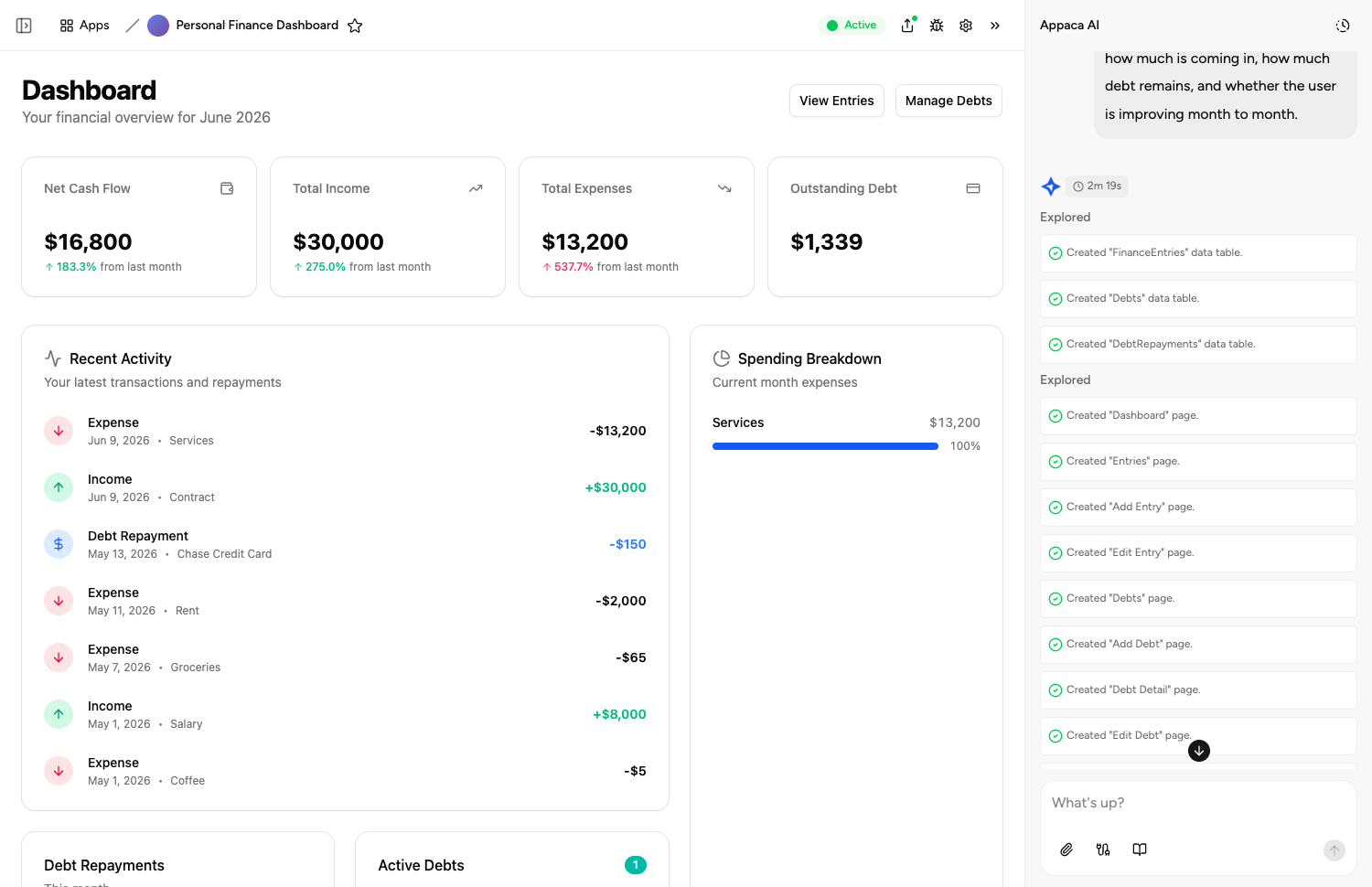
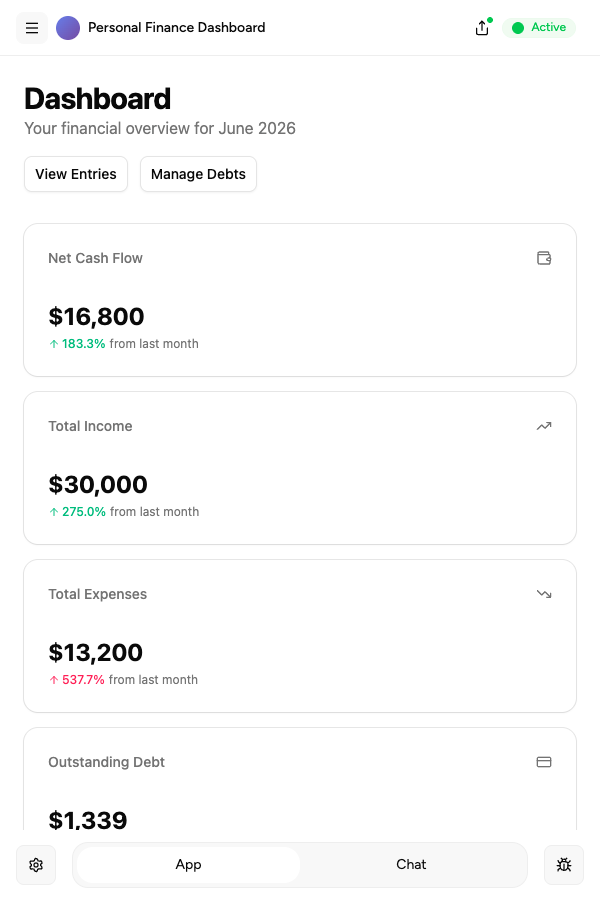
Tell the Appaca agent the internal tool you need and it builds a working app powered by the model you choose for email. No code, no API keys, no deployment.
Connected to your real data
Connect Slack, Notion, Google Sheets, Airtable, and more, plus a built-in database - so your AI tools work with your team's real context instead of generic answers.
Automated for the whole team
Schedule tools to run on autopilot - daily digests, weekly reports, real-time triggers - and share them with your whole team from one workspace.
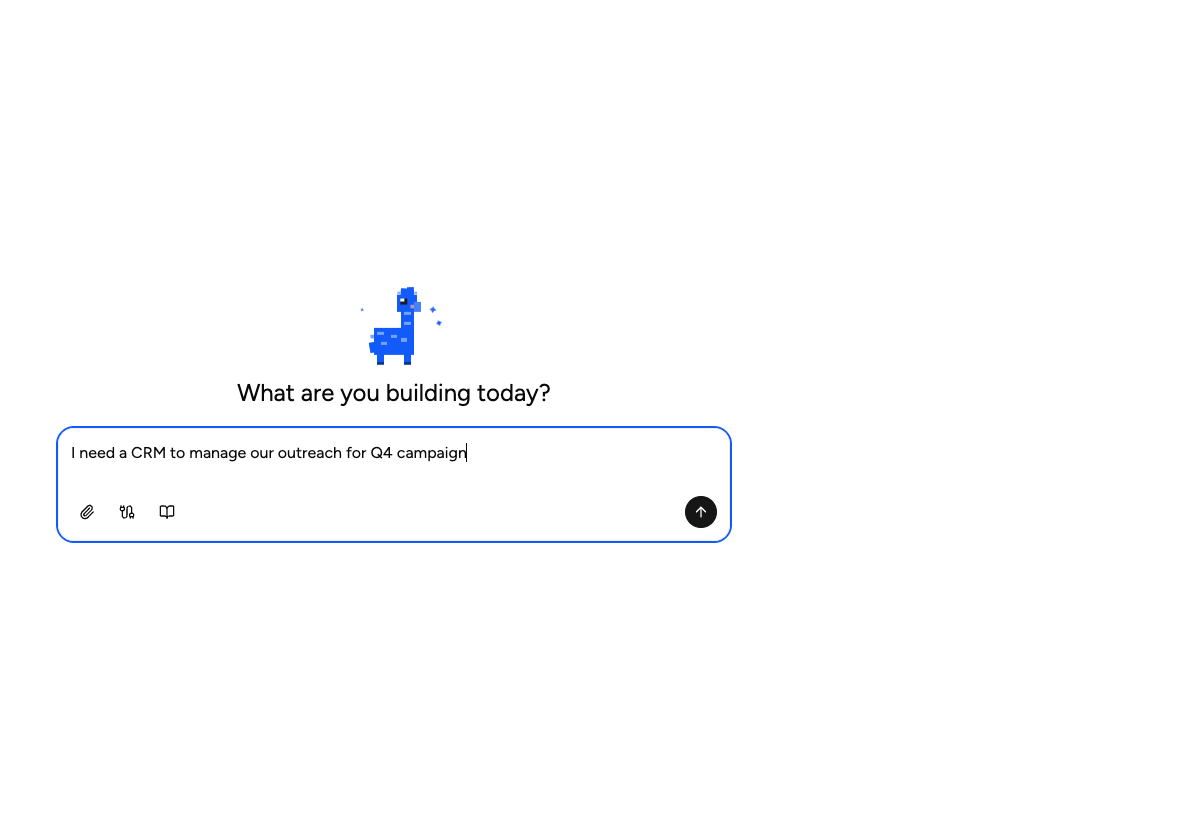
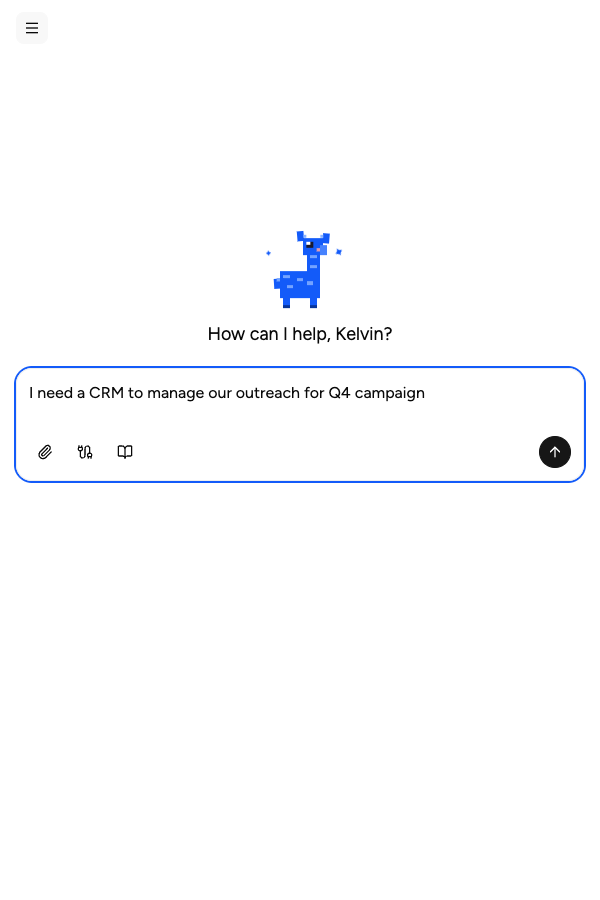
Describe it, and it's built
Tell the Appaca agent what your team needs and it builds a working app powered by the model you choose - connected to the tools you already use.




Explore more use cases
Top-ranked AI models for other common business tasks.
FAQs
GPT-5.4 and Claude 4 Sonnet are the top email LLMs in 2026. GPT-5.4 is particularly strong for concise, direct professional emails - it calibrates length and formality well. Claude 4 Sonnet is better for longer, nuanced communications like sales emails, client updates, and sensitive correspondence where tone matters more than brevity.
Yes, when given the right input. Effective cold email requires three things: a relevant hook, a clear value proposition, and a low-friction CTA. Provide the recipient's role, company, a specific pain point or trigger event, and your ask. GPT-5.4 is particularly good at producing punchy, specific subject lines and first lines that avoid spam patterns. Always personalise with real prospect context.
Claude 4 Sonnet leads for multi-email nurture sequences. It maintains narrative consistency and tone across a 5-7 email series better than GPT-5.4, which can become repetitive in longer sequences. For single transactional emails, GPT-5.4 is faster and more direct. For newsletters with editorial voice, Claude 4 Sonnet produces more engaging copy.
Claude 4 Sonnet and GPT-5.4 both handle personalisation at scale when given structured variable inputs (company name, role, pain point, etc.). The key is treating each email as a structured template with variable injection rather than open-ended generation. For very high volumes (10,000+ emails/month), Gemini 2.5 Flash offers comparable quality at a fraction of the cost.
Use Appaca to build a no-code email generation workflow: define your email type (outreach, nurture, newsletter), configure your input variables (prospect name, company, use case), and connect to your CRM or data source. The AI handles generation while you maintain editorial control. This approach is faster and more consistent than prompting the API directly.
Build AI tools for Email
Describe the email tool your team needs and get a working app powered by the right model - with a built-in database, team access, and integrations. No code, no deployment.
- 7-day trial
- No credit card
- Cancel anytime