Best AI Models for Image Generation
Image generation models are evaluated on fundamentally different criteria from text LLMs - prompt adherence, compositional accuracy, visual quality, and style range matter more than reasoning or context window. The best image models produce assets that look like intentional creative work, not AI artifacts, and handle complex multi-element compositions without breaking down.
Top AI models for Image Generation
Ranked by real-world performance on image generation tasks - pricing, context windows, and strengths for each.
GPT Image 1
imageState-of-the-art image generation model that accepts text and image inputs and produces high-quality images across multiple resolutions and quality levels.
Evaluation criteria for Image Generation
The four factors that matter most when choosing an AI model for image generation tasks.
Prompt adherence and compositional accuracy
Visual quality and aesthetic consistency
Style range - photorealistic to illustrated
Speed and cost per image at production scale
Build Image Generation tools with the right model
Appaca is the AI workspace for operators. Build internal tools and AI co-workers powered by any of these models - connected to your real data and ready for your whole team. No code, no deployment.
Build image generation tools instantly
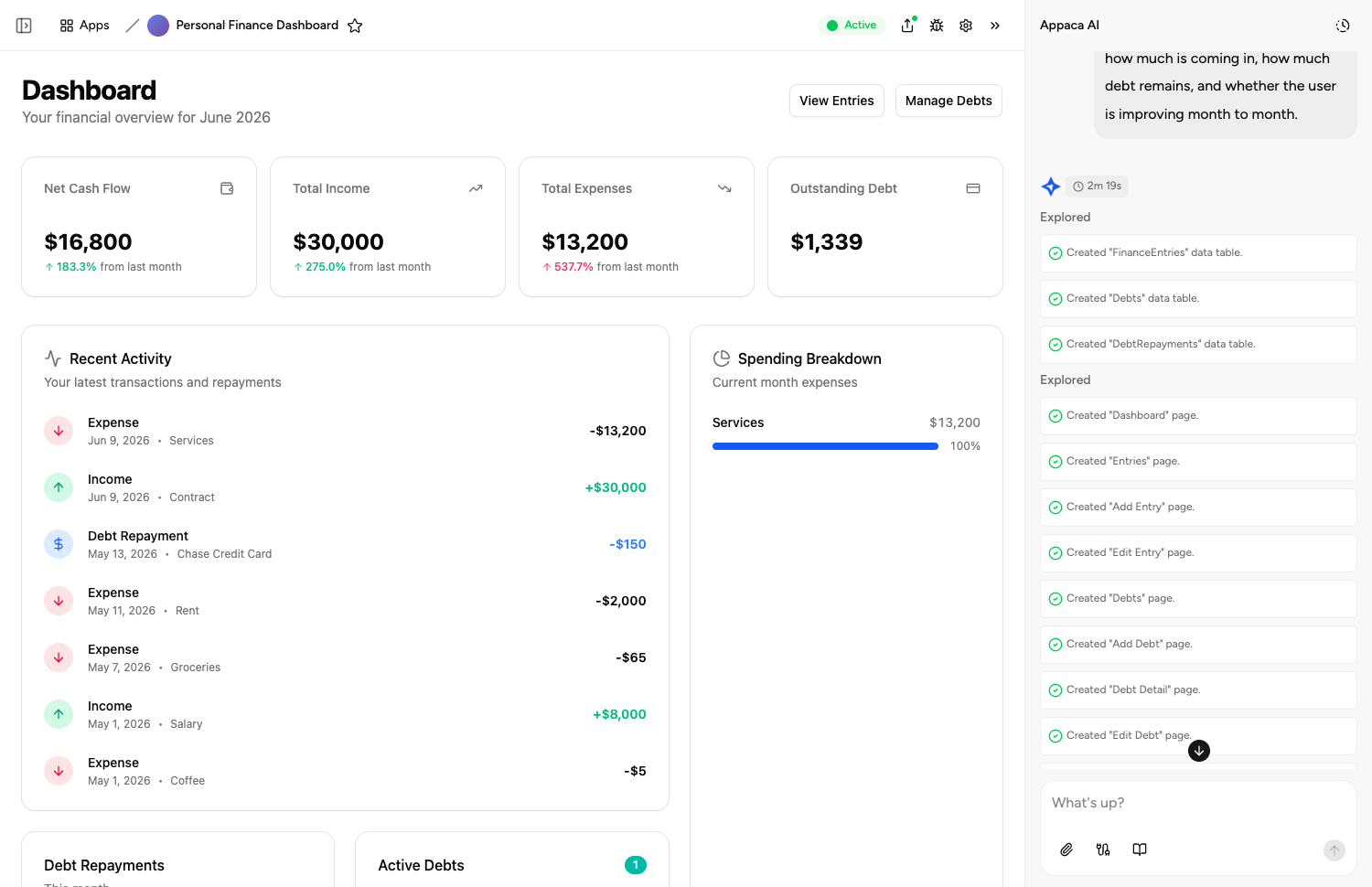
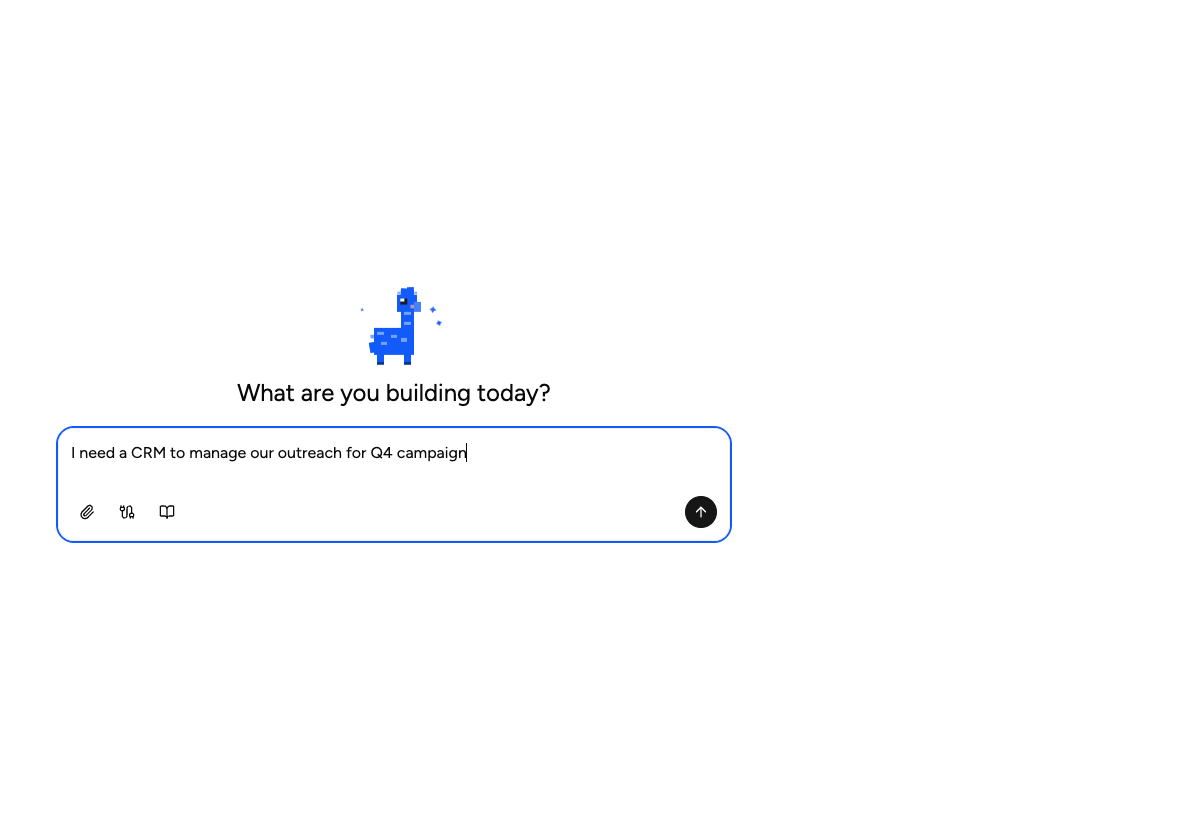
Tell the Appaca agent the internal tool you need and it builds a working app powered by the model you choose for image generation. No code, no API keys, no deployment.
Connected to your real data
Connect Slack, Notion, Google Sheets, Airtable, and more, plus a built-in database - so your AI tools work with your team's real context instead of generic answers.
Automated for the whole team
Schedule tools to run on autopilot - daily digests, weekly reports, real-time triggers - and share them with your whole team from one workspace.
Describe it, and it's built
Tell the Appaca agent what your team needs and it builds a working app powered by the model you choose - connected to the tools you already use.




Explore more use cases
Top-ranked AI models for other common business tasks.
FAQs
GPT Image-1 and Imagen 4 Ultra are the top image generation models in 2026. GPT Image-1 excels at photorealistic outputs and complex compositional scenes, with strong prompt adherence even for detailed, multi-element descriptions. Imagen 4 Ultra leads for consistent aesthetic quality and fine detail rendering. Ideogram v3 is the best for text within images - a historically difficult challenge for image AI.
Yes, GPT Image-1 is a significant improvement over DALL-E 3 across most metrics. It handles complex compositional prompts better, produces fewer artifacts, and has stronger photorealism. DALL-E 3 remains useful for its tight integration with ChatGPT and lower cost, but for production image generation, GPT Image-1 is the preferred choice.
DALL-E 3 and Imagen 4 (standard) offer the best cost-per-image for high-volume production. Imagen 4 Ultra and GPT Image-1 are more expensive but required when quality is the priority - marketing materials, product imagery, and editorial use cases where visible AI artifacts would be unacceptable.
Generally yes, but verify the terms of service for each model. GPT Image-1 and DALL-E 3 grant users full commercial rights to generated images. Imagen 4 images are similarly usable commercially. Always review the current terms of service for your specific provider, particularly if generating images for broadcast, publishing, or large-scale advertising campaigns.
GPT Image-1 is the strongest model for product photography-style image generation, producing clean, well-lit product renders with accurate colour and minimal distortion. Imagen 4 Ultra is the best choice for luxury brand aesthetics and high-end editorial imagery. For illustrated marketing assets and branded graphic content, Ideogram v3 handles text-in-image elements that other models struggle with.
Build AI tools for Image Generation
Describe the image generation tool your team needs and get a working app powered by the right model - with a built-in database, team access, and integrations. No code, no deployment.
- 7-day trial
- No credit card
- Cancel anytime