Nano Banana vs Gemini 1.5 Flash
Compare pricing, context windows, and strengths for Nano Banana by Google and Gemini 1.5 Flash by Google - and see how to put either to work in Appaca.
Nano Banana
High-quality, low-latency image model for generation, editing, fusion, and character consistency.
View Nano BananaGemini 1.5 Flash
A fast, lightweight model optimized for low-latency, high-volume multimodal tasks with long-context support.
View Gemini 1.5 FlashNano Banana vs Gemini 1.5 Flash at a glance
Specs and pricing side by side, from the Appaca AI models directory.
| Spec | Nano Banana | Gemini 1.5 Flash |
|---|---|---|
| Provider | ||
| Model type | Image | Text |
| Context window | - | 1M tokens |
| Input price | - | $0.075 / 1M tokens |
| Output price | - | $0.3 / 1M tokens |
| Status | Current | Current |
How Nano Banana and Gemini 1.5 Flash differ
What the numbers mean in practice when choosing between Nano Banana and Gemini 1.5 Flash.
-
These are different kinds of model: Nano Banana is an image model while Gemini 1.5 Flash is a text model, so they often complement each other in a workflow rather than compete.
Strengths side by side
Where each model shines, according to benchmarks and provider positioning.
Nano Banana
1. High-quality image generation
- Produces sharper, more detailed images than Gemini 2.0 Flash.
- Designed to generate professional-grade, aesthetically consistent visuals.
2. Advanced image editing capabilities
- Supports targeted, natural-language-driven edits (remove objects, change poses, recolor, blur backgrounds, etc.).
- Enables precise local transformations with simple prompts.
3. Multi-image fusion
- Can merge multiple input images intelligently into a single coherent scene.
- Useful for room restyling, product placement, and photorealistic composite images.
4. Character consistency across prompts
- Maintains the same character or object across multiple scenes and prompts.
- Suitable for brand assets, storytelling, product showcases, and multi-angle rendering.
5. Strong world knowledge
- Inherits Gemini's semantic understanding to reason about real-world objects.
- Can interpret hand-drawn diagrams and follow complex editing instructions.
6. Low latency + developer-friendly
- Based on the Gemini Flash family, optimized for responsiveness and cost-effectiveness.
- Easily testable and remixable using Google AI Studio's app builder.
7. Invisible SynthID watermarking
- All generated and edited images include Google's invisible SynthID watermark.
- Ensures traceability and responsible AI output.
8. Works with text + image input
- Accepts multiple images and text instructions simultaneously.
- Ideal for building interactive image tools, editors, and creative workflows.
Gemini 1.5 Flash
1. Extremely fast and cost-efficient
- Designed for ultra-low latency inference.
- Handles high-throughput real-time applications and large-scale pipelines.
2. Strong multimodal capabilities
- Accepts text, images, audio, video, and PDFs.
- Efficient cross-modal understanding suitable for classification, extraction, and captioning.
3. Excellent for long-context tasks
- Supports up to 1M tokens, enabling analysis of long documents, transcripts, and entire codebases.
- Performs well on long-context translation and summarization.
4. Optimized for production workloads
- Low operational cost and fast inference make it ideal for enterprise automation.
- Great for chatbots, customer support systems, and background agent tasks.
5. High throughput with scalable rate limits
- Flash variants support extremely high RPM for high-traffic environments.
6. Reliable performance on everyday tasks
- Good at chat, rewriting, transcription, extraction, and structured reasoning.
- More efficient than Pro for tasks that don't require deep reasoning.
7. Ideal for multimodal high-volume apps
- Strong performance on captioning, OCR-style extraction, audio transcription, and video understanding.
8. Designed for developer workflows
- Supports function calling, structured output, and integration with the Gemini API and Vertex AI.
Use Nano Banana or Gemini 1.5 Flash - or both
Appaca is the AI workspace for operators. Build internal tools and AI co-workers powered by Nano Banana or Gemini 1.5 Flash - connected to your real data and ready for your whole team. No code, no deployment.
Describe it, and it's built
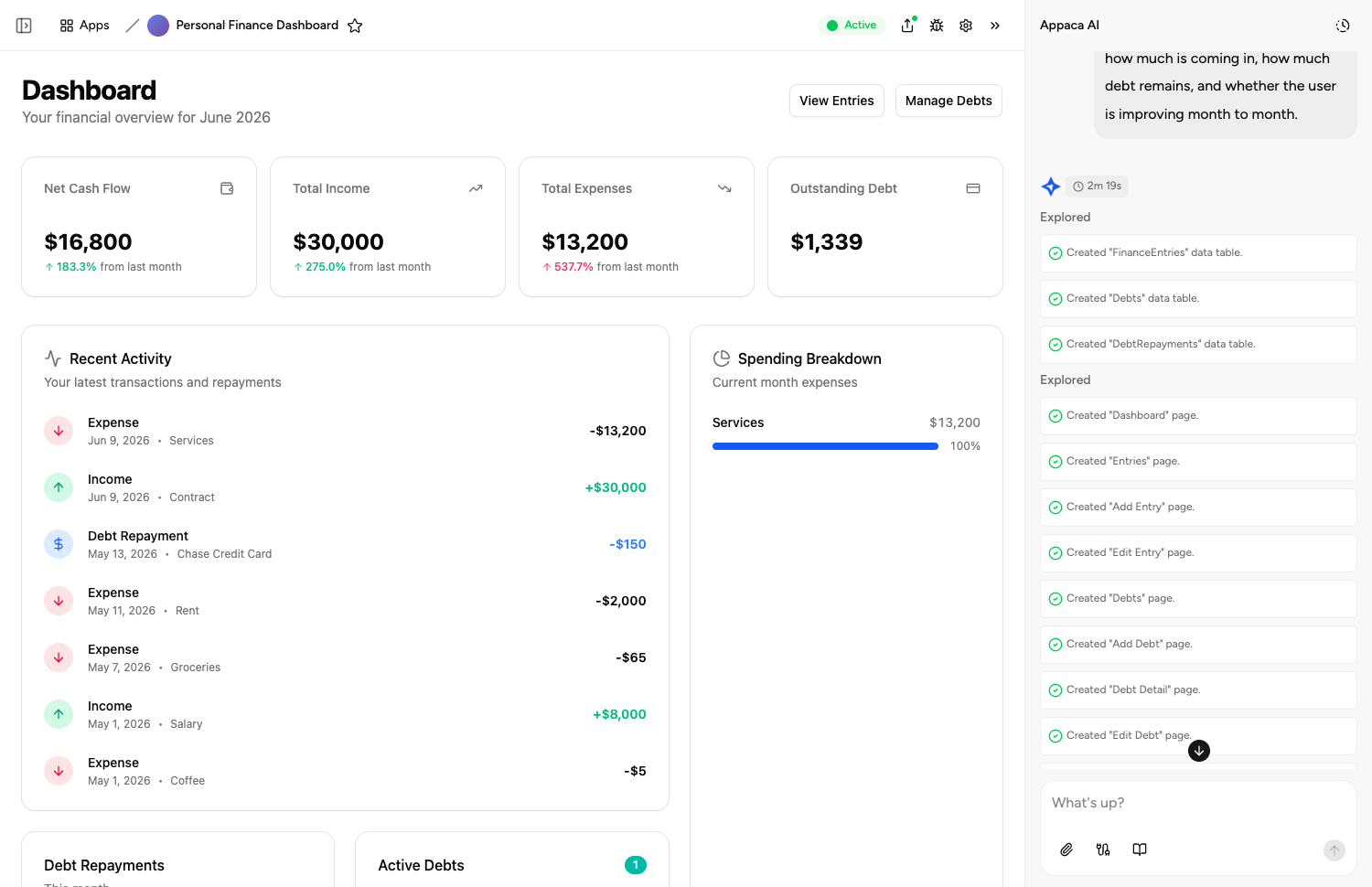
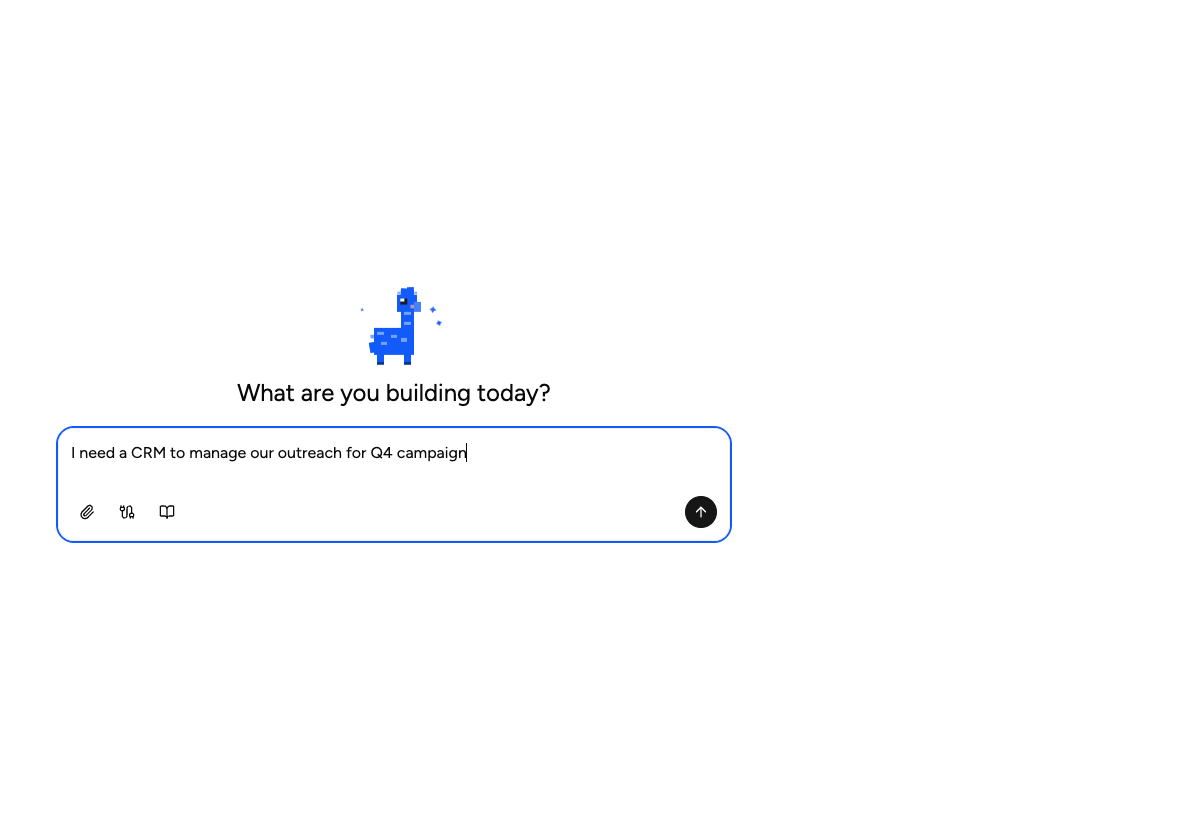
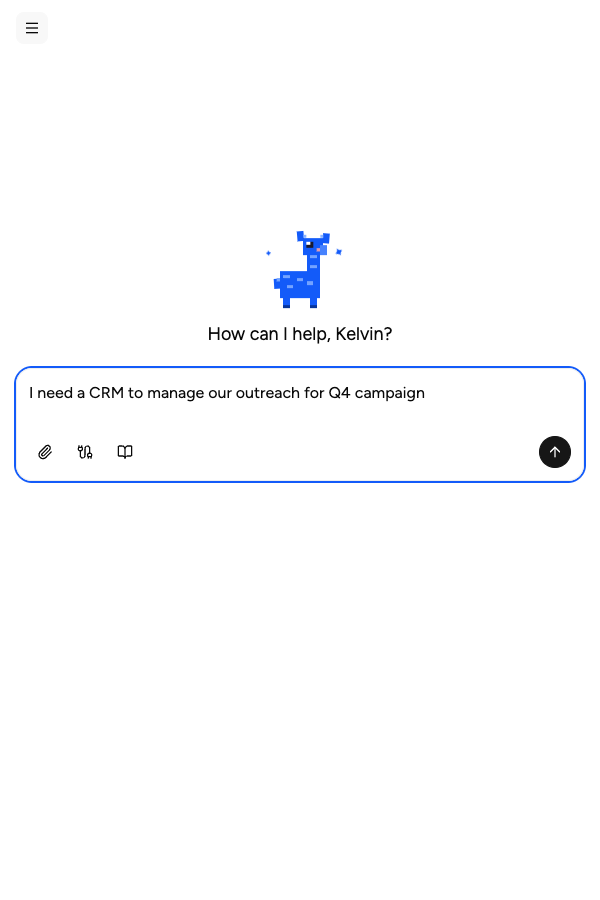
Tell the Appaca agent the internal tool you need and it builds a working app powered by Nano Banana or Gemini 1.5 Flash. No code, no API keys, no deployment.
Switch models without rebuilding
Start on Nano Banana, test the same tool on Gemini 1.5 Flash, and keep whichever performs better - the rest of your app stays exactly as it is.
Automated for the whole team
Schedule tools to run on autopilot - daily digests, weekly reports, real-time triggers - and share them with your whole team from one workspace.
Describe it, and it's built
Tell the Appaca agent what your team needs and it builds a working app powered by Nano Banana or Gemini 1.5 Flash - connected to the tools you already use.





Related comparisons
See how Nano Banana and Gemini 1.5 Flash stack up against other models in the directory.
FAQs
Pricing models differ: see the full Nano Banana and Gemini 1.5 Flash pages in the Appaca AI models directory for current pricing details.
Context window data is listed on each model's page in the Appaca AI models directory.
It depends on the job. Compare the pricing, context window, and strengths above against your workload - and remember the choice isn't permanent. In Appaca you can build a tool on Nano Banana, test the same tool on Gemini 1.5 Flash, and switch at any time without rebuilding anything.
Yes. Appaca is a no-code AI workspace: describe the internal tool your team needs and the Appaca agent builds it as a working app powered by Nano Banana, Gemini 1.5 Flash, or any other model in the directory - with a built-in database, team access, and integrations. No API keys to wire up and nothing to deploy.
Build AI tools with Nano Banana or Gemini 1.5 Flash
Describe the tool your team needs and get a working app powered by the model you choose - with a built-in database, team access, and integrations. No code, no deployment.
- 7-day trial
- No credit card
- Cancel anytime