
GPT-5.6 Sol vs GPT-4.1 Mini
Compare pricing, context windows, and strengths for GPT-5.6 Sol by OpenAI and GPT-4.1 Mini by OpenAI - and see how to put either to work in Appaca.
GPT-5.6 Sol
OpenAI's flagship model for complex professional work, combining frontier reasoning, coding, computer use, and long-horizon agentic performance with greater token efficiency.
View GPT-5.6 SolGPT-4.1 Mini
Smaller, faster version of GPT-4.1 with low latency, strong instruction following, and a large 1M-token context window optimized for lightweight tasks.
View GPT-4.1 MiniGPT-5.6 Sol vs GPT-4.1 Mini at a glance
Specs and pricing side by side, from the Appaca AI models directory.
| Spec | GPT-5.6 Sol | GPT-4.1 Mini |
|---|---|---|
| Provider | OpenAI | OpenAI |
| Model type | Text | Text |
| Context window | 1.05M tokens | 1.05M tokens |
| Input price | $5 / 1M tokens | $0.4 / 1M tokens |
| Output price | $30 / 1M tokens | $1.6 / 1M tokens |
| Status | Current | Superseded by GPT-5 Mini |
How GPT-5.6 Sol and GPT-4.1 Mini differ
What the numbers mean in practice when choosing between GPT-5.6 Sol and GPT-4.1 Mini.
-
GPT-4.1 Mini is 92% cheaper on input tokens ($0.4 vs $5 per million), which adds up quickly in document-heavy workloads.
-
GPT-4.1 Mini is 95% cheaper on output tokens ($1.6 vs $30 per million) - the bigger factor for tools that generate long documents.
-
Context windows are close: GPT-5.6 Sol handles 1.05M tokens and GPT-4.1 Mini handles 1.05M tokens.
-
GPT-4.1 Mini has been superseded by GPT-5 Mini - for new builds, consider the newer model first.
Strengths side by side
Where each model shines, according to benchmarks and provider positioning.
GPT-5.6 Sol
1. Frontier Coding & Agentic Performance
- Scores 88.8% on Terminal-Bench 2.1 and 72.7% on DeepSWE v1.1, with stronger performance across complex terminal workflows and long-horizon engineering.
- Programmatic Tool Calling can coordinate tools, process intermediate results, and adapt workflows with fewer model round trips.
2. Maximum Capability on Demand
- Adds max reasoning effort for difficult tasks that benefit from deeper exploration, checking, and revision.
- Multi-agent ultra coordinates parallel agents for demanding work, reaching 91.9% on Terminal-Bench 2.1 and 92.2% on BrowseComp in OpenAI's evaluations.
3. Strong Computer Use, Design & Knowledge Work
- Scores 62.6% on OSWorld 2.0 and 90.4% on BrowseComp in standard mode.
- Produces more polished interfaces, presentations, documents, and spreadsheets while following reference formats more accurately.
4. Long Context & Broad Tool Support
- Supports a 1.05M-token context window, up to 128K output tokens, and text plus image input.
- Works with web search, file search, image generation, code interpreter, hosted shell, computer use, MCP, and other Responses API tools.
5. Stronger Science, Cybersecurity & Safeguards
- Improves scientific and defensive cybersecurity performance, including 28.7% on GeneBench Pro and 73.5% on ExploitBench.
- Uses layered safeguards, real-time checks, monitoring, and access controls for higher-risk capabilities.
GPT-4.1 Mini
1. Fast, Lightweight, and Cost-Efficient
- Designed for speed with low latency, making it ideal for high-volume, real-time applications.
- More affordable than larger GPT-4.1 and GPT-5 models, enabling scalable deployments.
2. Strong Instruction Following
- Excels at following structured instructions and producing concise, deterministic outputs.
- Suitable for assistants, command-style interfaces, and tools that require stable, predictable behavior.
3. Reliable Tool Calling & Structured Outputs
- Built with strong support for:
- Function calling
- Structured outputs (JSON, typed objects)
- Systematic workflows
- Ideal for automation, reasoning over parameters, and multi-step tool pipelines.
4. Multimodal Input (Text + Image)
- Accepts both text and image as input.
- Useful for tasks such as:
- Image captioning
- UI element reading
- Visual question answering
5. Text-Only Output for Clarity
- Outputs text only, ensuring clean and consistent results for:
- Data extraction
- Summaries
- Code comments
- Chat responses
6. Massive 1M-Token Context Window
- Supports 1,047,576 tokens, enabling:
- Long documents or books
- Large codebases
- Extensive conversation memory
- Great for long-context reasoning without requiring chunking.
7. Practical for Everyday AI Applications
- Sweet spot for:
- Customer support agents
- Content rewriting
- Lightweight analysis
- Classification and tagging
- Workflow assistants
- Recommended primarily for simpler use cases, with GPT-5 Mini suggested for more complex tasks.
8. Broad API Support
- Available across:
- Chat Completions
- Responses
- Realtime
- Assistants
- Other major API endpoints
- Compatible with long-context modes for large-scale retrieval and processing.
Use GPT-5.6 Sol or GPT-4.1 Mini - or both
Appaca is the AI workspace for operators. Build internal tools and AI co-workers powered by GPT-5.6 Sol or GPT-4.1 Mini - connected to your real data and ready for your whole team. No code, no deployment.
Describe it, and it's built
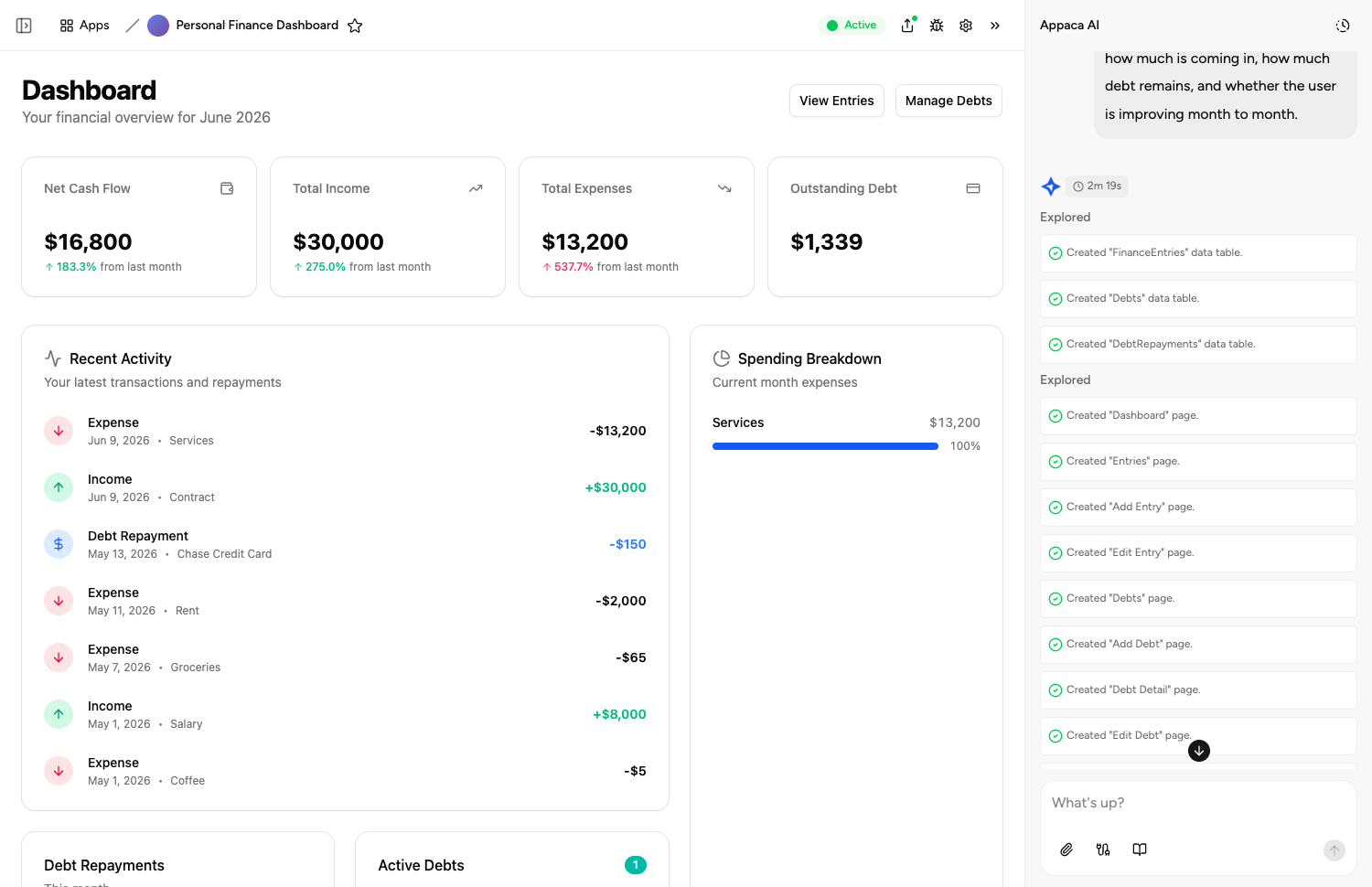
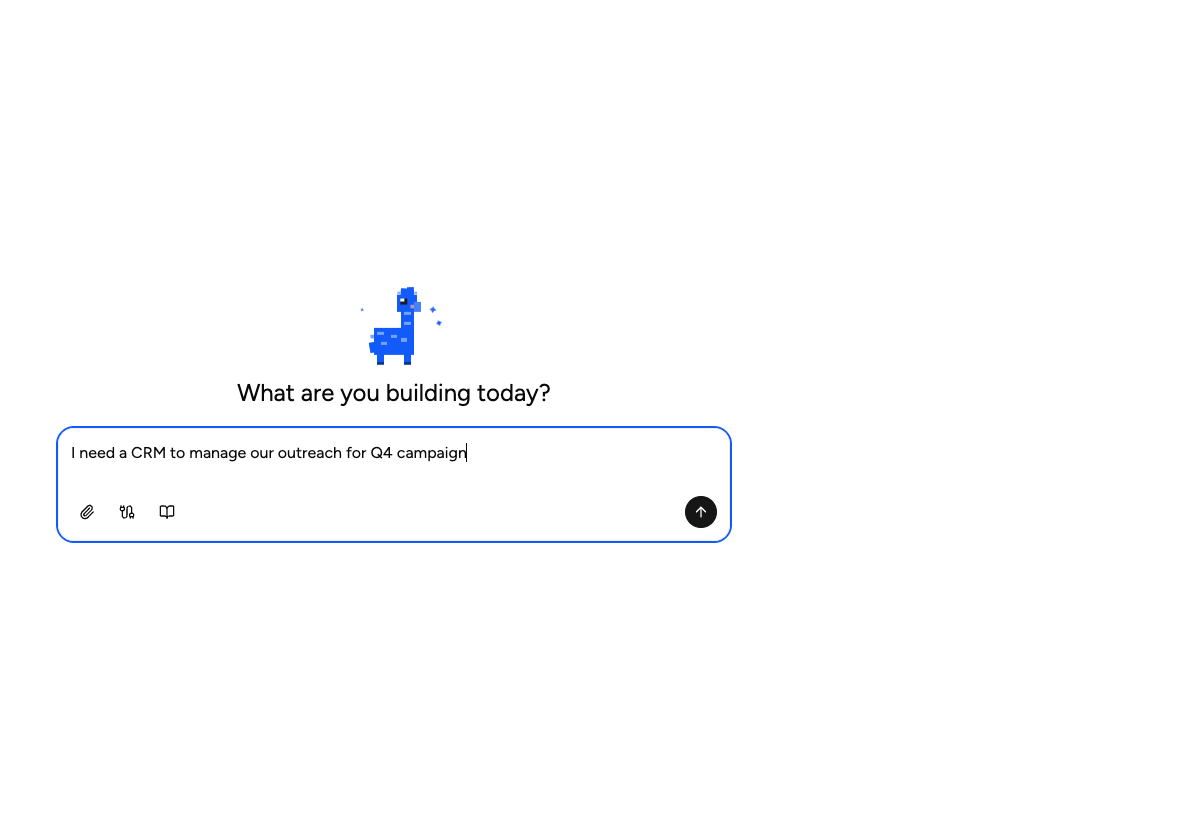
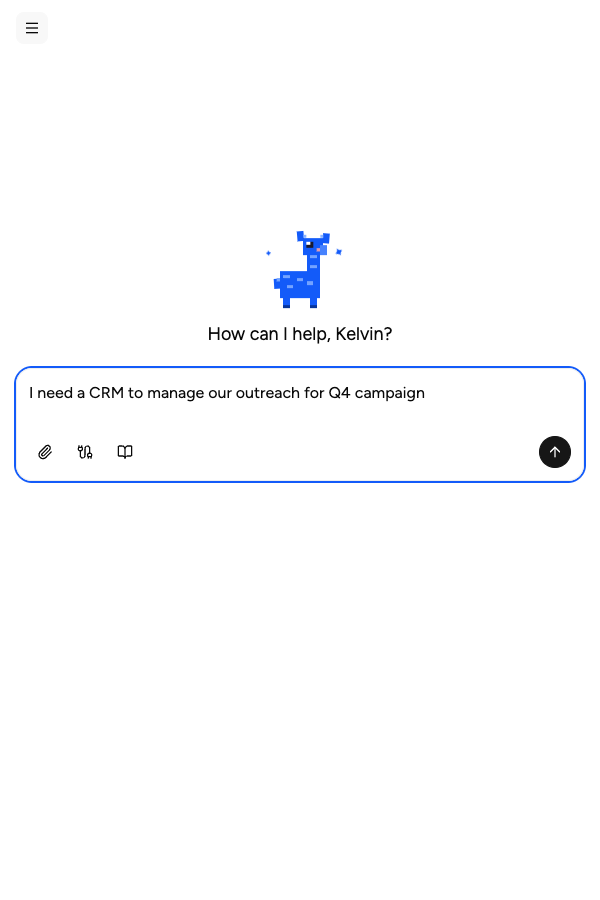
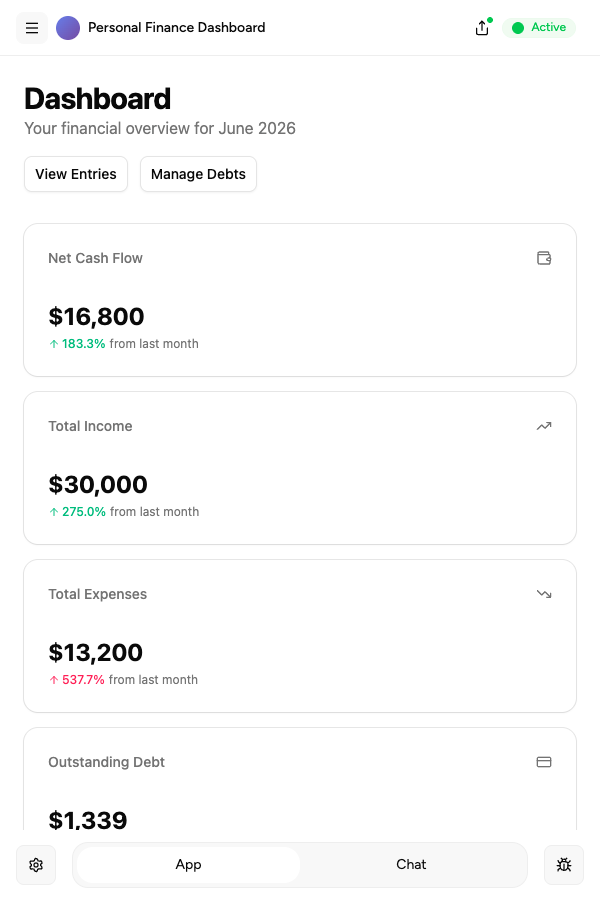
Tell the Appaca agent the internal tool you need and it builds a working app powered by GPT-5.6 Sol or GPT-4.1 Mini. No code, no API keys, no deployment.
Switch models without rebuilding
Start on GPT-5.6 Sol, test the same tool on GPT-4.1 Mini, and keep whichever performs better - the rest of your app stays exactly as it is.
Automated for the whole team
Schedule tools to run on autopilot - daily digests, weekly reports, real-time triggers - and share them with your whole team from one workspace.
Describe it, and it's built
Tell the Appaca agent what your team needs and it builds a working app powered by GPT-5.6 Sol or GPT-4.1 Mini - connected to the tools you already use.





Related comparisons
See how GPT-5.6 Sol and GPT-4.1 Mini stack up against other models in the directory.
FAQs
GPT-4.1 Mini is generally cheaper: $0.4 input / $1.6 output per million tokens, versus $5 / $30 for GPT-5.6 Sol. Actual cost depends on how many tokens your workload reads and writes.
GPT-5.6 Sol has the larger context window at 1.05M tokens, compared to 1.05M tokens for GPT-4.1 Mini. A larger window means the model can consider more text at once - useful for long contracts, codebases, or months of records.
It depends on the job. Compare the pricing, context window, and strengths above against your workload - and remember the choice isn't permanent. In Appaca you can build a tool on GPT-5.6 Sol, test the same tool on GPT-4.1 Mini, and switch at any time without rebuilding anything.
Yes. Appaca is a no-code AI workspace: describe the internal tool your team needs and the Appaca agent builds it as a working app powered by GPT-5.6 Sol, GPT-4.1 Mini, or any other model in the directory - with a built-in database, team access, and integrations. No API keys to wire up and nothing to deploy.
Build AI tools with GPT-5.6 Sol or GPT-4.1 Mini
Describe the tool your team needs and get a working app powered by the model you choose - with a built-in database, team access, and integrations. No code, no deployment.