
GPT Image 1 Mini vs Claude 4.5 Haiku
Compare pricing, context windows, and strengths for GPT Image 1 Mini by OpenAI and Claude 4.5 Haiku by Anthropic - and see how to put either to work in Appaca.
GPT Image 1 Mini
A cost-efficient, multimodal image generation model that accepts text and image inputs and produces images across multiple resolutions and quality levels.
View GPT Image 1 MiniClaude 4.5 Haiku
A fast, small model delivering near-frontier coding and computer-use performance at ultra-low cost with exceptional speed and strong safety.
View Claude 4.5 HaikuGPT Image 1 Mini vs Claude 4.5 Haiku at a glance
Specs and pricing side by side, from the Appaca AI models directory.
| Spec | GPT Image 1 Mini | Claude 4.5 Haiku |
|---|---|---|
| Provider | OpenAI | Anthropic |
| Model type | Image | Text |
| Context window | - | 200K tokens |
| Input price | $2 / 1M tokens | $1 / 1M tokens |
| Output price | - | $5 / 1M tokens |
| Image generation | From $0.005 / image | - |
| Status | Current | Current |
How GPT Image 1 Mini and Claude 4.5 Haiku differ
What the numbers mean in practice when choosing between GPT Image 1 Mini and Claude 4.5 Haiku.
-
Claude 4.5 Haiku is 50% cheaper on input tokens ($1 vs $2 per million), which adds up quickly in document-heavy workloads.
-
These are different kinds of model: GPT Image 1 Mini is an image model while Claude 4.5 Haiku is a text model, so they often complement each other in a workflow rather than compete.
Strengths side by side
Where each model shines, according to benchmarks and provider positioning.
GPT Image 1 Mini
1. Cost-Efficient Image Generation
- A budget-friendly version of GPT Image 1 designed for high-volume or cost-sensitive workflows.
- Offers strong visual generation quality at significantly reduced per-image prices.
2. Natively Multimodal Architecture
- Accepts both text and image inputs, enabling:
- Image-to-image transformations
- Visual editing based on reference photos
- Enhanced control via mixed inputs
- Outputs high-quality images aligned with the prompt or reference.
3. Flexible Resolution & Quality Options
- Supports three quality tiers (Low, Medium, High).
- Available in multiple resolutions:
- 1024x1024
- 1024x1536
- 1536x1024
- Allows users to choose between affordability and visual detail.
4. Practical for Real-World Applications Ideal for:
- Marketing visuals
- UI/UX mockups
- Concept art
- Prototyping & brainstorming
- Lightweight creative tools within SaaS platforms
5. Broad API Integration Works across all major endpoints:
- Chat Completions
- Responses
- Realtime
- Assistants
- Image generation & image edits
- Batch and embedding pipelines for more complex workflows.
6. Streamlined Feature Set for Simplicity
- No streaming, function calling, structured output, or fine-tuning.
- Focused exclusively on reliable, easy-to-use image generation.
7. Snapshot Support for Consistency
- Supports stable snapshots so developers can lock behavior and ensure reproducible outputs across deployments.
Claude 4.5 Haiku
1. Frontier-level coding at small-model speed
- Similar coding performance to Claude Sonnet 4 at one-third the cost.
- Runs 4-5x faster than Sonnet 4.5 for many tasks.
- Ideal for real-time pair programming, prototyping, and rapid iteration.
2. Excellent computer-use abilities
- Surpasses Claude Sonnet 4 in certain computer-control tasks.
- Great for agents requiring low-latency tool use (Chrome automation, coding agents, etc.).
3. Perfect for real-time, low-latency applications
- Chat assistants
- Customer support agents
- Interactive development loops
- Multi-agent orchestration
4. Works seamlessly with Sonnet 4.5 in hybrid agent setups
- Sonnet 4.5 plans complex workflows.
- Haiku 4.5 executes subtasks in parallel for speed and cost-efficiency.
5. High alignment & safest Claude model by metric
- Lower misaligned behavior rates than Haiku 3.5, Sonnet 4.5, and Opus 4.1.
- Limited CBRN risk → released under AI Safety Level 2 (ASL-2).
Use GPT Image 1 Mini or Claude 4.5 Haiku - or both
Appaca is the AI workspace for operators. Build internal tools and AI co-workers powered by GPT Image 1 Mini or Claude 4.5 Haiku - connected to your real data and ready for your whole team. No code, no deployment.
Describe it, and it's built
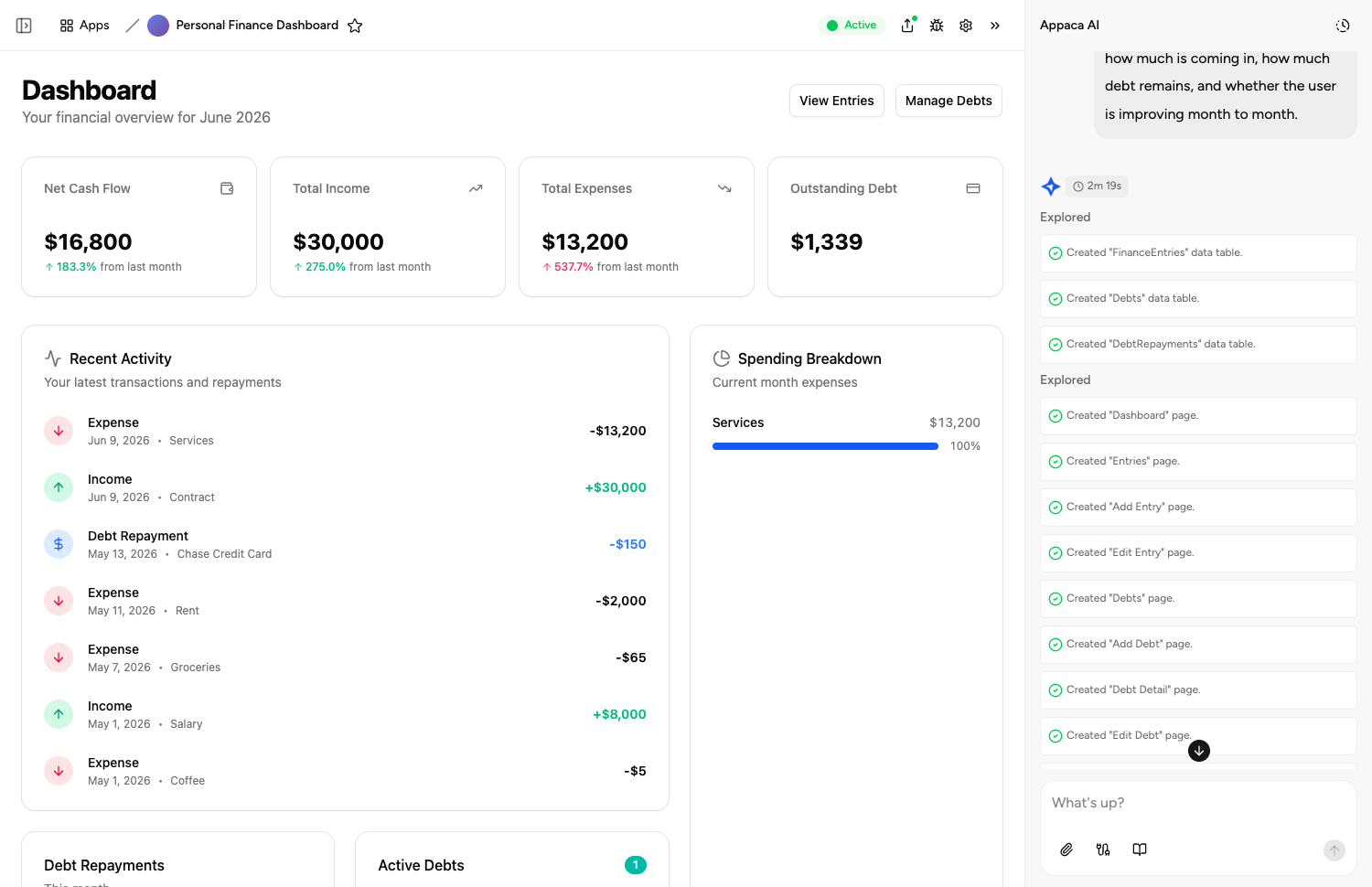
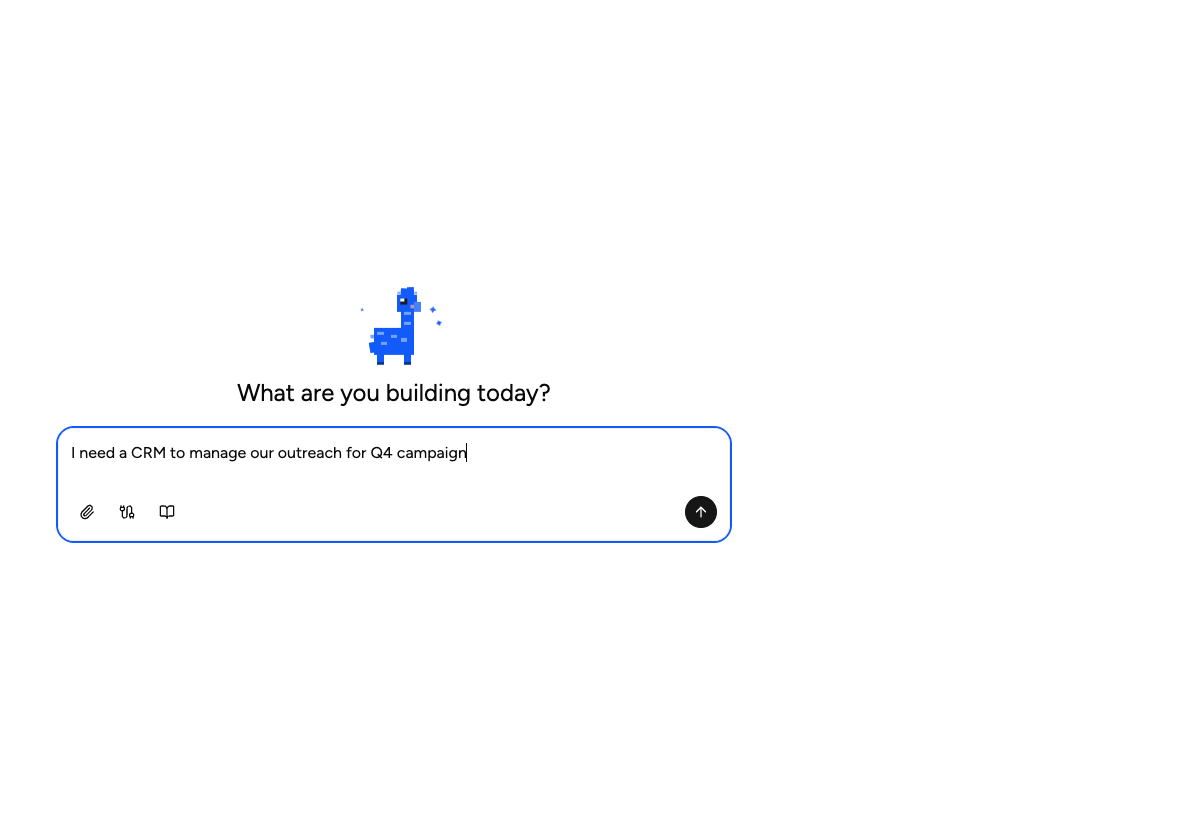
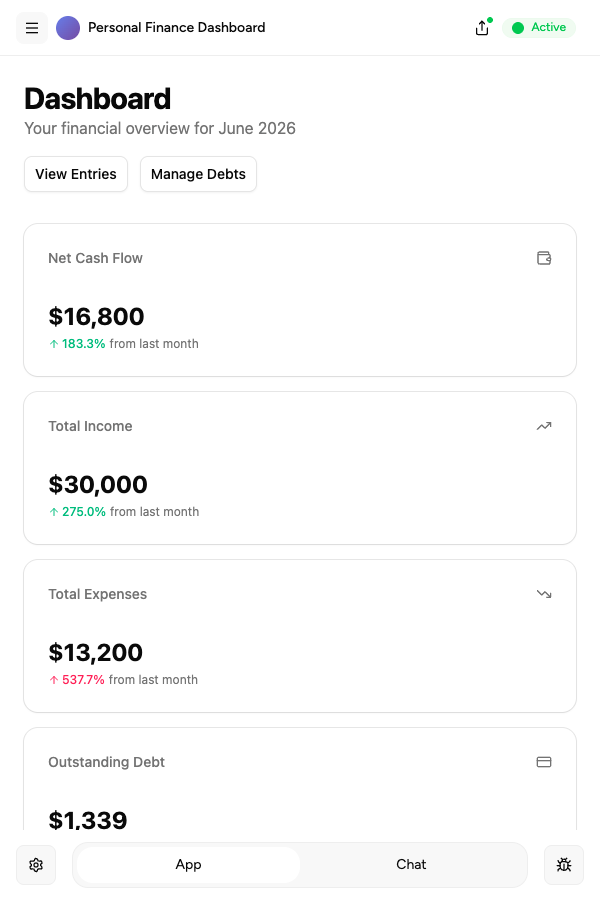
Tell the Appaca agent the internal tool you need and it builds a working app powered by GPT Image 1 Mini or Claude 4.5 Haiku. No code, no API keys, no deployment.
Switch models without rebuilding
Start on GPT Image 1 Mini, test the same tool on Claude 4.5 Haiku, and keep whichever performs better - the rest of your app stays exactly as it is.
Automated for the whole team
Schedule tools to run on autopilot - daily digests, weekly reports, real-time triggers - and share them with your whole team from one workspace.
Describe it, and it's built
Tell the Appaca agent what your team needs and it builds a working app powered by GPT Image 1 Mini or Claude 4.5 Haiku - connected to the tools you already use.





Related comparisons
See how GPT Image 1 Mini and Claude 4.5 Haiku stack up against other models in the directory.
FAQs
Pricing models differ: see the full GPT Image 1 Mini and Claude 4.5 Haiku pages in the Appaca AI models directory for current pricing details.
Context window data is listed on each model's page in the Appaca AI models directory.
It depends on the job. Compare the pricing, context window, and strengths above against your workload - and remember the choice isn't permanent. In Appaca you can build a tool on GPT Image 1 Mini, test the same tool on Claude 4.5 Haiku, and switch at any time without rebuilding anything.
Yes. Appaca is a no-code AI workspace: describe the internal tool your team needs and the Appaca agent builds it as a working app powered by GPT Image 1 Mini, Claude 4.5 Haiku, or any other model in the directory - with a built-in database, team access, and integrations. No API keys to wire up and nothing to deploy.
Build AI tools with GPT Image 1 Mini or Claude 4.5 Haiku
Describe the tool your team needs and get a working app powered by the model you choose - with a built-in database, team access, and integrations. No code, no deployment.