
Best AI Models for Summarisation
Effective summarisation requires more than shortening text - it demands identifying what is genuinely important, preserving key nuance, and structuring the output for its intended use. For long documents, large context windows are essential: models that truncate input or hallucinate information they did not actually process are actively counterproductive.
Top AI models for Summarisation
Ranked by real-world performance on summarisation tasks - pricing, context windows, and strengths for each.
Claude 4 Opus
text 200K tokens contextThe flagship model, focused on deep reasoning, large-scale coding and sustained multi-step agentic workflows.
GPT-5.5
text 1M tokens contextOpenAI's smartest and most capable model yet for agentic coding, knowledge work, and computer use, delivering a new class of intelligence at GPT-5.4 latency.
GPT-5.4
text 1.1M tokens contextOpenAI's frontier model for complex professional work with best intelligence at scale for agentic, coding, and professional workflows.
Claude 4 Sonnet
text 1M tokens contextA balanced-hybrid reasoning model tuned for everyday assistant and high-volume tasks.
Evaluation criteria for Summarisation
The four factors that matter most when choosing an AI model for summarisation tasks.
Accuracy and completeness of key information
Context window size for long document handling
Structured output formats (bullets, sections)
Reduction ratio without information loss
Compare top Summarisation models
Side-by-side pricing, specs, and strengths for every pair of top summarisation models.
GPT-5.5 vs Claude 4 Opus
OpenAI vs Anthropic for summarisation - pricing, context windows, and strengths compared.
See the comparisonGPT-5.4 vs Claude 4 Opus
OpenAI vs Anthropic for summarisation - pricing, context windows, and strengths compared.
See the comparisonClaude 4 Sonnet vs Claude 4 Opus
Anthropic vs Anthropic for summarisation - pricing, context windows, and strengths compared.
See the comparisonGPT-5.5 vs GPT-5.4
OpenAI vs OpenAI for summarisation - pricing, context windows, and strengths compared.
See the comparisonGPT-5.5 vs Claude 4 Sonnet
OpenAI vs Anthropic for summarisation - pricing, context windows, and strengths compared.
See the comparisonGPT-5.4 vs Claude 4 Sonnet
OpenAI vs Anthropic for summarisation - pricing, context windows, and strengths compared.
See the comparisonBuild Summarisation tools with the right model
Appaca is the AI workspace for operators. Build internal tools and AI co-workers powered by any of these models - connected to your real data and ready for your whole team. No code, no deployment.
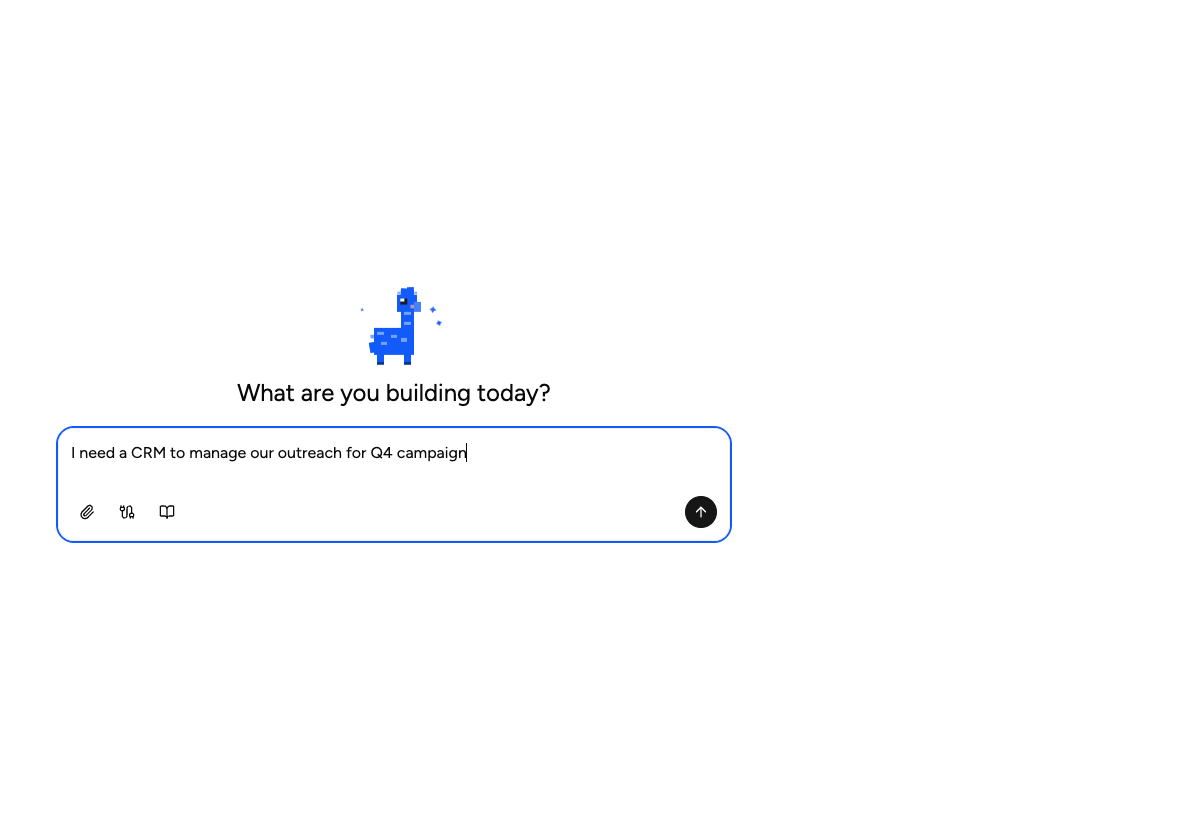
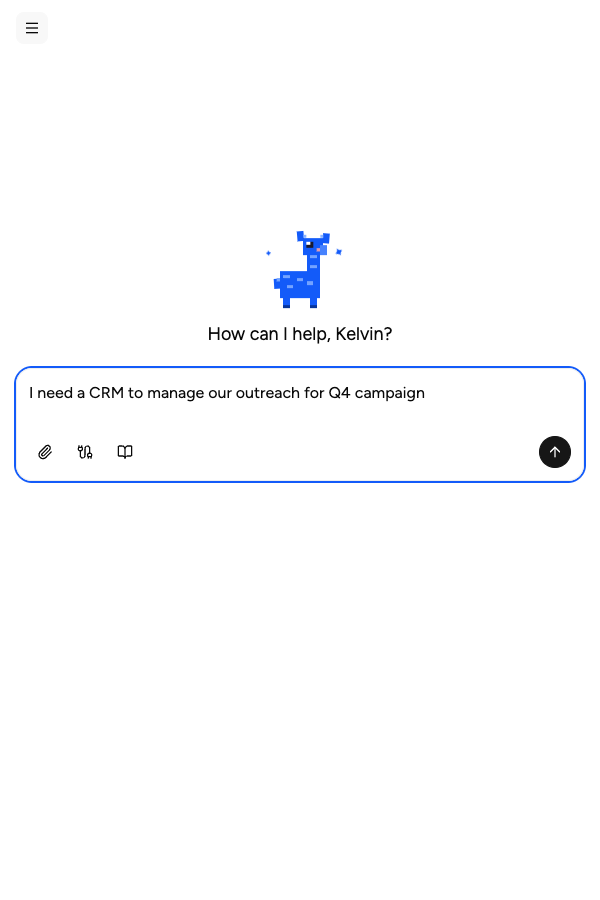
Build summarisation tools instantly
Tell the Appaca agent the internal tool you need and it builds a working app powered by the model you choose for summarisation. No code, no API keys, no deployment.
Connected to your real data
Connect Slack, Notion, Google Sheets, Airtable, and more, plus a built-in database - so your AI tools work with your team's real context instead of generic answers.
Automated for the whole team
Schedule tools to run on autopilot - daily digests, weekly reports, real-time triggers - and share them with your whole team from one workspace.
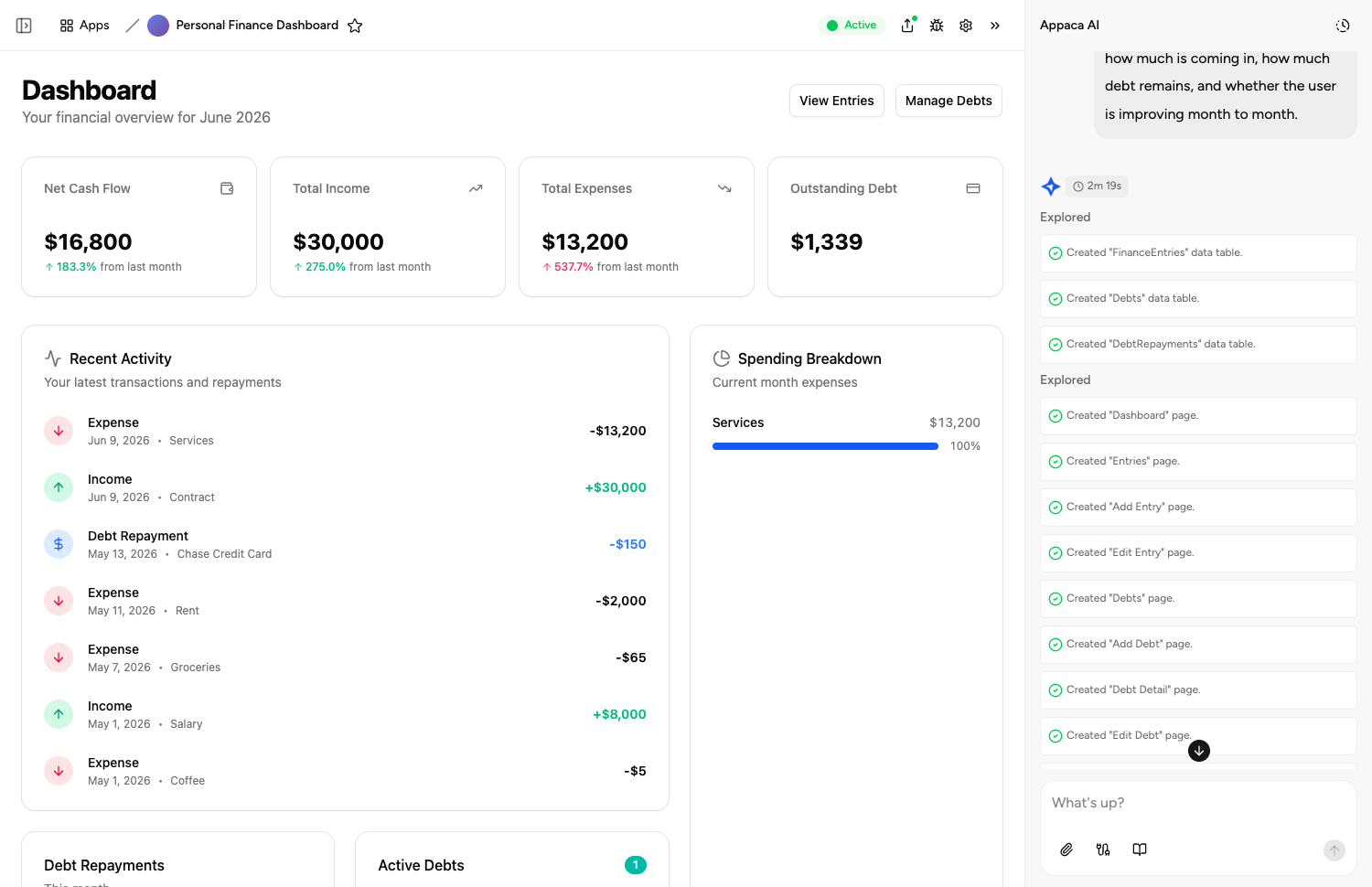
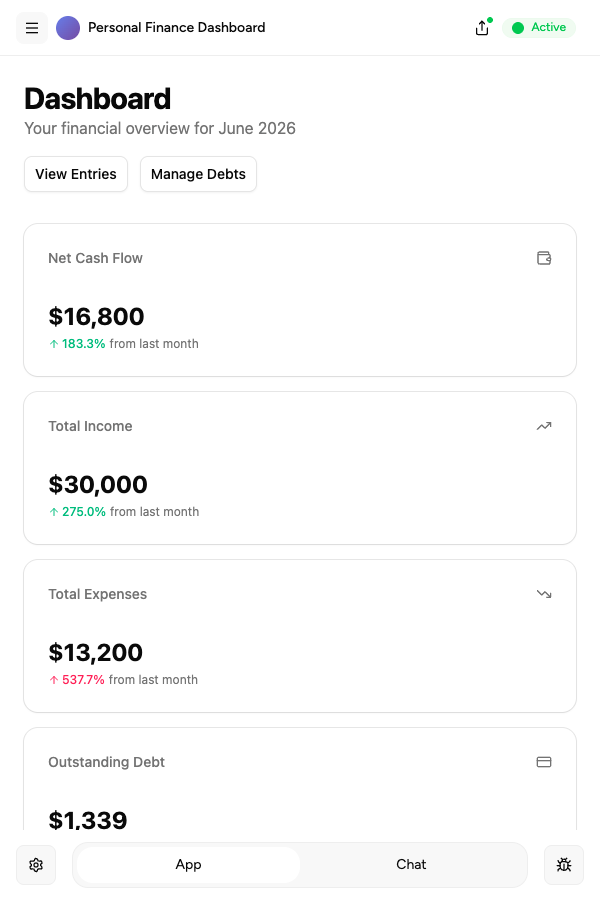
Describe it, and it's built
Tell the Appaca agent what your team needs and it builds a working app powered by the model you choose - connected to the tools you already use.





Explore more use cases
Top-ranked AI models for other common business tasks.
FAQs
Gemini 2.5 Pro and Claude 4 Opus are the top summarisation LLMs in 2026. Gemini 2.5 Pro handles the longest documents thanks to its 1M token context window, making it ideal for lengthy reports, legal documents, and multi-chapter texts. Claude 4 Opus produces the highest-quality summaries for complex documents where nuance and accuracy matter most.
Yes, with a large enough context window. Gemini 2.5 Pro and Claude 4 Opus can ingest a 100-page document (roughly 75,000-100,000 tokens) in a single pass. Shorter-context models require chunking and hierarchical summarisation, which risks losing connections between sections. For the most accurate summaries of long documents, use a model with at least 200K token context.
Both Gemini 2.5 Pro and Claude 4 Opus offer 1M token context windows - equivalent to roughly 750,000 words or about 1,500 pages. For standard summarisation tasks up to 50 pages, GPT-5.5 (128K context) and Claude 4 Sonnet (200K context) are also excellent choices with faster processing times.
Claude 4 Sonnet is the best choice for meeting and call summarisation. It produces natural, easy-to-read summaries that capture key decisions, action items, and tone - while filtering out filler and tangential conversation. GPT-5.4 is also strong and tends to produce more structured summaries with clear action item formatting.
Build a document summarisation pipeline on Appaca: connect your document source (email, cloud storage, CRM), configure your summarisation prompt (length, format, focus areas), and route outputs to your team's preferred channel. For document collections, batch-process with Gemini 2.5 Flash for cost efficiency, reserving premium models for high-priority documents.
Build AI tools for Summarisation
Describe the summarisation tool your team needs and get a working app powered by the right model - with a built-in database, team access, and integrations. No code, no deployment.
- 7-day trial
- No credit card
- Cancel anytime