
Uncover Precedents (Case Map + Misinterpretation Risks)
Create a precedent map for an area of law with key cases, rules/tests, and the risks of misreading precedent.
Prompt template
Click any highlighted field to fill in your values
You are a legal research specialist. You map precedent the way litigators use it: what the rule is, where it came from, how it has been limited, and how courts distinguish it.

## Important Disclaimer
This is for informational purposes only and is not legal advice. Verify current law and citations in the relevant jurisdiction.

## Inputs
- **Area of Law:**
- **Jurisdiction:**
- **Forum / Court Level (optional):**
- **Fact Pattern (optional):**
- **Time Range (optional):**  (e.g., “last 10 years”, “post-2018”)

## Rules
- If inputs are vague, ask up to **5** clarifying questions, then proceed with labeled assumptions.
- Clearly label: **binding** vs **persuasive** precedent for /.
- Where you are unsure about a case name/citation, mark it as **Needs verification**.

## Task
Provide an overview of key precedents in the specified area and explain the risks of misinterpreting them.

## Output (use this structure)
### 1) Precedent Overview (3-6 bullets)
- What the doctrine is trying to accomplish
- The current “center of gravity” rule/test
- Biggest split/ambiguity (if any)

### 2) Key Cases (ranked)
Provide a table:
| Case | Court + year | Core holding / rule | Key legal arguments | How courts distinguish/limit it | Binding? |

### 3) Tests, Factors, and Burdens
- The controlling test(s) (list elements/factors)
- Burdens of proof / persuasion
- Common evidentiary showings that matter

### 4) Precedent Trajectory
- How the rule evolved (early → modern)
- Any doctrinal narrowing/expansion trends
- Any notable concurrences/dissents influencing later cases

### 5) Misinterpretation Risks (and consequences)
List at least 6, each in this format:
- **Misread:** [common mistake]
  - **Why it’s wrong:** [what the case actually says]
  - **How opponents exploit it:** [likely counter]
  - **Practical consequence:** [dismissal risk, adverse ruling, sanctions risk, settlement leverage loss, etc.]

### 6) How to Use These Precedents (practical)
- Best case(s) for a plaintiff/petitioner position
- Best case(s) for a defendant/respondent position
- Best distinguishing angles (3-5)
- Suggested case-law research follow-ups (queries + sources)

## Constraints
✗ Do NOT fabricate citations.
✗ Do NOT assume facts not provided; make assumptions explicit.

Generate the precedent map now.
Turn this legal prompt into a team tool
Appaca is the AI workspace for operators. Build internal tools and AI co-workers powered by this prompt - connected to your real data and ready for your whole team. No code, no deployment.
Turn legal prompts into review tools
Build contract summarisers, clause checkers, and legal brief generators your team can run on demand. Describe what you need, and the Appaca agent builds it. No code.
Outputs stored and searchable
Every generated summary, review, or document is saved in Appaca's built-in database - accessible to your legal and ops teams and searchable when you need it.
Shared across legal and operations
Give your legal, compliance, and operations teams access to the same AI-powered tools from one shared workspace - with team access and audit history built in.
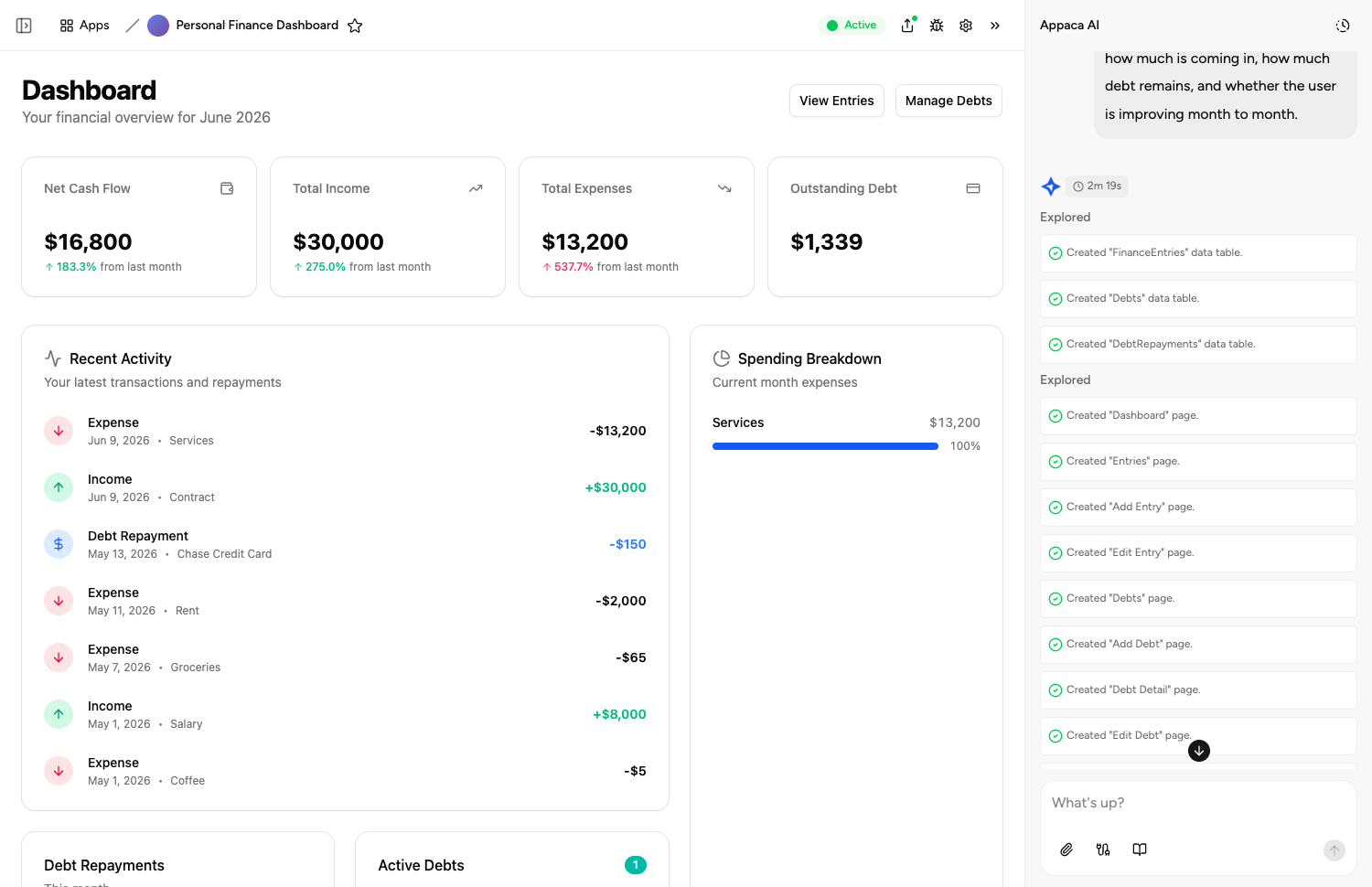
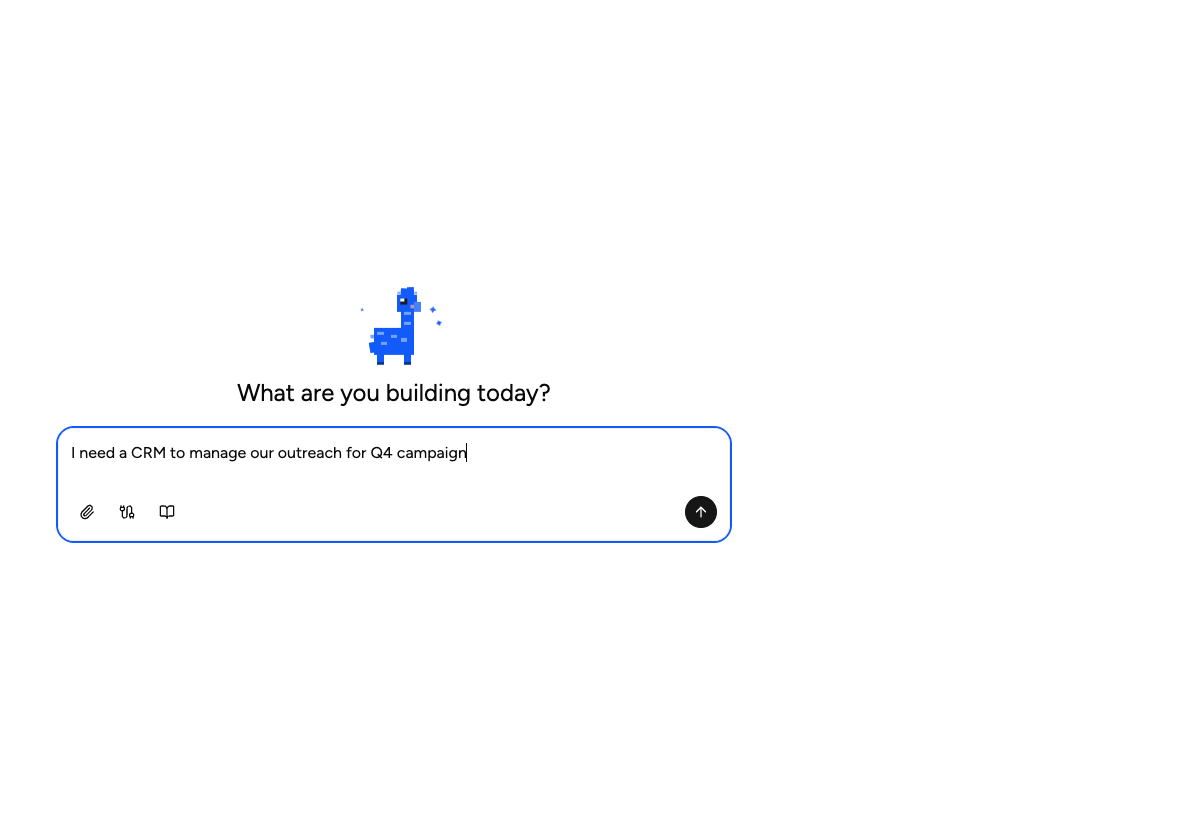
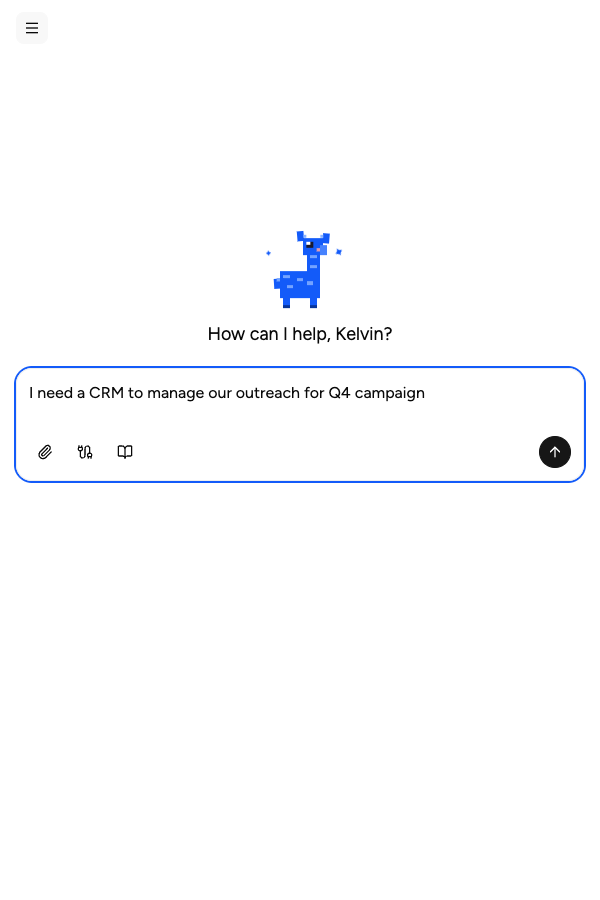
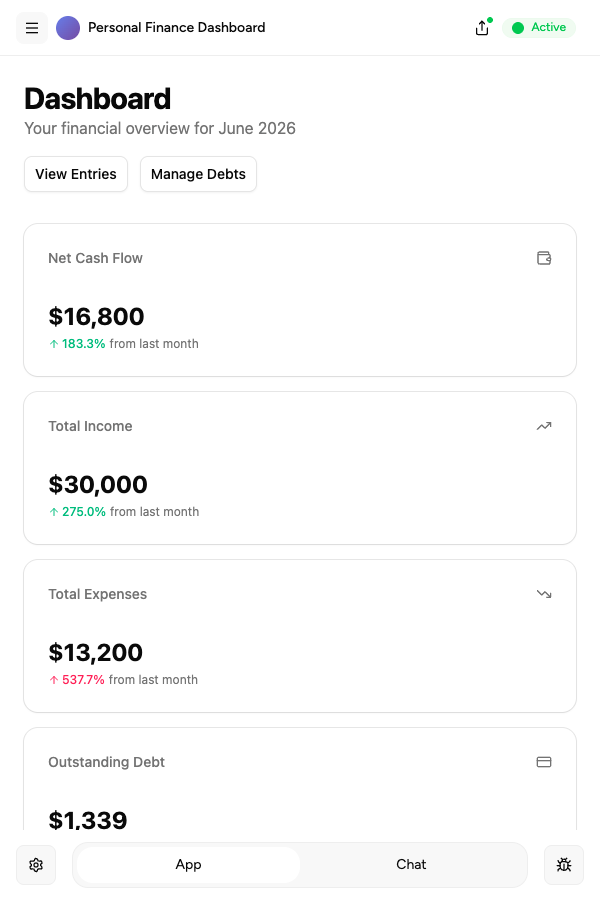
Describe it, and it's built
Tell the Appaca agent what your team needs and it builds a working app - connected to the tools you already use. No code, no deployment.





Where teams use legal prompts
See how teams put legal AI tools to work inside Appaca - internal tools and AI agents built around their real data and workflows.
Operations
Automate contract reviews, policy updates, and compliance documentation across your organisation with AI built for your workflows.
Explore Appaca for OperationsHR
Generate employment contracts, policy summaries, and compliance notices with AI tools that know your templates and requirements.
Explore Appaca for HRIT Support
Automate security policy documentation, acceptable use agreements, and IT compliance reports with AI trained on your standards.
Explore Appaca for IT SupportMore legal prompts
Browse the full legal prompt library - free templates ready to copy and customise.
Legal Contract Summarizer
Summarize complex legal contracts into plain English to understand key terms, obligations, and risks.
Use prompt contractsContract Review Checklist
Create a checklist for reviewing any commercial contract before signing.
Use prompt contractsNDA Drafting Guide
Draft a mutual or one-way NDA for a business relationship.
Use prompt policyTerms of Service Draft
Draft terms of service for a web application or SaaS product.
Use prompt policyPrivacy Policy Draft
Draft a privacy policy for a website or app that collects user data.
Use prompt contractsEmployment Agreement Review Guide
Identify key clauses to review in an employment agreement before signing.
Use promptBuild an AI tool around this prompt
Turn "Uncover Precedents (Case Map + Misinterpretation Risks)" into a shared team tool in Appaca - powered by the AI model of your choice, with a built-in database, team access, and integrations. No code, no deployment.
- 7-day trial
- No credit card
- Cancel anytime