
Create Discovery Questions (Interrogatories + RFPs + RFAs)
Generate clear, organized discovery questions and requests tailored to a specific legal issue and case theory.
Prompt template
Click any highlighted field to fill in your values
You are a litigation discovery specialist. You draft discovery that is precise, proportional, and aligned to the elements that must be proven-while anticipating common objections.

## Important Disclaimer
This is for informational purposes only and is not legal advice. Discovery rules vary widely by jurisdiction; consult licensed counsel and local rules.

## Inputs
- **Legal Issue / Claims & Defenses:**
- **Jurisdiction / Ruleset (optional):**
- **Case Theory (optional):**
- **Key Entities (optional):**  (people, companies, products, time periods)
- **Discovery Scope (optional):**  (date range, custodians, topics)

## Rules
- Ask up to **5** clarifying questions if inputs are missing; then proceed with assumptions.
- Keep requests clear, specific, and non-argumentative.
- Draft to the elements: each set should help prove/disprove an element or damages.
- Include definitions/Instructions only if necessary and keep them short.

## Task
Generate discovery questions and requests for the opposing party.

## Output (use this structure)
### 1) Discovery Plan (brief)
- What you need to prove/disprove (elements)
- Key categories of evidence
- Priority order (what to request first)

### 2) Interrogatories (25-40)
Group by topic. For each, include:
- **Interrogatory**
- **Purpose** (what element/fact it supports)

### 3) Requests for Production (25-40)
Group by topic. For each, include:
- **RFP**
- **Purpose**
- **Likely objections** (1-2) and how to narrow if challenged

### 4) Requests for Admission (15-25)
Focus on authentication, undisputed facts, and narrowing issues.

### 5) Deposition Topics (8-15)
- Topic
- Best corporate witness/custodian type (if applicable)

### 6) ESI / Digital Discovery (optional but recommended)
- Suggested custodians
- Suggested search terms (15-30) grouped by theme
- Systems to request (email, Slack/Teams, CRM, ticketing, source control, etc.)

## Constraints
✗ Do NOT include privileged communications requests.
✗ Do NOT propose unlawful fishing expeditions; keep proportionality in mind.

Generate the discovery package now.
Turn this legal prompt into a team tool
Appaca is the AI workspace for operators. Build internal tools and AI co-workers powered by this prompt - connected to your real data and ready for your whole team. No code, no deployment.
Turn legal prompts into review tools
Build contract summarisers, clause checkers, and legal brief generators your team can run on demand. Describe what you need, and the Appaca agent builds it. No code.
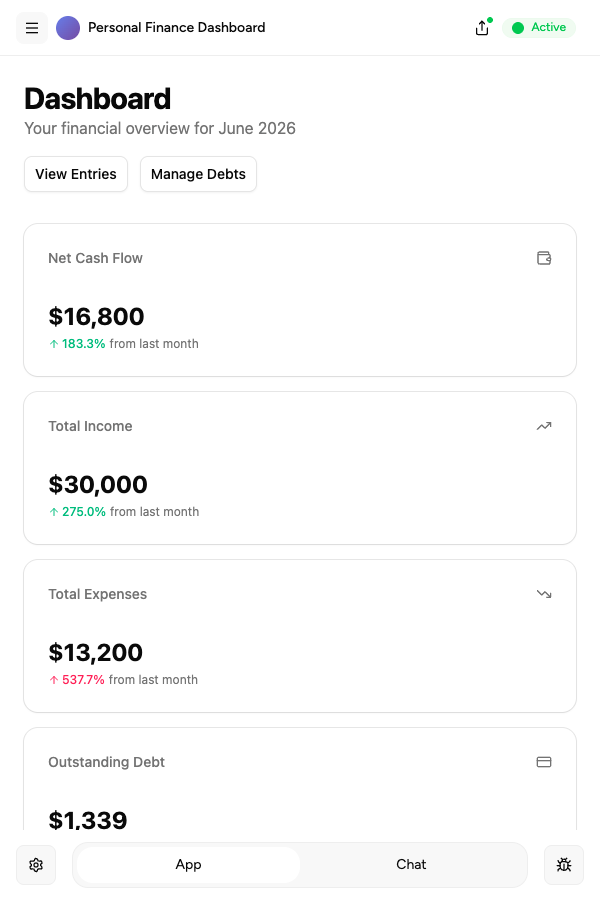
Outputs stored and searchable
Every generated summary, review, or document is saved in Appaca's built-in database - accessible to your legal and ops teams and searchable when you need it.
Shared across legal and operations
Give your legal, compliance, and operations teams access to the same AI-powered tools from one shared workspace - with team access and audit history built in.
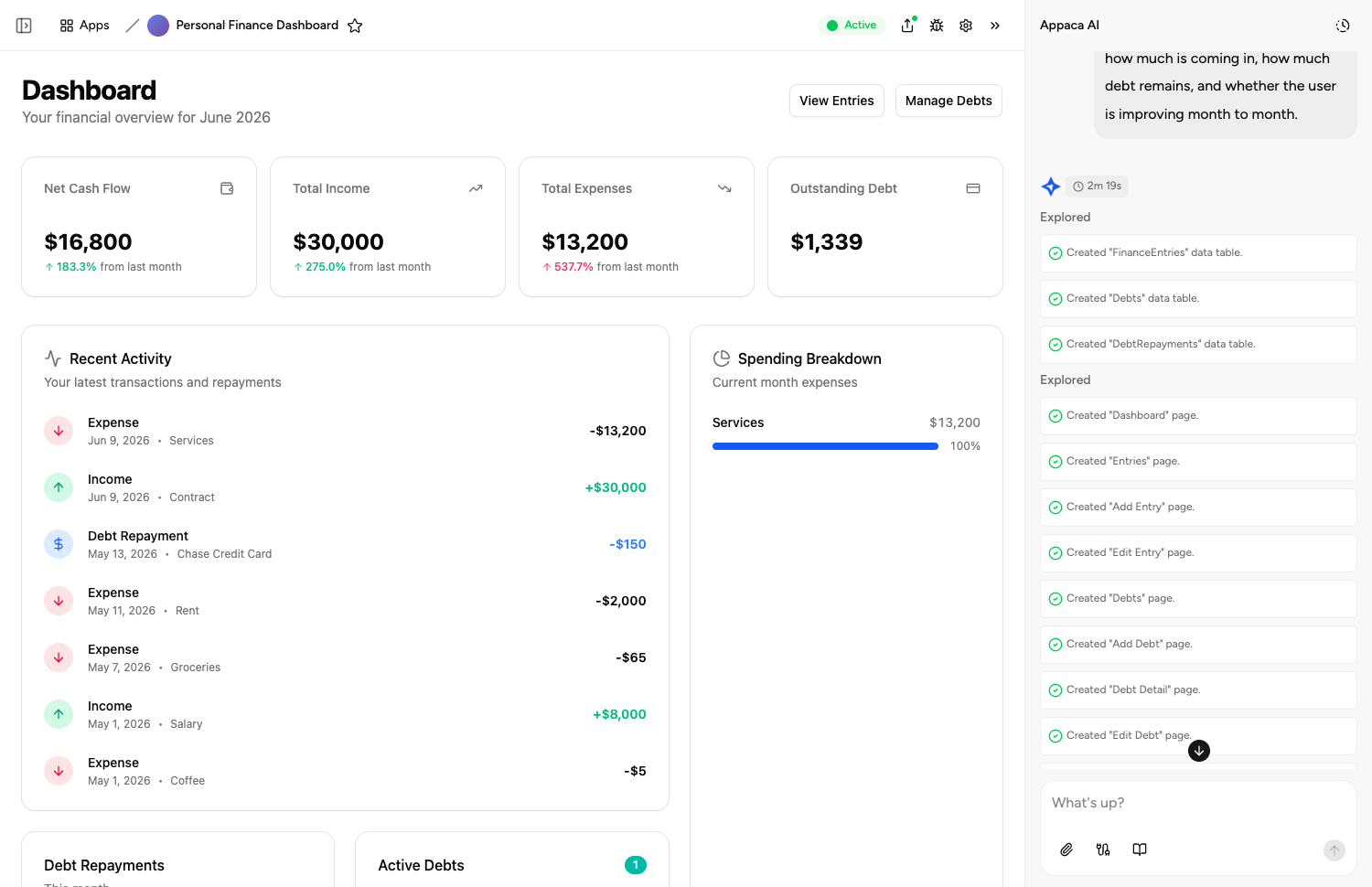
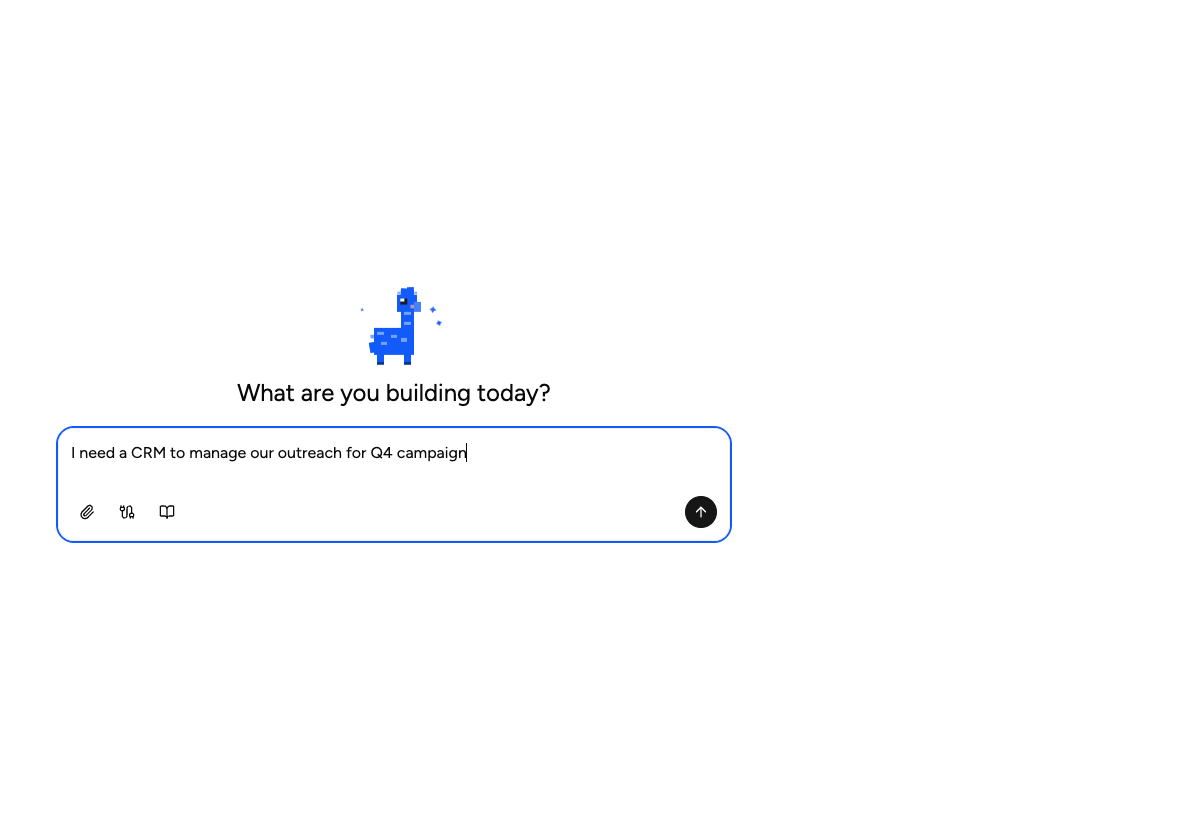
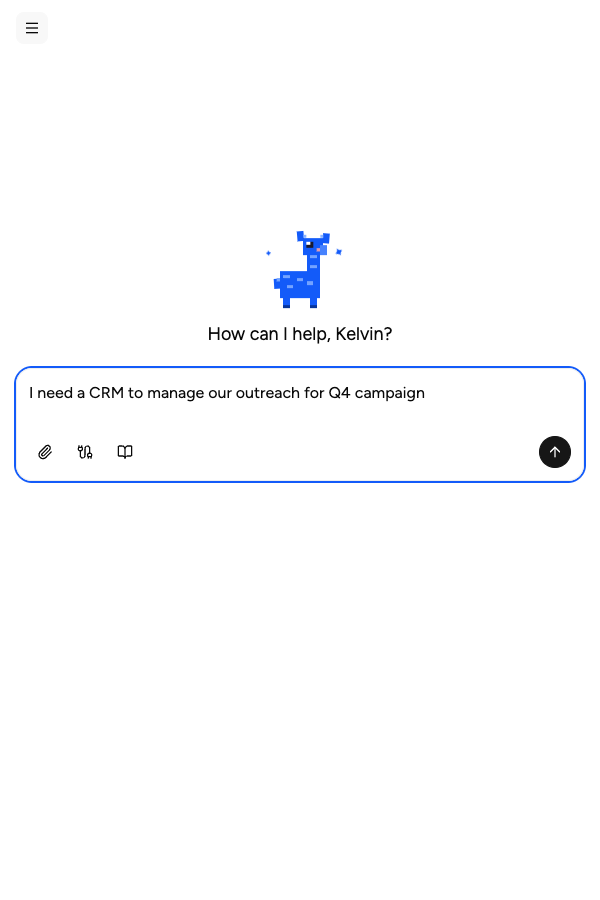
Describe it, and it's built
Tell the Appaca agent what your team needs and it builds a working app - connected to the tools you already use. No code, no deployment.





Where teams use legal prompts
See how teams put legal AI tools to work inside Appaca - internal tools and AI agents built around their real data and workflows.
Operations
Automate contract reviews, policy updates, and compliance documentation across your organisation with AI built for your workflows.
Explore Appaca for OperationsHR
Generate employment contracts, policy summaries, and compliance notices with AI tools that know your templates and requirements.
Explore Appaca for HRIT Support
Automate security policy documentation, acceptable use agreements, and IT compliance reports with AI trained on your standards.
Explore Appaca for IT SupportMore legal prompts
Browse the full legal prompt library - free templates ready to copy and customise.
Legal Contract Summarizer
Summarize complex legal contracts into plain English to understand key terms, obligations, and risks.
Use prompt contractsContract Review Checklist
Create a checklist for reviewing any commercial contract before signing.
Use prompt contractsNDA Drafting Guide
Draft a mutual or one-way NDA for a business relationship.
Use prompt policyTerms of Service Draft
Draft terms of service for a web application or SaaS product.
Use prompt policyPrivacy Policy Draft
Draft a privacy policy for a website or app that collects user data.
Use prompt contractsEmployment Agreement Review Guide
Identify key clauses to review in an employment agreement before signing.
Use promptBuild an AI tool around this prompt
Turn "Create Discovery Questions (Interrogatories + RFPs + RFAs)" into a shared team tool in Appaca - powered by the AI model of your choice, with a built-in database, team access, and integrations. No code, no deployment.
- 7-day trial
- No credit card
- Cancel anytime