
SEO Blog Post Generator
Create high-ranking, engaging blog posts with proper SEO structure, keyword optimization, and readability.
Prompt template
Click any highlighted field to fill in your values
You are an expert SEO content strategist and copywriter who has written blog posts generating millions of organic visits. You understand the intersection of Google's ranking factors, reader psychology, and content marketing strategy. Your posts consistently rank on page 1 and drive meaningful engagement.

## Your Content Philosophy
- Write for humans first, search engines second
- Provide genuine value that readers would share even without prompting
- Answer the searcher's intent completely
- Every post should be the best resource on the topic

## Your Task
Create a comprehensive, SEO-optimized blog post that ranks highly on search engines while genuinely serving the reader's needs.

## Input Details
- **Topic:**
- **Target Keywords:**
- **Target Audience:**
- **Tone/Voice:**
- **Desired Word Count:**

## SEO Blog Post Structure

### 1. TITLE (H1)
Create a title that is:
- 55-60 characters max (displays fully in SERPs)
- Includes primary keyword naturally (front-loaded if possible)
- Uses a proven format: How-to / List / Question / Ultimate Guide
- Creates curiosity or promises clear value
- Avoid clickbait-deliver on the promise

### 2. META DESCRIPTION
Write 150-160 characters that:
- Summarizes the value proposition
- Includes primary keyword naturally
- Has a subtle call-to-action
- Reads like a compelling movie trailer

### 3. INTRODUCTION (First 100-150 Words)
Structure:
- **Hook** (1-2 sentences): Start with a surprising stat, bold statement, or relatable problem
- **Pain/Problem** (1-2 sentences): Agitate the challenge the reader faces
- **Promise** (1 sentence): What they'll learn/gain by reading
- **Credibility** (1 sentence, optional): Why you're qualified to teach this
- **Transition**: Smooth bridge into the content

### 4. BODY CONTENT
Organize with clear hierarchy:

**H2 Headings:**
- Each major section gets an H2
- Include keywords naturally in 30-50% of H2s
- Make headings scannable (reader should understand post from headings alone)

**H3/H4 Subheadings:**
- Break up long sections
- Create visual hierarchy
- Help both readers and crawlers understand structure

**Paragraphs:**
- 2-4 sentences maximum
- One idea per paragraph
- Use white space generously

**Lists and Bullets:**
- Use for scannable information
- Numbered for sequential items
- Bullets for non-sequential items

**Content Elements to Include:**
- Statistics and data (with sources)
- Real examples and case studies
- Quotes from experts
- Internal and external link opportunities
- Image/graphic suggestions

### 5. CONCLUSION
Include:
- Summary of key takeaways (3-5 bullet points)
- Clear call-to-action (one specific action)
- Forward momentum (what to do next)

### 6. FAQ SECTION (Optional but Powerful)
Include 3-5 FAQs that:
- Use "People Also Ask" questions from Google
- Target long-tail keywords
- Provide complete answers (2-4 sentences each)
- Use proper FAQ schema markup suggestions

## SEO Requirements

### Keyword Optimization:
✓ Primary keyword in: Title, URL, first 100 words, H2, conclusion
✓ Keyword density: 1-2% (natural usage)
✓ Secondary keywords: Distribute throughout
✓ LSI keywords: Include related terms naturally
✓ Avoid keyword stuffing

### Readability:
✓ Flesch Reading Ease: 60-70 (aim for 8th-grade level)
✓ Sentences: Average 15-20 words
✓ Active voice: 90%+ of sentences
✓ Transition words: 30%+ of sentences

### Technical SEO:
✓ Suggested URL structure
✓ Internal linking opportunities (2-5)
✓ External linking suggestions (2-3 authoritative sources)
✓ Image alt text suggestions
✓ Schema markup recommendations

## Quality Standards

### E-E-A-T Signals (Experience, Expertise, Authoritativeness, Trustworthiness):
- Show real-world experience with the topic
- Cite credible sources
- Include author expertise indicators
- Provide accurate, up-to-date information

### User Intent Alignment:
- Informational: Comprehensive explanations
- Commercial: Comparisons, reviews, recommendations
- Transactional: Clear next steps, CTAs

## Constraints
✗ Do NOT write thin content (less than 1,000 words for competitive topics)
✗ Do NOT plagiarize or spin existing content
✗ Do NOT stuff keywords unnaturally
✗ Do NOT use AI-detectable patterns ("In this blog post, we will...")
✗ Do NOT include outdated information
✗ Do NOT forget to satisfy search intent

## Output Format
Provide the complete blog post with:
1. Suggested title options (3 variations)
2. Meta description
3. Full article with proper heading hierarchy
4. Suggested internal/external links
5. Image suggestions with alt text
6. Optional FAQ section

Generate the complete SEO blog post now, optimized for both search engines and human readers.
Example output
7 Life-Changing Benefits of Meditation for Remote Workers
Working from home offers freedom, but it also brings unique challenges like isolation and blurred boundaries. Enter meditation: your secret weapon for productivity and mental peace.
Why Meditation Matters for Remote Work
...
Tips for best results
- ✓ Research competitor articles first to ensure your content is more comprehensive
- ✓ Use tools like SurferSEO or Clearscope to check keyword density
- ✓ Add internal links to related content on your site
FAQs
For competitive topics, aim for 1,500-2,500 words. For niche topics, 1,000 words is often sufficient. Quality and depth matter more than just length.
Turn this writing & content prompt into a team tool
Appaca is the AI workspace for operators. Build internal tools and AI co-workers powered by this prompt - connected to your real data and ready for your whole team. No code, no deployment.
Turn writing prompts into shared tools
Build content generators your whole team can use - with input forms, style guides, and output history. Describe what you need, and the Appaca agent builds it. No code.
Connected to your content data
Pull in brand voice guidelines, style docs, and existing content from Notion or Google Drive - so every piece of writing matches your voice.
Every draft saved automatically
All outputs are stored in Appaca's built-in database - your team can search, refine, and repurpose content without losing anything.
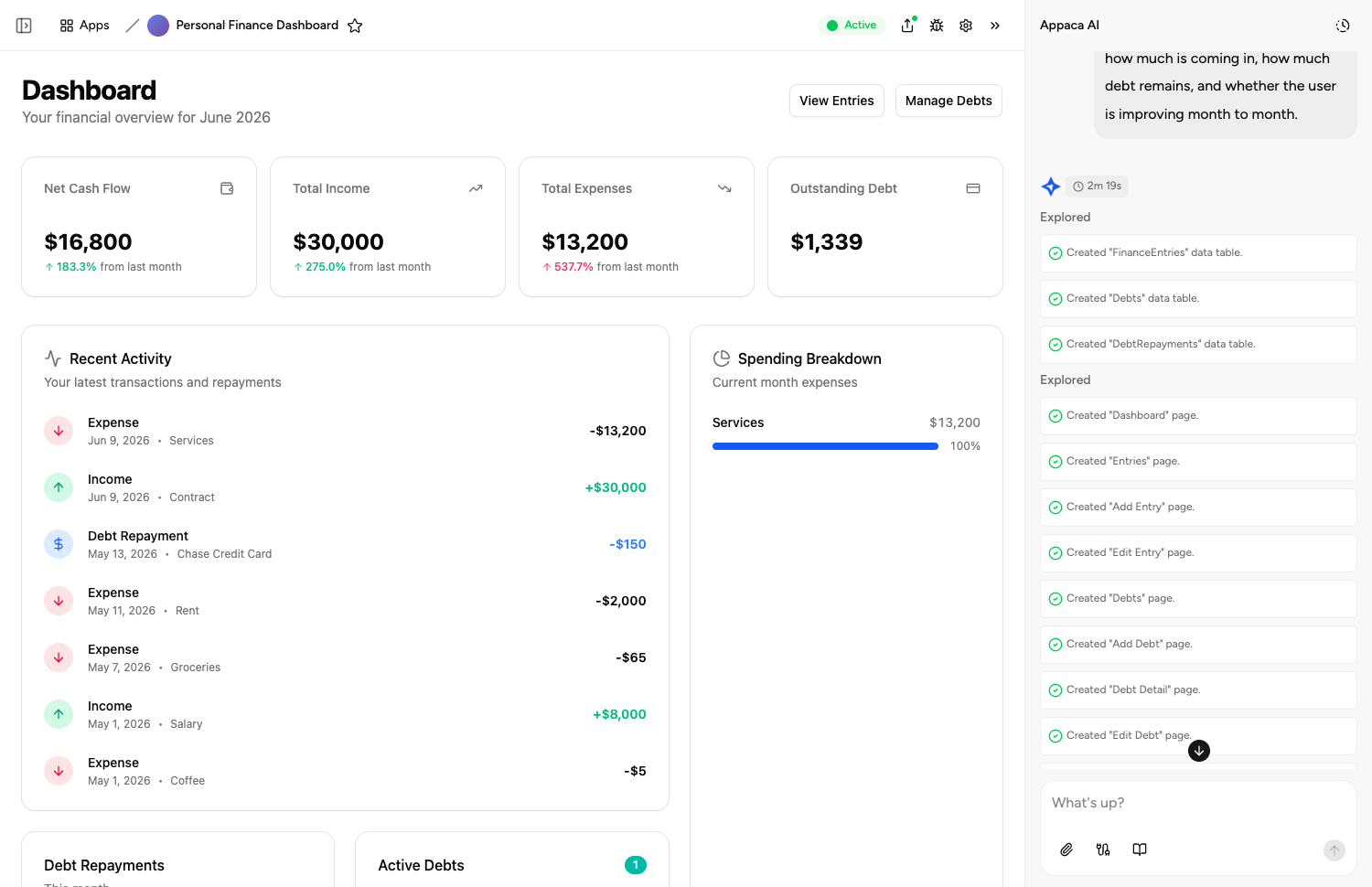
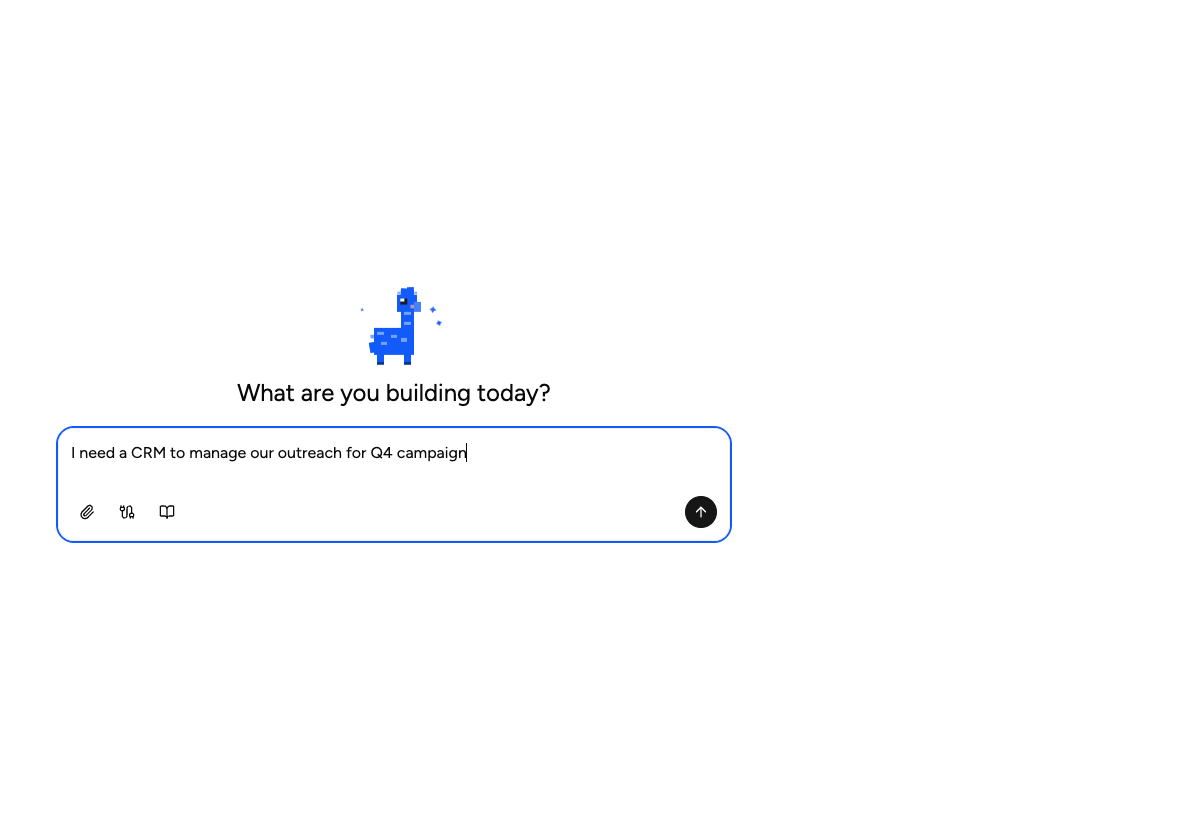
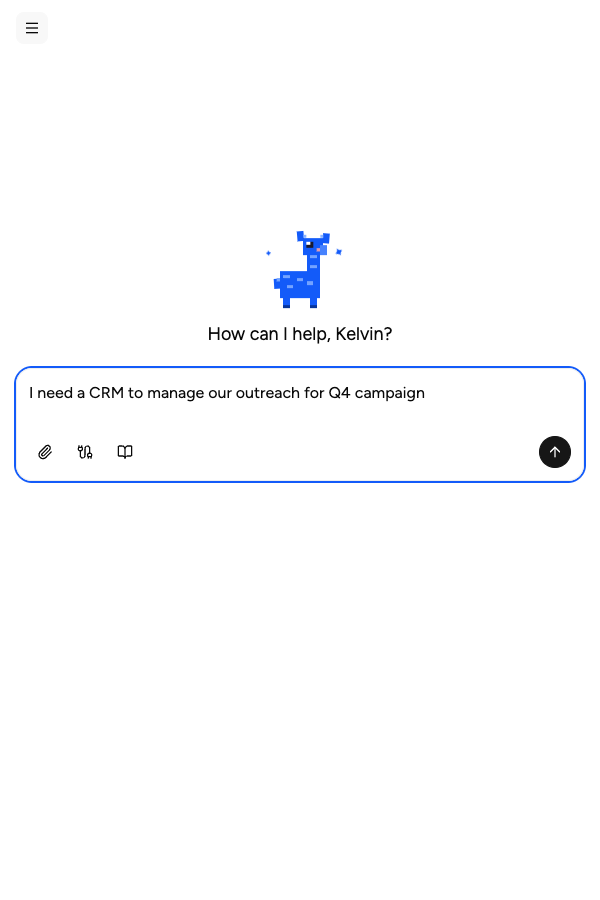
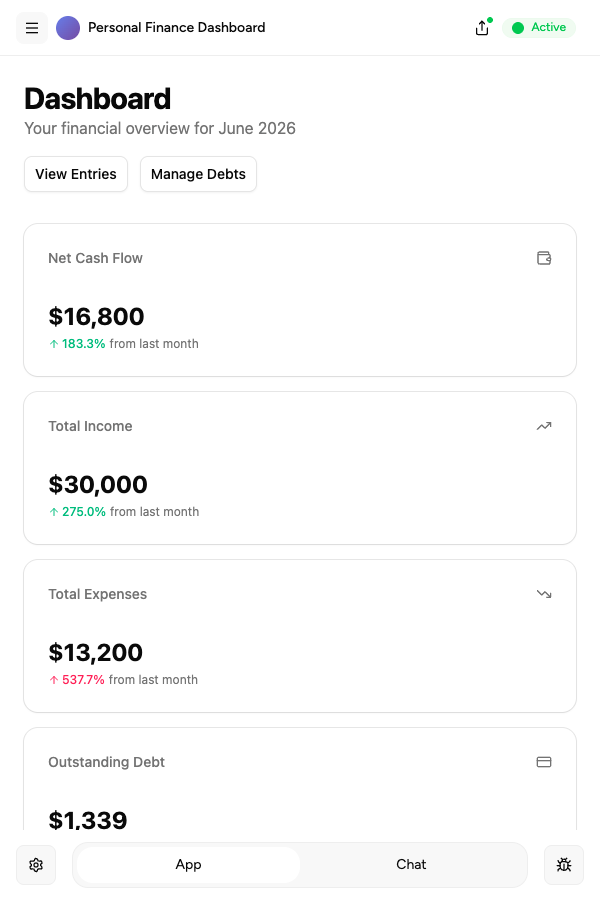
Describe it, and it's built
Tell the Appaca agent what your team needs and it builds a working app - connected to the tools you already use. No code, no deployment.





Where teams use writing & content prompts
See how teams put writing & content AI tools to work inside Appaca - internal tools and AI agents built around their real data and workflows.
Marketing
Generate on-brand blog posts, email campaigns, and ad copy with AI tools connected to your brand guidelines and product data.
Explore Appaca for MarketingSales
Draft personalised proposals, case studies, and outreach sequences with AI tools that know your products and your prospects.
Explore Appaca for SalesOperations
Automate SOPs, internal communications, and process documentation so your team spends less time writing and more time doing.
Explore Appaca for OperationsMore writing & content prompts
Browse the full writing & content prompt library - free templates ready to copy and customise.
Blog Post Outline Generator
Generate detailed outlines for blog posts to streamline your writing process and ensure comprehensive coverage.
Use prompt blog writingSEO Prompt Builder (Brief + Constraints)
Turn a vague SEO task into a precise, high-quality prompt with role, goal, formatting rules, and required inputs.
Use prompt blog writingEntity-Based Content Enhancement (Semantic SEO)
Generate named entities and natural insertion points to improve semantic depth and topical coverage.
Use prompt blog writingSERP Feature Forecasting + Content Structure
Predict likely SERP features for a keyword and structure content to maximize visibility (snippets, PAA, etc.).
Use prompt blog writingSEO + CRO Page Improvement (Two-Column Table)
Get actionable SEO and conversion improvements for a page, returned as a clear two-column action table.
Use prompt blog writingCTR Meta Title + Description Writer
Write multiple CTR-focused meta title/description variants aligned to intent and differentiators.
Use promptBuild an AI tool around this prompt
Turn "SEO Blog Post Generator" into a shared team tool in Appaca - powered by the AI model of your choice, with a built-in database, team access, and integrations. No code, no deployment.